
Heatstroke in Animals in Tunisia: Warning Signs & First Aid

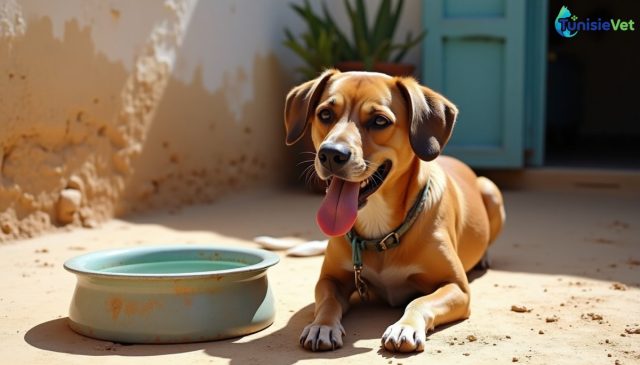
Heatstroke in animals in Tunisia is a dreaded emergency for every dog and cat owner, as well as livestock farmers, once the intense summer heat sets in. With Tunisia's hot, dry Mediterranean climate and the heatwaves that sweep across both the coast and the inland regions, every pet or farm animal faces a real risk of overheating. Knowing how to spot the early signs and act quickly can literally save a life. This practical guide brings together the essential advice for recognising, preventing and responding to heatstroke.
Recognising the signs of heatstroke in animals
The signs of heatstroke in animals often develop very quickly, which is why it's crucial to catch them at the earliest stage.
- Abnormal breathlessness and excessive panting: the dog or cat breathes rapidly and heavily, tongue hanging out, even at rest.
- Excessive drooling: heavy, sometimes thick salivation is a common warning sign.
- Lethargic behaviour: the animal becomes limp, refuses to move, and seems disoriented or unusually quiet.
- Bright red or bluish gums and tongue depending on severity, along with dry mucous membranes.
- Trembling, vomiting or loss of balance in more advanced cases.
- In livestock (cattle, sheep, poultry), watch for reduced activity, refusal to eat, rapid breathing and constant seeking of shade or water.
As soon as one or more of these symptoms appear, treat the situation as a potential emergency and act without delay.
Preventing overheating: measures suited to Tunisia's climate
Preventing heatstroke in dogs and cats in summer relies on simple but essential habits that should be adopted as soon as spring temperatures start rising.
For dogs and cats
- Never leave an animal locked in a car, even for just a few minutes.
- Schedule walks and outings for early morning or late evening, avoiding the hottest hours of the day.
- Always provide fresh water in sufficient quantity, refreshed regularly.
- Ensure permanent access to a shaded, well-ventilated area.
- Be especially watchful with brachycephalic (short-muzzled) breeds, elderly animals, overweight pets, or those with respiratory issues, as they are more vulnerable to heat stress.
For livestock and farms
Heat stress in livestock is a major concern for Tunisian farmers, with direct consequences on animal health and production.
- Ensure adequate ventilation in farm buildings, whether natural or mechanical.
- Multiply watering points to guarantee easy access to fresh water at all times.
- Provide sufficient shaded areas in pens and outdoor grazing areas.
- Adjust work schedules and animal movements to the coolest hours of the day.
- Pay particular attention to pregnant, young or weakened animals.
Emergency cooling for animals: first-aid steps that save lives
While waiting for a vet to intervene, certain first-aid steps can limit the damage and help stabilise the animal.
- Move the animal immediately to a cool, shaded, well-ventilated spot.
- Wet its body with lukewarm to cool water (never ice-cold, which can trigger thermal shock), focusing on the belly, paws and neck.
- Place a fan nearby to promote evaporation and speed up cooling.
- Offer fresh water to drink, without forcing the animal.
- Monitor how its condition evolves: breathing, alertness, and behaviour.
- Contact a vet without delay, even if the animal seems to be recovering, since internal complications can appear afterwards.
Gradual cooling is essential: cooling an animal down too abruptly can be just as dangerous as the heat itself.
Heatstroke in animals: when should you really worry?
You should be concerned as soon as an animal shows intense panting combined with unusual lethargy, heavy drooling or difficulty standing. These combined signs point to an emergency requiring immediate cooling followed by veterinary advice, without waiting for the animal's condition to worsen.
When facing Tunisia's summer heat, vigilance and anticipation remain the best allies for pet owners and farmers alike. If there's any doubt about the health of an animal exposed to intense heat, it's always best to consult a vet quickly rather than wait to see how the symptoms develop.
Need a professional opinion? If in doubt or in an emergency, find a veterinarian near you on TunisieVet.
Leave a comment
Be the first to comment on this article.

📱 عندك صفحة على فايسبوك؟ باهي… أما وين موقعك؟ الصفحة وحدها ما تكفيش. موقعك يخلي الناس تلقاك، يعرفوك أكثر ويثقو في خدمتك. 🌐 موقع باسم مشروعك 📲 يخدم أربعة وعشرين ساعة 🤝 يعطي ثقة واحترافية .📈 يعاونك تكبّر خدمتك خلّيه موجود وين الناس تلوّج عليه 🚀نعملولك موقع يشرّف مشروعك
WhatsApp