Livestock Watering in Tunisia: A Seasonal Guide to Avoid Water Stress

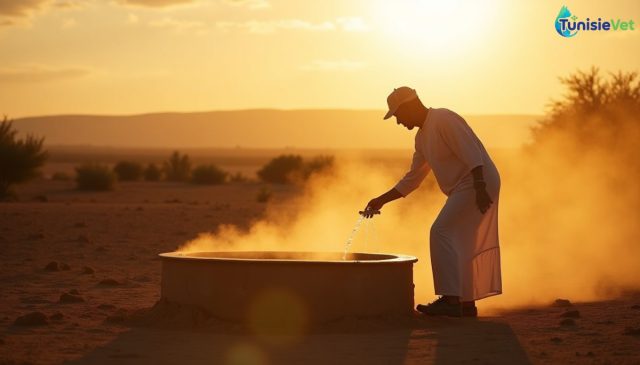
Livestock watering in Tunisia is often taken for granted, yet it directly shapes animal health, growth and productivity, especially in a climate marked by very hot, dry summers and, depending on the region, cold, damp winters. Sound water management on farms goes well beyond simply filling a trough: it means anticipating needs according to the season, the species raised and the equipment available. Here is a practical guide to adjusting watering practices all year round, without costly equipment or unnecessary complexity.
Why water is a key factor that's often underestimated
Water plays a role in almost every physiological function of an animal: digestion, body temperature regulation, milk production, growth. Even a moderate water shortfall reduces appetite, weight gain, and milk or egg output well before any visible symptoms appear. In hot weather, water requirements rise sharply because animals need to compensate for losses through breathing and sweating. Overlooking this point limits farm performance, no matter how carefully feed is managed.
Signs of insufficient hydration
- Reduced appetite and rumination in cattle and sheep
- Lower egg laying in hens and reduced feed intake
- Dry mucous membranes, less supple skin, animals lying listless during hot hours
- Noticeable drop in milk production
Seasonal calendar for managing animal hydration in hot climates
Spring: preparing facilities before the heat arrives
This is the ideal time to check the condition of water troughs, clean out tanks and spot any leaks. Take advantage of still-moderate temperatures to test the flow rate and capacity of water points: they need to be able to keep up with the rising demand that comes with summer.
Summer: the critical peak of seasonal watering
This is the most demanding season. Water needs for livestock and poultry can double compared to winter. A few essential habits to adopt:
- Increase the number of water points to avoid competition between dominant and subordinate animals
- Place troughs in the shade whenever possible to limit water warming
- Check the water supply several times a day, especially during the hottest hours
- Clean troughs regularly to prevent algae and bacteria from building up in lukewarm water
- Make sure young animals and weaker individuals can easily access water
For poultry in particular, a continuous supply of cool, fresh water is essential: a poorly watered henhouse in summer quickly sees feed intake and egg laying drop.
Autumn: transition and vigilance over water quality
Falling temperatures reduce water needs, but this is also the time when stagnant water points may have built up deposits over the summer. A thorough cleaning of tanks and pipes at the start of the season prevents these issues from carrying over into winter.
Winter: avoiding freezing and under-watering
In areas where temperatures drop low, water points can freeze, particularly in the early morning. An animal deprived of water, even temporarily, will spontaneously cut back on feed intake. Water must therefore be kept accessible and ice-free, and monitoring should not be relaxed just because heat is no longer the main concern.
Water quality for livestock: just as important as quantity
Plentiful but poor-quality water can be more harmful than a limited but clean supply. A few simple best practices:
- Regularly clean troughs, tanks and reservoirs to prevent deposits, algae and biofilm
- Avoid letting water sit stagnant for too long, especially in summer
- Protect water points from contamination by manure or soil
- Visually check the color, smell and clarity of the water being distributed
Simple watering setups: accessible solutions for every farm
There's no need to invest in sophisticated equipment to properly water your herd. A few common-sense principles are enough to build a reliable system:
- Set up multiple watering points rather than concentrating all animals around a single trough
- Choose troughs that are easy to empty and clean regularly
- Position water points in the shade or against a wall to limit temperature swings
- Adjust trough height according to species and age (young animals, poultry, larger livestock)
- Keep a backup water supply on hand in case the main source is cut off or fails
Frequently asked question: how often should water be checked in summer?
During periods of intense heat, it's recommended to check water points several times a day, notably in the morning, at midday and in the late afternoon. This makes it possible to quickly spot an empty trough, water that's too warm, or contaminated water, and to act before animals show signs of water stress.
Adapting watering practices to each season doesn't require much investment, but it does demand constant vigilance. If you notice signs of possible dehydration in an animal, or if you want to set up a watering system suited to your farm, consulting a veterinarian remains the best way to keep your herd healthy all year round.
Need a professional opinion? If in doubt or in an emergency, find a veterinarian near you on TunisieVet.
Leave a comment
Be the first to comment on this article.

📱 عندك صفحة على فايسبوك؟ باهي… أما وين موقعك؟ الصفحة وحدها ما تكفيش. موقعك يخلي الناس تلقاك، يعرفوك أكثر ويثقو في خدمتك. 🌐 موقع باسم مشروعك 📲 يخدم أربعة وعشرين ساعة 🤝 يعطي ثقة واحترافية .📈 يعاونك تكبّر خدمتك خلّيه موجود وين الناس تلوّج عليه 🚀نعملولك موقع يشرّف مشروعك
WhatsApp