
Livestock External Parasites in Tunisia: Signs and Solutions

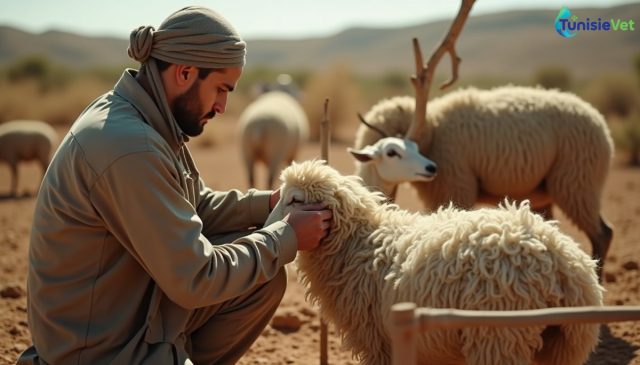
Livestock external parasites in Tunisia affect cattle, sheep and goats every year, especially during seasonal shifts when heat and humidity encourage their spread. Ticks, fleas, mange mites and the larvae responsible for myiasis weaken animals, reduce milk and meat production, and can transmit more serious diseases. Learning to spot them early and knowing which prevention methods suit the country's Mediterranean and semi-arid climate can save farmers from significant losses.
Identifying the main external parasites in livestock
Correct identification is the first step before any treatment. Each parasite leaves distinctive signs that an attentive farmer can spot during regular flock or herd inspections.
Ticks on sheep and goats
Ticks on sheep and goats tend to settle around the ears, under the tail, in the groin area, or between the hooves. They appear as small swollen bodies, grey or brownish, firmly attached to the skin. A heavily infested animal will scratch frequently, lose patches of hair, and may develop anaemia if the infestation is severe.
Sheep and goat mange
Mange shows up as intense itching, thick crusts, hair or wool loss, and thickened skin in affected areas such as the head, ears and back. Affected animals rub themselves against fences or walls, a telltale sign worth watching for.
Fleas and lice
Less visible than ticks, fleas and lice cause a dull coat, widespread irritation, and constant restlessness in the animal, which is often most noticeable during brushing or shearing.
Myiasis in cattle during hot weather
Myiasis in cattle during hot weather occurs when flies lay their eggs on wounds or on moist or soiled areas of the animal's body. The hatching larvae burrow into the flesh, creating an oozing, foul-smelling wound that worsens quickly if left untreated. This is a health emergency that should never be ignored, particularly during periods of intense heat.
Natural prevention of external parasites in farming
Natural parasite prevention on the farm relies first and foremost on hygiene and vigilance, well before any treatment is considered.
- Inspect the herd or flock regularly, especially during seasonal changes and after grazing in scrubby areas.
- Keep buildings clean, dry and well-ventilated: damp bedding encourages fleas and mange.
- Avoid overcrowding in pens, which makes it easier for parasites to spread between animals.
- Isolate any newly acquired or suspect animal before introducing it to the herd.
- Clean and disinfect shelters, feeders and water points on a regular basis.
- Shear or brush long-haired animals to reduce areas where parasites can thrive.
- Treat any wound or injury promptly to prevent myiasis from taking hold.
Some Tunisian farmers supplement these measures with traditional practices, such as using local plants known for their repellent properties or vegetable oil-based preparations applied to the coat. These methods can offer additional comfort, but they are no substitute for a veterinary diagnosis and treatment once an infestation is confirmed.
Treating mange without relying solely on chemicals
Treating mange without chemicals is of growing interest to farmers keen to limit residues in milk and meat, as well as parasite resistance. A few simple principles can support recovery:
- Isolate the affected animal to prevent the rest of the herd or flock from becoming contaminated.
- Gently clean crusted areas to help the skin breathe.
- Improve the animal's diet to strengthen its natural defences.
- Thoroughly disinfect the environment (bedding, pens, handling equipment), as mange mites can survive away from the host.
- Have the diagnosis confirmed by a veterinarian, since mange may require specific treatment depending on its severity and type.
Cutting back on the routine use of chemical treatments doesn't mean ruling them out altogether: in severe cases, an antiparasitic prescribed by a professional remains essential to prevent the spread of disease and animal suffering.
When should you call a vet for external parasites?
It's advisable to seek veterinary advice as soon as an infestation affects several animals, wounds appear, or the herd's overall condition declines (weight loss, reduced production, lethargy). A veterinarian can confirm which parasite is involved and recommend a suitable treatment plan, combining natural solutions with targeted treatments when needed.
Regular monitoring, strict hygiene in farm buildings, and a quick response at the first signs remain the Tunisian farmer's best allies against external parasites. If in doubt about identifying or assessing the severity of an infestation, don't hesitate to consult a veterinarian to protect the health of your herd.
Need a professional opinion? If in doubt or in an emergency, find a veterinarian near you on TunisieVet.
Leave a comment
Be the first to comment on this article.
