
Toxic Foods for Dogs and Cats: The Urgent List to Know
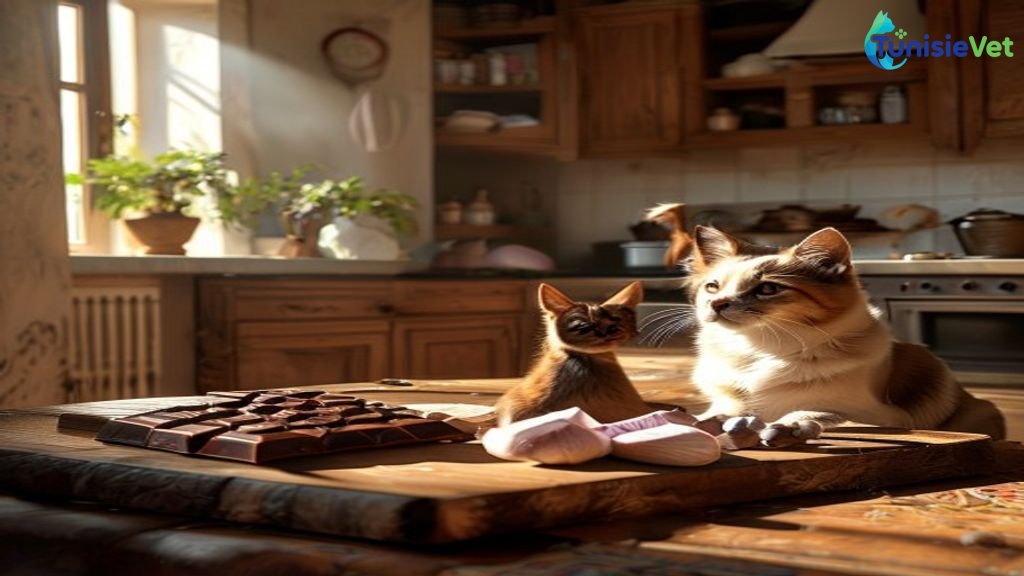
Many pet owners unknowingly share toxic foods with their dog or cat, simply because these foods seem harmless to us. Yet several everyday items found in Tunisian kitchens can cause serious, sometimes fatal, pet poisoning. Knowing which foods are dangerous for cats and dogs can help you avoid many emergency vet visits and react quickly if an accident does happen.
The most common toxic foods for dogs and cats
Some everyday foods are particularly risky and should be kept out of your pet's bowl entirely, no matter the amount.
- Chocolate: contains a substance that is toxic to the nervous system and heart of dogs and cats, even in small amounts.
- Onion, garlic, shallot and leek: the entire allium family can damage red blood cells and cause anemia, whether raw, cooked or powdered (broths, sauces).
- Grapes and raisins: can trigger severe kidney failure in dogs, with no clear link to the amount eaten.
- Avocado: both the flesh and the pit contain a substance poorly tolerated by many animals.
- Macadamia nuts: cause weakness, tremors and fever in dogs.
- Xylitol (a sweetener found in some sugar-free gums and candies): causes a sudden, dangerous drop in blood sugar.
- Alcohol and raw bread dough: dough fermenting in the stomach can produce alcohol and dangerously stretch the abdomen.
- Caffeine (coffee, tea, energy drinks): over-stimulates the heart and nervous system.
- Cooked bones: they splinter into sharp fragments that can pierce the esophagus or intestines.
- Cow's milk in large amounts: many adult dogs and cats digest lactose poorly, leading to diarrhea and digestive upset.
Cats are a special case
Cats are obligate carnivores and are even more sensitive than dogs to certain compounds. Beyond the foods listed above, be wary of very salty, fatty or spicy dishes, as well as excessive raw fish leftovers, which can throw off their nutritional balance over time.
Poisoning symptoms to watch for
After eating something dangerous, symptoms don't always show up right away. Watch closely over the following hours for:
- Vomiting and/or diarrhea, sometimes with blood
- Sudden loss of appetite
- Lethargy, weakness or an unsteady gait
- Tremors, agitation or seizures
- Excessive drooling
- Rapid or labored breathing
- Pale or yellowish gums
- Abdominal pain (hunched back, resisting having the belly touched)
These symptoms can vary depending on the food involved, the amount eaten and the size of the animal. A small dog or a kitten will always be more vulnerable than a large adult dog.
What to do if you suspect pet poisoning
If you suspect your pet has eaten something toxic, every minute counts. Here's what to do:
- Stay calm and immediately remove the food in question to prevent further ingestion.
- Identify what was eaten and, if possible, roughly how much: this information is invaluable for the vet.
- Never induce vomiting without professional advice: some substances are more dangerous coming back up than staying in the stomach.
- Contact a vet right away, even if there are no visible symptoms yet: some effects are delayed.
- Keep the packaging or a sample of the food eaten if possible, as this helps with diagnosis.
- Monitor your pet closely while waiting for the appointment, without giving food or water unless told otherwise.
If you suspect poisoning, never try blind home remedies. The safest option is always to consult veterinarians for dogs or veterinarians for cats near you without delay, as they can assess the severity of the situation and give the right treatment.
How to prevent accidents at home
Prevention remains the best defense against pet poisoning:
- Store risky foods out of reach, including on countertops and coffee tables.
- Avoid giving table scraps out of habit, even in small amounts.
- Make sure the whole family, especially children, knows which foods are off-limits for your pet.
- Secure trash cans, which curious dogs and cats often explore.
- Choose food suited to your pet's species and age, approved by a professional.
Can a dog eat the same food as a cat?
No, it's best to avoid sharing food between dogs and cats. Their nutritional needs differ, and some foods tolerated by one can be more problematic for the other. Each pet should have its own diet suited to its species.
If you're unsure about a food or notice unusual behavior in your pet, the safest move is to quickly consult a professional through the vet directory for fast, reassuring advice.
Leave a comment
Be the first to comment on this article.