
Toxic Foods for Dogs and Cats: The Urgent List to Know
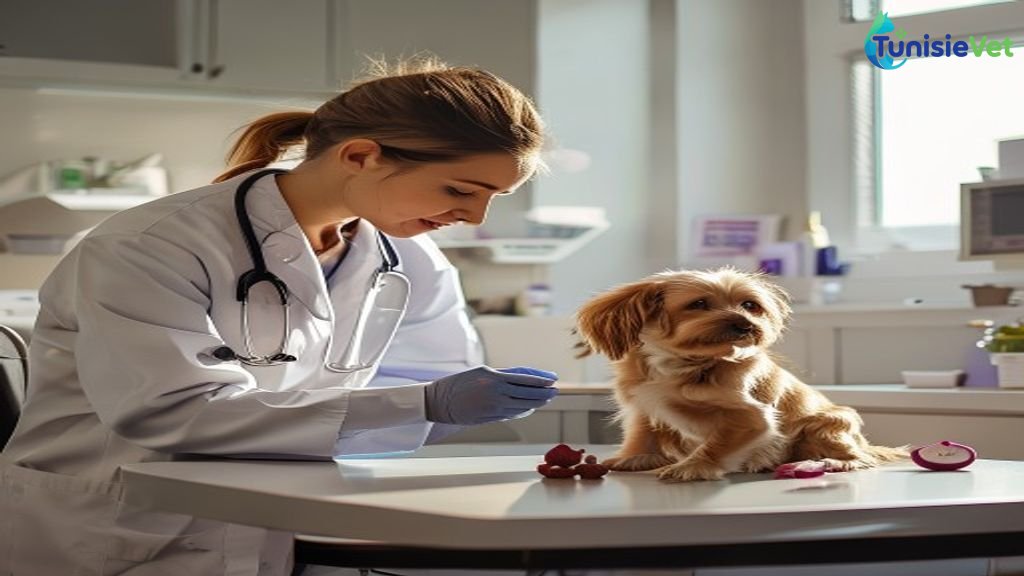
Toxic foods for dogs and dangerous foods for cats are often hiding... right in our own kitchen. A square of chocolate dropped on the floor, leftover onion-based food shared "out of kindness", a few grapes forgotten on the table: these seemingly harmless moments can trigger a serious, sometimes fatal, pet food poisoning. Knowing which foods to avoid, recognizing early symptoms, and reacting the right way can prevent many vet emergencies.
The most dangerous foods for dogs and cats
Some everyday foods found in our cupboards are simply incompatible with a dog's or cat's body, even in small amounts.
- Chocolate: it contains theobromine, a substance dogs and cats struggle to break down. The darker the chocolate, the more dangerous it is.
- Alliums (onion, garlic, shallot, leek): raw, cooked, powdered or in a sauce, these vegetables can destroy red blood cells and cause anemia.
- Grapes and raisins: even in tiny amounts, they can trigger kidney failure in dogs, though the exact mechanism is still not fully understood.
- Xylitol, a sweetener found in some sugar-free chewing gums, candies or baked goods: it causes a sudden drop in blood sugar in dogs.
- Avocado: the flesh, pit and skin contain a substance that can irritate the digestive tract.
- Alcohol and raw bread dough: fermentation in the stomach can produce alcohol and cause dangerous stomach bloating.
- Caffeine (coffee, tea, energy drinks): it affects the heart and nervous system.
- Cooked bones: they splinter into sharp fragments that can pierce the esophagus or intestine.
- Cow's milk in adult animals: many dogs and cats are lactose intolerant, which causes diarrhea and digestive upset.
Dogs and cats don't always react the same way
Cats, as strict carnivores, are particularly sensitive to alliums and chocolate, but also to certain houseplants swallowed by accident. Dogs, being more "food-driven" and opportunistic, are more often exposed to grapes, xylitol, and sweet or salty table scraps. Either way, the rule stays the same: if you're not sure about a food, don't give it.
Symptoms of food poisoning in pets
Signs of pet food poisoning can appear quickly or build up gradually, depending on the food eaten and the amount. Watch out for:
- Vomiting and/or diarrhea, sometimes with blood;
- A sudden loss of appetite;
- Unusual tiredness or listlessness;
- Tremors, restlessness, or on the contrary, marked lethargy;
- Excessive drooling;
- Rapid breathing or an abnormal heart rate;
- In the most severe cases: seizures, breathing difficulties, or loss of consciousness.
These symptoms aren't specific to one single substance, which is why it's important to be able to tell your vet exactly what your pet ate, how much, and how long ago.
What to do if your pet eats something toxic
If you suspect your pet has eaten something dangerous, every minute counts. Here's what to do:
- Stay calm and assess the situation: what food, how much, and how long ago?
- Never try to induce vomiting yourself without professional advice: some substances become even more dangerous coming back up.
- Remove any leftover food right away so your pet — or another animal in the household — can't eat more of it.
- Call a vet immediately, even if your pet seems fine: some symptoms only show up hours later.
- Keep the packaging or a sample of the food involved, as this helps the vet decide on treatment.
- Don't give milk, salt, or any home remedy hoping to "neutralize" the toxin: these popular tricks don't work and can make things worse.
A prompt vet consultation remains the safest move: only a professional can properly assess the severity and provide the right treatment. To find a vet near you, check out our directory of vets for dogs or vets for cats, depending on your companion.
How to prevent food poisoning day to day
- Store risky foods out of reach (closed cupboards, cleared tables);
- Make sure everyone in the household, especially kids, knows which foods are off-limits;
- Avoid giving table scraps "as a treat";
- Stay extra vigilant during holidays and family gatherings, when the risk is higher;
- Stick to a diet suited to your pet's species, in controlled portions, and always keep fresh water available.
What if my dog or cat ate chocolate?
Call a vet right away, without waiting for symptoms to appear. Let them know the type of chocolate (dark or milk) and, if possible, roughly how much was eaten: this information helps assess the level of risk and decide on the next steps.
Need a professional opinion? If in doubt or in an emergency, find a veterinarian near you on TunisieVet.
Leave a comment
Be the first to comment on this article.