
Horse Lameness: How to Spot the Signs and Act in Time
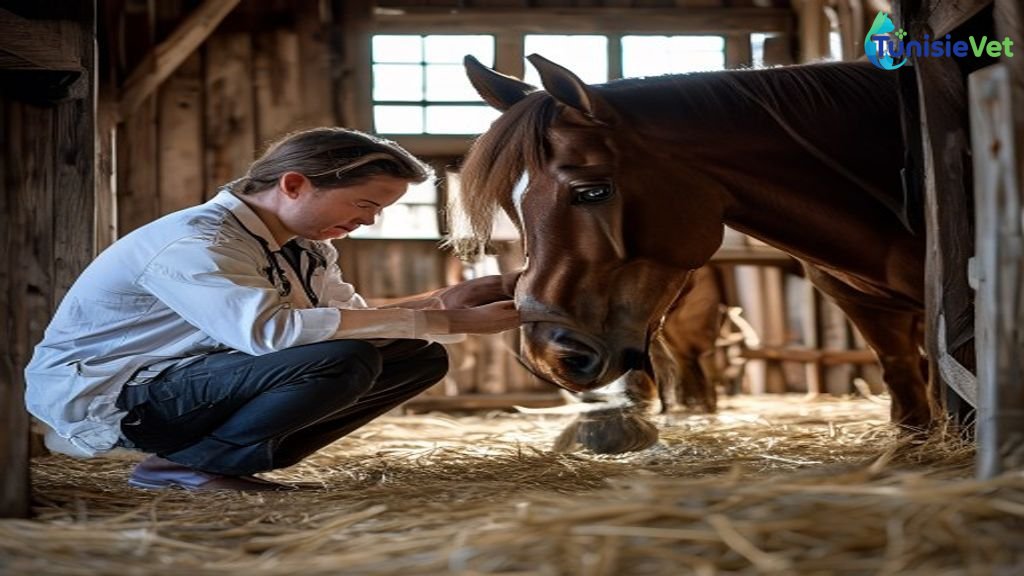
Horse lameness is one of the most common reasons for a veterinary call-out, and it's easy to see why: it can signal something as simple as a stone lodged in the hoof, or a more serious condition requiring long-term management. For any horse owner or breeder, learning to recognize the early signs of equine lameness can often prevent a minor issue from turning into a major one. This practical guide covers the most common causes, diagnostic methods, and above all, the everyday prevention habits worth adopting, regardless of climate or terrain.
Spotting the Early Signs of Equine Lameness
A lame horse doesn't always show it dramatically. Regularly observing your horse, both at rest and in motion, is essential to catch subtle warning signs before they become established problems.
- Head-bobbing at the walk or trot (the horse raises its head when the sore limb touches the ground)
- Shortened stride or reluctance to bear weight normally on a limb
- Unusual heat or localized swelling on a limb or hoof
- Withdrawal reflex when the hoof is pinched or a tendon is palpated
- Consistently shifting weight off one limb at rest, or pawing at the ground
- Reluctance to move, turn, or back up
If in doubt, it's best to watch the horse on flat, hard ground, at the walk and then the trot, both in a straight line and on a circle: lameness often becomes more noticeable in turns or on a tight circle.
Laminitis in Horses: An Emergency You Can't Afford to Ignore
Laminitis in horses is a painful inflammation of the internal hoof tissues (the laminae) that can affect one or more limbs, most often the front feet. It shows up as a cautious gait, short steps, a characteristic stance where the horse shifts its weight onto its hindquarters to relieve its feet, along with noticeable heat in the hooves and a stronger-than-normal digital pulse.
The best-known triggers include excess carbohydrate intake (overeating rich grass or grain), being overweight, certain metabolic disorders, or intense exertion on hard ground. In hot, dry regions, particular attention should be paid to grazing management after rain-triggered grass regrowth, as well as adjusting feed during periods of prolonged inactivity. Laminitis is considered a veterinary emergency: the faster the response, the better the chances of preserving the function of the foot.
Tendinitis in Horses and Other Musculoskeletal Issues
Tendinitis in horses mainly affects the flexor tendons of the limbs, which are heavily strained during fast work, jumping, or movement on uneven ground. It presents as swelling, heat, and sensitivity to touch, typically on the back of the cannon bone. Neglected or poorly treated tendinitis can develop into a chronic injury, with a high risk of recurrence if the horse returns to work too soon.
Other common causes of lameness are worth knowing about:
- Hoof abscess: a localized infection under the sole, often causing sudden, severe lameness
- Sand cracks and wall fissures: linked to weakened hoof horn or improper trimming
- Arthritis and joint conditions: more common in older horses or those in heavy work
- Sole bruising: caused by rocky or overly hard ground
Hoof Problems: The Foundation of Good Locomotor Health
Most cases of hoof problems in horses can be avoided with rigorous care. The hoof is a living structure that responds directly to its environment, diet, and the frequency of maintenance it receives.
Good Hoof Care Practices
- Have hooves trimmed regularly by a qualified farrier or trimmer, even if the horse is unshod
- Pick out hooves daily to remove mud, stones, and debris
- Watch for unusual odors, a possible sign of thrush
- Adjust trimming to the terrain the horse works on: dry, hard ground requires a different approach than wet ground
- Avoid abrupt switching between a damp stall and a dry paddock, which weakens the hoof horn
Diagnosing Lameness: The Vet's Role
Diagnosing equine lameness relies on a structured examination: observing the gait, palpating the limbs, flexion tests, hoof tester exams, and, if needed, additional imaging. An equine vet may also perform a progressive series of local nerve blocks to pinpoint the painful area precisely when the lameness isn't obvious to the naked eye.
Treating lameness "blindly" with anti-inflammatories, without a prior diagnosis, is strongly discouraged, as it can temporarily mask the pain while allowing the underlying injury to worsen. Consulting specialized equine veterinarians ensures a reliable diagnosis and a treatment plan tailored to the actual cause of the problem.
Long-Term Prevention and Gradual Rehabilitation
Preventing lameness in horses comes down to a combination of simple but consistent habits:
- Maintain consistent hoof care (trimming, picking out, monitoring hoof horn condition)
- Adjust feed to the horse's activity level to avoid excess weight and carbohydrate overload
- Allow for a gradual warm-up before any exertion and a proper cool-down afterward
- Vary work surfaces so the same structures aren't repeatedly stressed
- Provide fresh water at all times and monitor overall condition during hot weather
- Follow a gradual return to exercise after an injury, starting with hand-walking, then controlled trotting, before resuming full work
Rehabilitation after lameness must always be gradual and supervised: returning to work too quickly risks a setback, while prolonged strict rest without controlled remobilization can slow tissue recovery. Regular veterinary follow-up allows the recovery program to be adjusted as the horse progresses.
When Should You Call a Vet Urgently for Lameness?
Sudden, severe lameness, intense heat in the hoof, a complete refusal to bear weight on a limb, or suspected laminitis all call for immediate veterinary attention. In these situations, every hour counts in limiting damage and improving the long-term outlook.
Need a professional opinion? If in doubt or in an emergency, find a veterinarian near you on TunisieVet.
Leave a comment
Be the first to comment on this article.