
Heatwave Animals: Protecting Livestock & Pets Up to 47°C
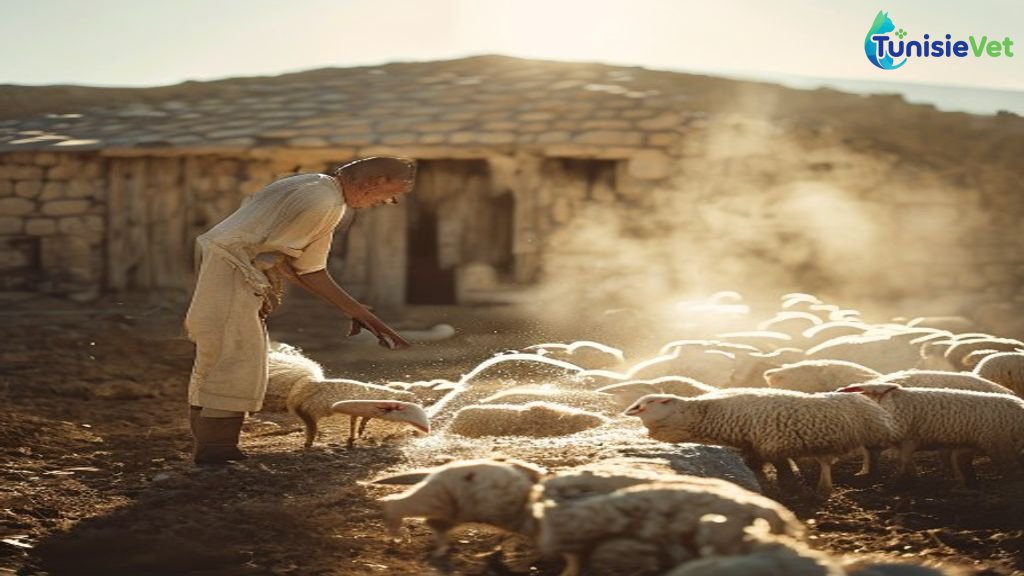
The heatwave affecting animals in Tunisia is more than a passing concern: it directly threatens the lives of livestock and pets alike. The National Institute of Meteorology (INM) has announced the continuation of an extreme heatwave, with temperatures locally reaching 47°C this Wednesday, notably in Jendouba and Tozeur. Beja, Kairouan, Sidi Bouzid and Kebili are forecast to hit 46°C, while Le Kef, Siliana and Gafsa should come close to 45°C. The day before, 45°C had already been officially recorded in Sejnane, Mateur, Medjez El Bab, Bou Salem and Gaafour, with 44°C in Beja, Jendouba and Chorfech, and 43°C in Siliana, Le Kef, Dahmani and Tajerouine. Against this backdrop, protecting livestock from extreme heat has become an absolute priority for farmers and pet owners alike.
Why these extreme temperatures put animal health at risk
Just as with humans, intense heat disrupts animals' ability to regulate their body temperature. Unlike us, most livestock and companion species sweat very little, if at all, which severely limits their capacity to release heat. With peaks like those forecast this week, the risk of heatstroke, severe dehydration and a sharp drop in performance (milk yield, egg laying, growth) rises significantly. Health authorities are urging people to avoid direct sun exposure, particularly during the hottest hours of the day — advice that applies just as much to livestock as it does to humans.
Warning signs to watch for
- Excessive panting or rapid breathing
- Lethargy, refusal to move or eat
- Heavy drooling or very red mucous membranes
- A sudden drop in production (milk, eggs) in farm animals
Protecting livestock: essential steps during the heatwave
For farmers, protecting livestock from the heat comes down to a few simple but essential practices that should be applied without delay, especially in regions forecast above 45°C.
- Constant shade: ensure continuous access to shaded areas, whether natural or artificial, for all animals out in pasture or outdoor pens.
- Plenty of fresh water: increase the number of watering points and check several times a day that they haven't run dry, following the same guidance given to humans to keep hydrating continuously, even without feeling thirsty.
- Adjust working hours: shift milking, herd movements and animal care to the cooler parts of the day (early morning, late evening).
- Ventilate buildings: open as many vents as possible in barns, sheepfolds and poultry houses to improve air circulation.
- Limit transport of animals during peak heat hours.
Pets: summer well-being and extra vigilance
Keeping dogs, cats and other companions comfortable in summer comes down to a few simple daily adjustments. Just as health authorities recommend checking regularly on vulnerable people — children and the elderly — pet owners should keep a close eye on their animals, especially if they are older, unwell, or a brachycephalic breed.
- Never leave an animal in a vehicle, even for a few minutes
- Provide fresh water at all times, topped up several times a day
- Favor early morning or evening walks, avoiding hot pavement
- Lightly dampen the coat or offer a water spot to help them cool down
At the first unusual sign — sudden lethargy, intense panting, vomiting — a prompt veterinary consultation is essential. It's strongly advised to identify a trusted professional in advance: the directory of veterinarians available near you makes it possible to act quickly in a heat-related emergency.
Animal health and heatwaves: preparing rather than reacting
Animal health during heatwaves isn't only about the day of peak heat — it's about preparing in advance. Stocking extra water supplies, checking shading and ventilation systems, and keeping an eye on weather forecasts all help you get ahead of the most severe episodes rather than scrambling to react once the mercury hits highs like the 47°C forecast this week.
What to do if an animal shows signs of heatstroke
Move the animal immediately to a shaded or cool area, offer fresh (never ice-cold) water, and gently dampen its body without plunging it abruptly into cold water. Contact a veterinarian right away, as heatstroke can rapidly escalate into a life-threatening emergency.
Leave a comment
Be the first to comment on this article.