
Conjunctivitis in Dogs and Cats: Symptoms, Causes and Relief
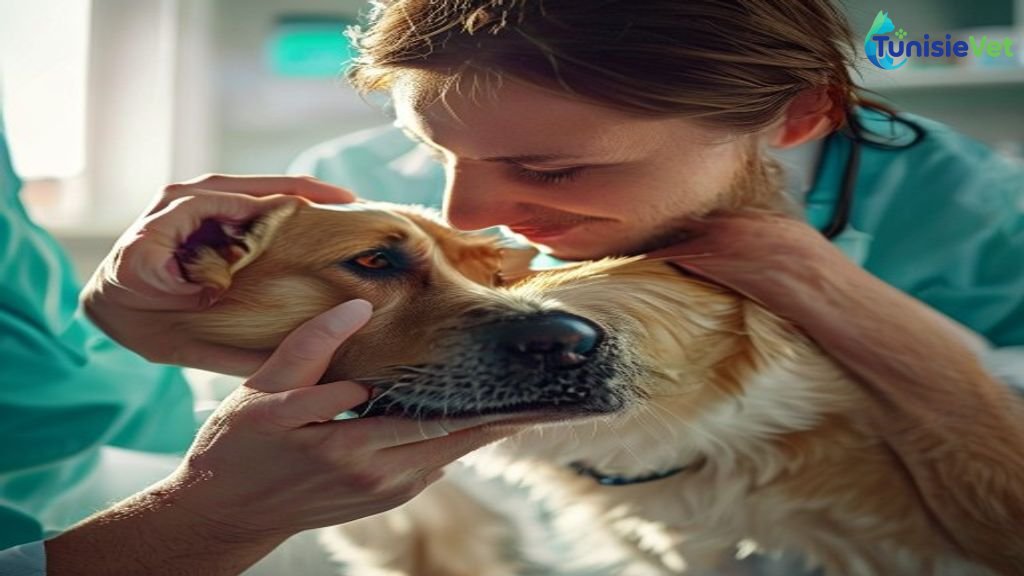
Conjunctivitis in dogs and cats is one of the most common eye conditions seen in companion animals. A red eye, excessive blinking or unusual discharge should always catch a pet owner's attention, since the eyes are delicate organs where a minor irritation can worsen quickly if left untreated. This practical guide explains how to recognise the signs of an eye infection in pets, understand the possible causes, and take the right steps before visiting the vet.
Recognising the symptoms of conjunctivitis
The conjunctiva is the thin pink membrane lining the inside of the eyelids and the white of the eye. When it becomes inflamed, several signs often appear together:
- Red eyes in dogs or cats, with visible blood vessels on the white of the eye
- Repeated blinking or an eye held half-closed, a sign of discomfort or pain
- Excessive tearing in cats or dogs, sometimes with damp streaks under the eye
- Eye discharge that is clear, whitish, yellowish or greenish depending on the type of irritation
- Swollen eyelids or eyes slightly stuck together upon waking
- The animal rubbing its eye with a paw or against furniture
A clear, watery discharge usually points to a simple irritation, while a thick, coloured discharge can suggest a secondary infection requiring appropriate treatment.
Possible causes of eye irritation and infection
Local and environmental causes
Most cases of conjunctivitis in dogs and cats have a local, easily identifiable origin:
- Dust, sand or pollen coming into contact with the eye
- A foreign body: a twig, a hair or a grain of sand trapped under the eyelid
- Draughts or prolonged exposure to wind during car rides
- Seasonal allergies, particularly in animals that spend a lot of time outdoors
- Irritating products: shampoos, sprays or cigarette smoke
More general causes
Eye inflammation can also be a sign of a broader health issue:
- Respiratory infections in cats, often linked with watery eyes and sneezing
- Eyelid abnormalities or misdirected eyelashes rubbing against the cornea
- Weakened immune defences related to age or an underlying illness
- Certain breeds with prominent eyes or short muzzles, which are more prone to mechanical irritation
First cleaning and hygiene steps at home
While waiting for a vet appointment, a few simple steps can bring relief without making things worse:
- Wash your hands thoroughly before touching the eye
- Use a clean compress soaked in saline solution, never tap water or unsuitable products
- Wipe gently from the inner to the outer corner of the eye, using a separate compress for each eye to avoid cross-contamination
- Gently remove any crusts or dried discharge around the eyelids
- Watch whether the animal blinks more after cleaning, which may indicate a lingering foreign body
- Avoid using any eye drops or ointment "from the cupboard" that wasn't specifically prescribed for this animal and this episode
This gentle cleaning brings immediate comfort but is never a substitute for a proper diagnosis. Some infections require specific antibiotic or anti-inflammatory treatment, and a more serious issue such as a corneal injury must be ruled out through a proper examination.
When should you see a vet?
It's advisable to seek professional help quickly in the following situations:
- The eye stays closed or the animal won't let you touch it
- The discharge becomes thick, coloured or foul-smelling
- Redness persists for more than a few days despite cleaning
- Cloudiness, a spot or an unusual bump appears on the cornea
- The animal shows signs of severe pain or a related drop in appetite
An eye examination allows the exact cause of the inflammation to be identified and the treatment to be tailored, helping preserve the animal's eyesight in the long run. For any redness or discharge that persists, it's best to quickly consult veterinarians for dogs or veterinarians for cats to get a reliable diagnosis.
Is conjunctivitis in dogs or cats contagious?
It depends on the cause: conjunctivitis triggered by dust or an allergy isn't contagious, while an infectious form, particularly in cats, can spread between animals living together. As a precaution, it's wise to temporarily isolate the affected animal and to wash your hands thoroughly after each treatment.
Need a professional opinion? If in doubt or in an emergency, find a veterinarian near you on TunisieVet.
Leave a comment
Be the first to comment on this article.