
Heatstroke in Dogs and Cats: Signs, Emergencies & Prevention
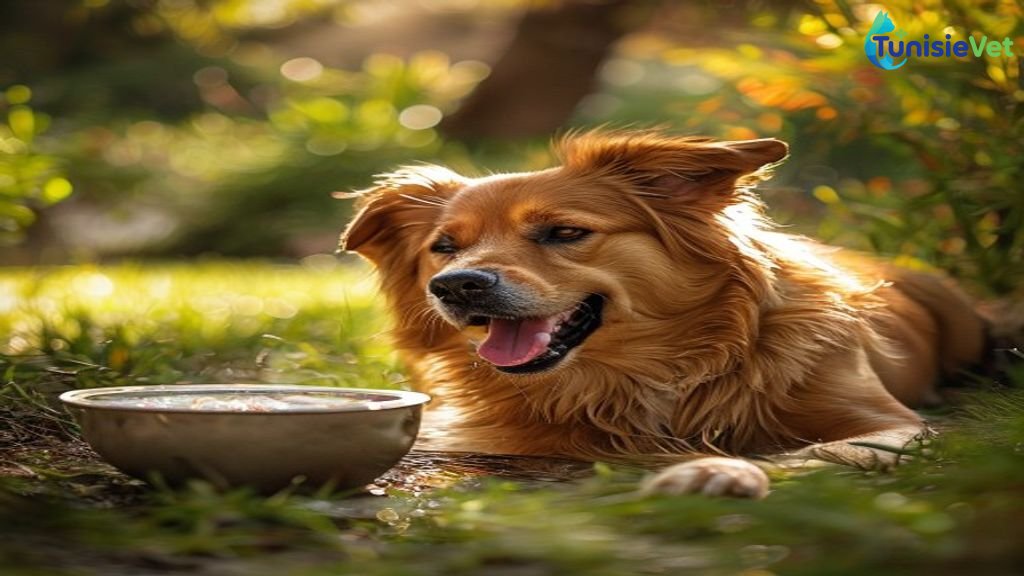
Heatstroke is one of the most dangerous summer emergencies for our pets. Every year, as temperatures rise, dogs and cats face this life-threatening risk, which can turn fatal within minutes. Knowing the warning signs, reacting quickly, and adopting the right daily habits can literally save your companion's life. Here's everything you need to know to protect your pet during a heatwave.
Why do dogs and cats struggle so much with heat?
Unlike humans, dogs barely sweat at all: they release heat mainly by panting. Cats regulate their body temperature in an even more limited way. Some breeds are especially vulnerable:
- Brachycephalic breeds (short muzzle) such as the Bulldog, Pug, or Persian cat, whose airways make panting less effective.
- Older or overweight animals, or those with heart or respiratory conditions.
- Puppies, kittens, and long-haired or thick-coated animals.
Without an efficient way to regulate their body temperature, a pet exposed to excessive heat can see its internal temperature spike very quickly, putting its life at risk if nothing is done.
Heatstroke in dogs and cats: warning signs to watch for
Recognizing early symptoms allows you to act before the situation becomes critical. Watch out for the following signs:
- Heavy, rapid, noisy panting
- Excessive drooling, bright red tongue and gums
- Weakness, wobbly gait, difficulty standing up
- Vomiting or diarrhea
- Confusion, unusual restlessness, or on the contrary, lethargy
- In severe cases: seizures or loss of consciousness
In cats, these signs can be more subtle: a cat suffering from heat stress will often hide, become listless, and breathe with its mouth open — highly unusual behavior for this species and a clear red flag for an emergency.
First aid for heatstroke
If you suspect heatstroke, every minute counts. Here's what to do while waiting for veterinary care:
- Move the animal immediately to a cool, shaded spot, away from direct sunlight.
- Wet its body with lukewarm water (never ice-cold, which could cause thermal shock), focusing on the belly, paws, and neck.
- Place a fan nearby if possible to help evaporation.
- Offer cool water to drink, without forcing the animal.
- Contact a vet right away, even if the animal seems to be recovering: internal complications can appear hours after the episode.
Heatstroke is a genuine medical emergency in its own right. Even after an apparent improvement, a prompt check-up with veterinarians near you is essential to assess the animal's overall condition, particularly kidney and heart function.
Protecting your pet from the heat: everyday habits that make a difference
Adjust outings and the environment
- Walk your dog early in the morning or late in the evening, avoiding the hottest hours of the day.
- Avoid walking on hot asphalt: it can burn paw pads and radiate intense heat.
- Always provide access to shade and fresh water, both indoors and outdoors.
- Never leave an animal alone in a car, even for a few minutes: the temperature inside rises extremely fast, even with the windows slightly open.
Encourage thermal comfort
- Offer several bowls of fresh water around the house, refilled regularly.
- A cooling mat, a damp towel, or a cool tiled floor can help the animal regulate its temperature.
- Brush long-haired pets regularly to avoid unnecessary extra insulation from heat.
- Never fully shave a double-coated dog: its coat also protects it from heat and sun exposure.
Heatstroke in cats: a particular need for vigilance
Cats are naturally discreet and often hide their discomfort. It's essential to give them free access to several sources of fresh water and shaded areas of the house, especially if they don't go outdoors. A cat that stays listless, breathes with its mouth open, or refuses to move should be closely monitored and taken to see a vet without delay.
When should you seek emergency veterinary care?
Any suspicion of heatstroke calls for a prompt veterinary consultation, even after initial cooling measures. Signs such as seizures, loss of consciousness, repeated vomiting, or extreme weakness require immediate care. Feel free to check the directory of veterinarians specializing in dogs or veterinarians specializing in cats to quickly find a professional near you.
Frequently asked question: how long can heatstroke last before becoming dangerous?
Heatstroke can become fatal in just a few minutes if the animal remains exposed to excessive heat with no way to cool down. That's why you should never wait to act: at the very first signs, cool the animal down and consult a vet, even if its condition seems to be improving quickly.
Leave a comment
Be the first to comment on this article.