
Heatstroke in Dogs and Cats: Signs, First Aid and Prevention
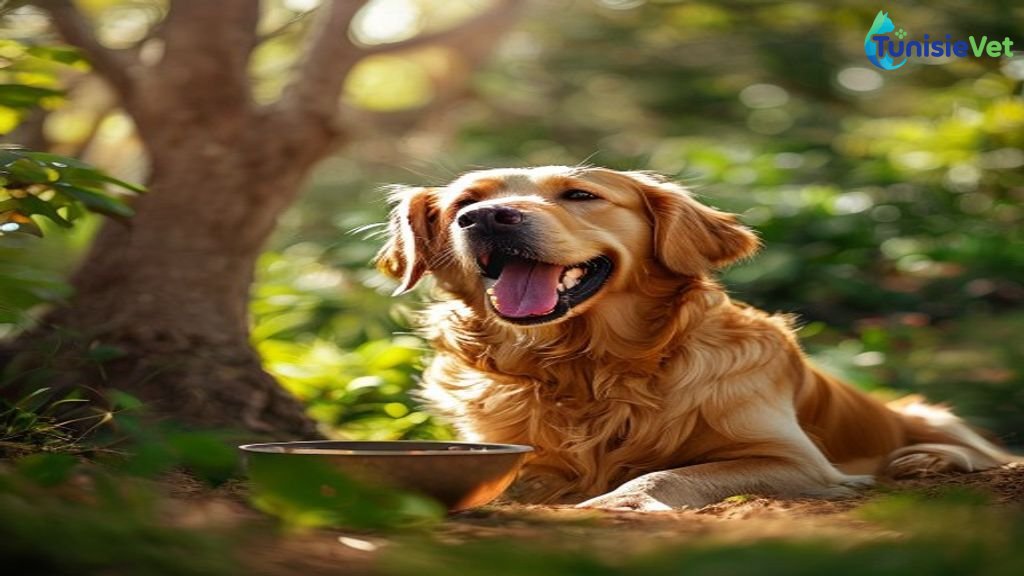
Heatstroke is a serious summer danger for pets. Dogs and cats cope with high temperatures far less efficiently than humans do, since they barely sweat and regulate their body heat almost entirely through panting. Learning to spot the warning signs and knowing the right reflexes can literally save your companion's life during a summer heatwave. Here's how to keep your pet safe in hot weather all season long.
Why are dogs and cats so vulnerable to heat?
Unlike humans, dogs don't have effective sweat glands across their body: they release heat mainly by panting, with a little help from their paw pads. Cats, for their part, tend to hide and slow down when they're too hot, which can delay the detection of a problem. Some pets are especially at risk:
- Short-muzzled breeds (bulldogs, pugs, Persians, exotic shorthairs), which already breathe with more difficulty
- Puppies, kittens and senior pets, whose thermoregulation is less efficient
- Overweight animals
- Pets with heart or respiratory conditions
- Animals with thick or dark coats
Recognizing the signs of heatstroke in dogs and cats
Heatstroke in both dogs and cats can escalate very quickly. The earlier you catch the following signs, the better the chances of a full recovery.
Early warning signs
- Fast, noisy, unusual panting
- Excessive drooling
- Restlessness, seeking shade or cool spots
- Bright red gums and tongue
Severe warning signs
- Weakness, staggering gait
- Vomiting or diarrhea
- Gums turning pale or bluish
- Seizures or loss of consciousness
As soon as severe signs appear, it's a genuine veterinary emergency: every minute matters.
First aid for heatstroke
While waiting to reach a vet, a few simple steps can help lower body temperature without putting your pet at further risk:
- Move the animal immediately to a cool, shaded spot
- Wet its body with lukewarm water (never ice-cold, which could trigger thermal shock), focusing on the belly, inner thighs and paw pads
- Place a fan nearby to help the water evaporate and cool the skin
- Offer fresh water freely, without forcing your pet to drink
- Never cover the animal, not even with a wet towel, as this traps heat in
- Contact a veterinarian as soon as possible, even if the animal seems to be recovering
A pet that has suffered heatstroke should always be examined, since internal complications can appear hours after the episode. Don't hesitate to quickly consult veterinarians for dogs or veterinarians for cats near you for a full check-up.
Everyday habits to keep your pet safe in summer
Prevention remains the best defense against heatstroke. A few simple habits can significantly reduce the risks:
- Always keep several bowls of fresh water available, refilled regularly
- Avoid walks and playtime during the hottest hours of the day; stick to early morning or evening
- Never leave a pet alone in a car, not even for a few minutes, not even with the windows cracked open
- Provide constant access to a shaded, well-ventilated area
- Don't shave the coat completely, as fur also protects against heat and sun
- Regularly dampen the coat or offer a cooling mat
- Protect paw pads from hot asphalt during walks
- Adjust meals during heatwaves, offering lighter food
Heatstroke: what to do first
The top priority is to get the animal away from the heat source, cool it down gradually with lukewarm water, and contact a veterinarian right away. Heatstroke should never be taken lightly, even if the animal seems to bounce back quickly.
If you're ever unsure about your pet's condition, it's always safer to seek professional advice: the TunisieVet veterinarian directory helps you quickly find a professional near you for guidance tailored to your pet's situation.
Leave a comment
Be the first to comment on this article.