
Dog & Cat Dehydration: Subtle Signs and Life-Saving Habits
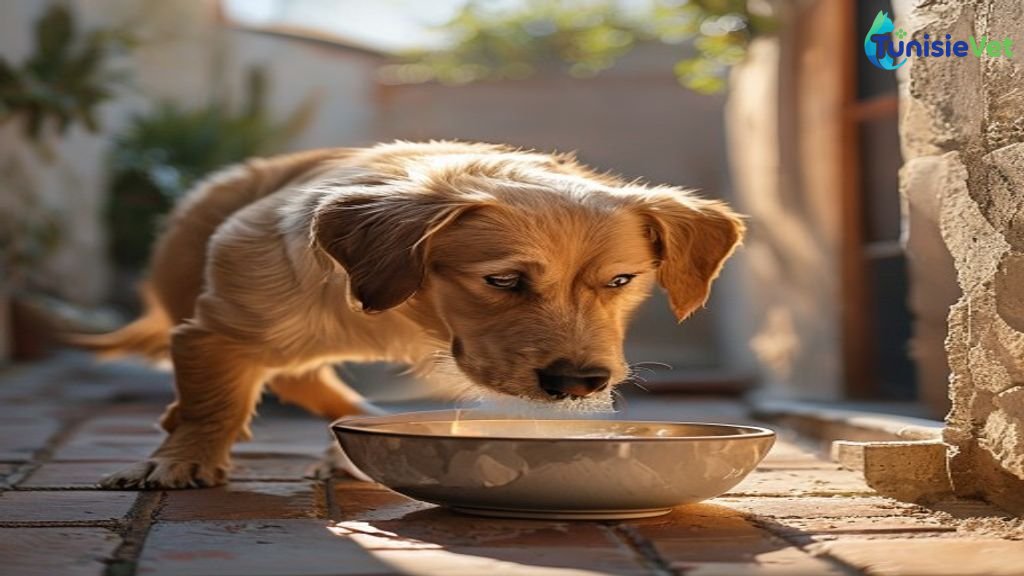
Dehydration in dogs and cats is a very real risk once temperatures rise, especially in a hot climate where summer days can be long and dry. Contrary to popular belief, a pet can become dehydrated gradually without its owner noticing, simply because it drinks a little less than it actually needs. Learning to spot the subtle warning signs and adjusting daily water access can prevent many complications, particularly in puppies, kittens, senior pets, or animals living outdoors.
Why Water Balance Is Essential for Dogs and Cats
Water makes up a major share of a dog's or cat's body weight and plays a role in almost every vital function: temperature regulation, digestion, waste elimination, and nutrient transport. Even a mild imbalance forces the body to draw on its reserves, putting strain on the kidneys and heart. Unlike humans, dogs release heat mainly through panting and through their paw pads, which increases water loss during hot weather. Cats, being more discreet by nature, often show fewer visible signs, making watchfulness even more important.
Needs Vary From One Animal to Another
- Puppies and kittens dehydrate faster due to their small body mass.
- Older animals or those with chronic illnesses regulate their thirst less effectively.
- Breeds with thick coats or flat faces tolerate heat poorly and often drink differently.
- A very active pet, or one that lives mostly outdoors, needs significantly more water than a sedentary indoor animal.
Signs of Dehydration in Pets: What to Watch For
The early signs of mild to moderate dehydration are often subtle. Catching them early makes it possible to act before the situation worsens.
- Dry or sticky gums instead of the usual moist, glossy texture.
- Loss of skin elasticity: a skin fold gently lifted between the fingers, over the shoulder area, takes longer than usual to fall back into place.
- Unusual lethargy, with less enthusiasm for play or movement.
- Excessive or prolonged panting in dogs, even at rest.
- Slightly sunken eyes and a dull-looking gaze.
- Darker, less frequent urination than usual.
- Loss of appetite, often paired with an overall drop in energy.
If several of these signs appear together, or if the animal refuses to drink despite clearly feeling hot, it's best to seek veterinary advice quickly. A dog or cat that is very listless, with pale gums or an abnormally slow capillary refill time, needs veterinary care without delay.
Water Access in Hot Weather: How to Adapt for Your Pet
When temperatures climb, simply putting down a bowl in the morning isn't enough. Water access should be treated as a genuine prevention strategy, especially for animals living in a yard, garden, or small family-run setup.
- Set up multiple water points, both indoors and outdoors, so the animal never has to search far for a drink.
- Refresh the water several times a day to keep it cool and appealing, especially during peak heat.
- Place bowls in the shade, never in direct sunlight, to stop the water from warming up quickly.
- Choose wide, stable containers that are easy to lap from, particularly for flat-faced dogs or older cats.
- If the animal accepts it, add a little water to wet food or drop ice cubes into the bowl during heatwaves.
- Avoid walks and physical activity during the hottest hours of the day, favoring early morning or evening instead.
The Role of Water and Nutrition in Pets
The connection between water intake and pet nutrition is often underestimated. A diet based solely on dry kibble requires much more water consumption than a wet-food diet, which already provides part of the hydration an animal needs. Adjusting the type of food according to the season, ambient heat, and the animal's habits can help maintain good hydration, alongside constant access to clean, fresh water.
Pet Health Prevention in Tunisia: Everyday Habits for Family-Kept Animals
In Tunisian households where several animals often live together (a guard dog in the yard, semi-free-roaming cats, family-raised livestock), a few simple habits go a long way toward reducing heat-related risks:
- Check every day that water points haven't been knocked over or run dry, especially before the hottest hours.
- Provide shaded areas that are accessible at all times, in addition to water.
- Pay extra attention to older animals, puppies, kittens, and pregnant or nursing females, who are more sensitive to fluid changes.
- Watch for behavioral changes after a walk or any physical effort, even a modest one.
- Never leave an animal shut in an enclosed, poorly ventilated space, even for a short time.
If you're unsure about your pet's hydration status, or if the signs mentioned above persist, it's best to consult a professional. You can find a practitioner near you through our directory of veterinarians for dogs or veterinarians for cats, depending on your companion.
Is My Dog or Cat Drinking Enough Water?
There's no single water amount that applies to every animal: it depends on weight, diet, activity level, and ambient temperature. The best indicator remains daily observation: moist gums, elastic skin, clear and regular urination, normal energy levels. Any sudden break from your pet's usual habits deserves close attention and, if it continues, a veterinarian's opinion.
Need a professional opinion? If in doubt or in an emergency, find a veterinarian near you on TunisieVet.
Leave a comment
Be the first to comment on this article.