
Dog & Cat Diarrhea: Signs, Causes and Daily Prevention
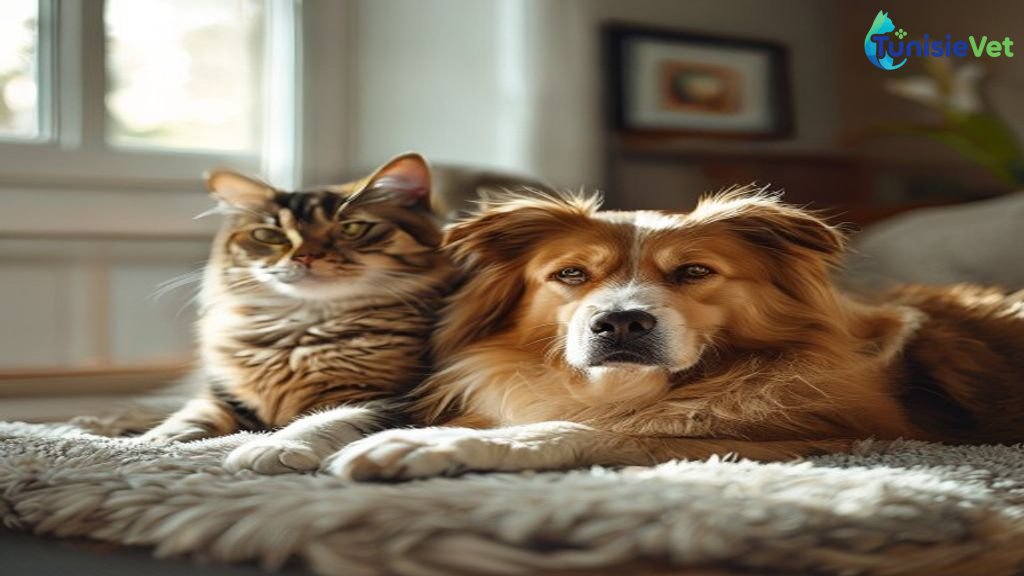
Dog and cat diarrhea, along with vomiting, are among the most common reasons pet owners seek veterinary advice. These digestive upsets are often mild and short-lived, but they can sometimes signal a more serious problem. Learning to recognize early warning signs, understanding what disrupts your pet's digestive system, and adopting the right daily habits can often prevent things from getting worse and help your companion feel better quickly.
Recognizing the Early Signs of Digestive Trouble
Even before full-blown diarrhea or repeated vomiting appears, a dog's or cat's body sends out subtle signals worth learning to spot:
- Loose stools, more frequent bowel movements, or unusual stool color
- Loss of appetite or picking at food without enthusiasm
- Excessive lip licking, drooling, hiccups, or small regurgitations
- Lethargy, seeking isolation, or the "praying" position in dogs (front end lowered, rear end raised)
- A bloated or tender belly
Taken individually, these signs aren't always cause for concern. But when several appear together, or persist for more than a day, it's worth paying closer attention — especially in kittens, puppies, senior pets, or animals with existing health issues.
Understanding the Common Causes of Vomiting and Diarrhea
Digestive issues in pets can stem from many different sources, but a few causes come up again and again in everyday life:
A Sudden Change in Diet
A dog's or cat's digestive system adapts gradually to a given food. Abruptly switching brands, kibble, or wet food, or feeding table scraps, throws off the gut flora balance and very often leads to loose stools.
Stress and Emotional Triggers
A house move, the arrival of a new pet, travel, or even a simple change in routine can trigger stress-related colitis. The connection between stress and digestion is well documented in these species, which are particularly sensitive to changes in their environment.
Internal Parasites
Intestinal worms and other digestive parasites remain a leading cause of diarrhea, particularly in young animals or those without a regular deworming schedule. They can cause chronic diarrhea, vomiting, a bloated belly, and gradual weight loss.
Swallowing a Foreign Object or Eating Something Unsuitable
A dog swallowing an object, a cat nibbling on a toxic plant, or simply eating food that's too fatty, spoiled, or not suited to their species can irritate the digestive lining and trigger sudden vomiting.
Everyday Prevention Habits That Make a Difference
Prevention remains the best defense against digestive troubles. Here are habits worth building into your pet's routine to support their digestive health:
- Transition foods gradually: any diet change should be done slowly, over at least a week, mixing the old and new food in increasing proportions.
- Stick to a regular feeding schedule: consistent meal times and portions suited to your pet's age, weight, and activity level support smooth digestion.
- Skip the table scraps: spicy, fatty, or sugary foods are poorly tolerated by both dogs' and cats' digestive systems.
- Provide constant access to fresh, clean water, especially during hot weather, to help prevent dehydration if mild digestive upset occurs.
- Keep up a regular deworming schedule, tailored to your pet's age and lifestyle, in consultation with your veterinarian.
- Reduce sources of stress: a stable routine, a quiet resting space, and gradual transitions during life changes all help.
- Watch what's within reach: plants, small objects, and household products should be kept out of reach to avoid accidental ingestion.
Naturally Soothing a Mild Digestive Upset
When facing an isolated bout of diarrhea or vomiting with no other worrying symptoms, a few simple steps can help the body recover:
- Give the digestive system a rest: a short fast of a few hours (never for very young kittens or puppies without veterinary advice) allows the gut to settle.
- Reintroduce a bland diet: well-cooked rice and lean white meat with no added fat, given in small, frequent portions, supports a gradual digestive recovery.
- Split meals into smaller portions over the following days rather than going straight back to the usual full ration at once.
- Keep hydration steady, offering room-temperature water in small, repeated amounts if the animal is vomiting.
- Monitor progress closely over 24 to 48 hours: stool frequency, appetite, and overall energy level.
These measures are suitable for a mild, temporary digestive upset. However, they are never a substitute for professional advice once the situation drags on or worsens.
When to See a Vet Without Delay
Certain signs call for prompt veterinary attention, without waiting to see if things improve on their own:
- Vomiting or diarrhea lasting more than a day
- Blood in the stool or vomit
- Marked lethargy, pale gums, or an animal that stops drinking
- Visible abdominal pain, or a hard or swollen belly
- Puppies, kittens, senior pets, or animals with an existing chronic condition
In these situations, only a clinical exam can pinpoint the exact cause (parasitic, dietary, infectious, or otherwise) and start the right treatment before colitis or dehydration sets in. It's always better to consult a professional than to wait it out: you can browse the directory of veterinarians for dogs or veterinarians for cats to quickly find a practitioner near you.
Can My Dog or Cat Vomit Occasionally Without It Being Serious?
Yes, an isolated episode of vomiting, with no other symptoms, can simply reflect fast digestion, eating too quickly, or a minor, passing irritation. It only becomes a concern if it recurs, comes with lethargy, or if the animal refuses to drink in the hours that follow.
Need a professional opinion? If in doubt or in an emergency, find a veterinarian near you on TunisieVet.
Leave a comment
Be the first to comment on this article.