
Dog & Cat Gum Disease: Warning Signs and Teeth Cleaning
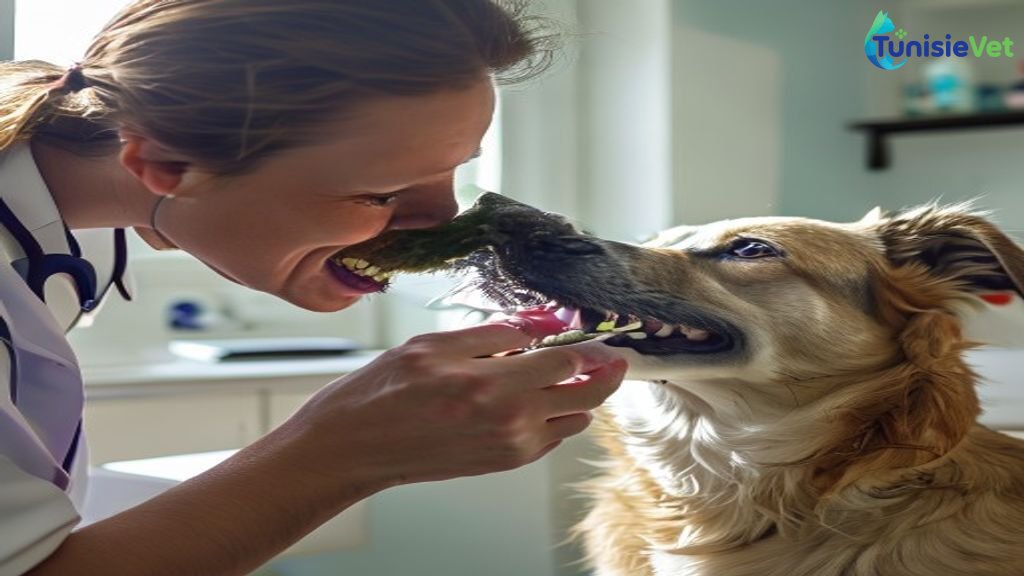
Sudden bad breath is never trivial: it's often the first warning sign of gum disease in dogs and cats. Spotting dental problems early lets you act before inflammation sets in and leads to more serious complications. This practical guide will help you recognise the symptoms, understand why prevention matters so much, and adopt good daily habits to protect your companion's oral health.
Recognising the early signs of gum disease
Healthy gums in a dog or cat are firm and pale pink, with no swelling or bleeding. As soon as inflammation begins, several signs become visible to the naked eye, often well before the animal shows any obvious discomfort:
- Redness or a red line along the gum, right at the edge of the teeth.
- Slight bleeding, sometimes only noticeable on chew toys or during brushing.
- Breath that becomes strong or unpleasant, a common sign of bacterial build-up.
- Yellowish plaque or brownish tartar accumulating at the base of the teeth.
- Discomfort when chewing: the animal chews on one side only, drops kibble, or avoids hard toys.
- Excessive drooling or repeated pawing at the mouth.
In cats, these signs can be subtler than in dogs: a cat in discomfort often hides it well. A drop in appetite or a change in behaviour should therefore also raise a red flag.
Why bad breath is never "normal"
Many owners assume strong breath is just part of an animal's nature. In reality, a marked mouth odour almost always points to bacterial overgrowth linked to dental plaque. Left untreated, this plaque hardens into tartar, a solid deposit that mechanically irritates the gum and fuels chronic inflammation: gum disease, or gingivitis.
If nothing is done, the inflammation can progress to deeper damage affecting the ligament and bone that support the tooth, weakening the jaw and potentially leading to tooth loss. Oral bacteria can also enter the bloodstream and affect other organs, which is why a simple sign of bad breath should never be ignored.
Professional teeth cleaning: a key step, not a luxury
Once tartar has formed, brushing alone is no longer enough to remove it: a professional dental cleaning, usually performed under controlled anaesthesia, is needed to clean thoroughly below the gumline without hurting the animal. The earlier this is done, the less invasive the procedure, and the better the chances of saving all the teeth.
Regularly checking your pet's mouth from a young age helps you spot the right time for this procedure before the situation worsens. A professional can also assess whether additional treatment is needed depending on the condition of the gums and teeth.
Natural ways to prevent tartar every day
Prevention remains the best defence against dental disease. Here are simple, accessible habits to build into your dog's or cat's routine:
- Regular brushing with a suitable brush and toothpaste made specifically for pets remains the most effective way to prevent plaque build-up.
- Suitable chew toys and bones that create natural friction on the teeth and help limit tartar accumulation.
- A proper diet, with kibble of an appropriate texture that encourages chewing rather than quick swallowing.
- Fresh, clean water available at all times, especially in hot weather, to limit the dry mouth that encourages bacterial growth.
- Regular visual checks of the gums and teeth at home, to catch any change before it worsens.
- Treats or supplements specifically formulated for oral hygiene, as a complement to brushing, never as a replacement.
These natural habits don't replace a professional cleaning once tartar has already formed, but they help space out interventions and keep gums healthy for longer.
When should you see a vet?
As soon as you notice unusual breath, bleeding gums, or discomfort while chewing, it's best to seek advice quickly. A professional examination can tell the difference between simple plaque build-up and established gum disease, and determine the best course of action before the problem worsens. For a dog, you can browse the directory of veterinarians specialising in dogs, and for a cat, the directory of veterinarians specialising in cats near you.
Is bad breath in dogs always related to their teeth?
In the vast majority of cases, yes: bad breath comes from plaque and tartar building up on the teeth and below the gumline. More rarely, it can signal a digestive issue or another condition, which is why it's worth seeking professional advice if the odour persists despite good oral hygiene.
Need a professional opinion? If in doubt or in an emergency, find a veterinarian near you on TunisieVet.
Leave a comment
Be the first to comment on this article.