
Cattle Rumen Acidosis: Early Signs & Prevention Tips

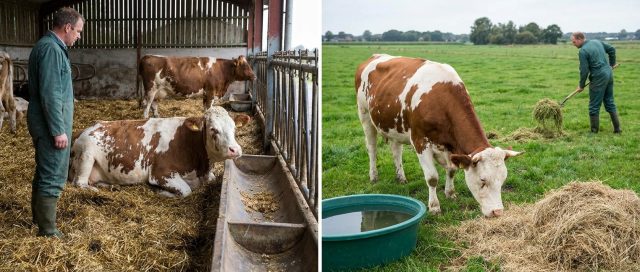
Rumen acidosis in cattle and other ruminant digestive upsets are among the most common and costly health issues in cattle, sheep and goat farming. These disorders occur when the normal function of the rumen — the large fermentation chamber housing billions of microorganisms — is disrupted, often following a poorly managed change in feed. Knowing how to spot the early signs of digestive trouble in ruminants allows for quick intervention, helps avoid serious complications, and protects the productivity of the herd.
Understanding how the rumen works and where it's vulnerable
The rumen works like a huge natural fermenter: the microorganisms it hosts break down plant fibers and produce the energy the animal needs. This microbial balance is valuable but delicate. Any sudden change in diet, an excess of grain, poor-quality feed, or too rapid a switch in ration can disturb fermentation and cause acids to build up in the rumen. This disruption of balance is behind the majority of digestive disorders in ruminants.
The two main types of disorders
- Simple indigestion: slowing or stopping of rumen movements, often linked to overfeeding, insufficient water, or poor-quality forage.
- Rumen acidosis: a drop in rumen pH caused by the too-rapid fermentation of carbohydrates (grains, starch-rich feeds), leading to acidification that can damage the rumen wall and disrupt the whole body.
Recognizing the signs of digestive trouble in ruminants
Detecting a ruminant digestive disorder early is essential, since complications can develop quickly. Attentive farmers should regularly monitor their herd, especially after any change in ration.
- Reduced or absent appetite and rumination
- Fewer and weaker rumen contractions (mild to moderate bloating on the left flank)
- General lethargy, animal isolating itself from the herd
- Diarrhea, sometimes with an unusual smell or very liquid consistency
- Stiff gait or lameness (a possible sign of more advanced disease affecting the hooves)
- Teeth grinding, repeated licking, signs of abdominal discomfort
- Drop in milk production in lactating cows
Even when subtle at first, these signs should alert the farmer: the earlier the intervention, the greater the chances of a quick recovery.
Preventing rumen acidosis through good feed management
Preventing rumen acidosis relies above all on rigorous management of feeding and dietary transitions. Good rumen health is built day by day, well before symptoms appear.
Good feeding practices
- Introduce any new feed gradually, over several days, to give the rumen flora time to adapt
- Avoid sudden excesses of grain or starch-rich concentrate feeds
- Ensure a sufficient and regular supply of coarse forage (hay, straw) to stimulate rumination and saliva production, which naturally buffers acidity
- Split feed into several smaller meals rather than delivering a large quantity all at once
- Guarantee constant access to clean, fresh water
- Store feed away from moisture to prevent unwanted fermentation or mold
Good herd management practices
- Observe the herd's feeding behavior and rumination daily
- Avoid overgrazing on very rich or young pastures without a transition period
- Limit stress (transport, changes in environment), which can also disrupt digestion
- Quarantine or closely monitor any animal newly introduced to the herd
What to do if you suspect a digestive disorder
When faced with telltale signs — persistent loss of appetite, bloating, diarrhea, or lethargy — it's important not to wait. Isolating the animal, temporarily limiting access to concentrated feed, and offering quality forage can help ease mild cases. However, as soon as symptoms persist or worsen, professional consultation is necessary to accurately assess the state of the rumen and adjust treatment. Guidance from a veterinarian specialized in cattle and cow care helps establish a reliable diagnosis and make lasting adjustments to the herd's feeding program.
Does indigestion also affect sheep and goats?
Yes, small ruminants such as sheep and goats have the same type of ruminal digestion and are therefore exposed to the same risks of indigestion or acidosis, particularly during abrupt dietary changes or uncontrolled access to grain-rich feed. The prevention principles remain the same: gradual transitions, adequate forage, and regular monitoring of feeding behavior.
Careful feed management and daily observation of the herd remain a farmer's best allies in preserving the digestive health of their animals and avoiding complications that are often long and costly to treat.
Need a professional opinion? If in doubt or in an emergency, find a veterinarian near you on TunisieVet.
Leave a comment
Be the first to comment on this article.

📱 عندك صفحة على فايسبوك؟ باهي… أما وين موقعك؟ الصفحة وحدها ما تكفيش. موقعك يخلي الناس تلقاك، يعرفوك أكثر ويثقو في خدمتك. 🌐 موقع باسم مشروعك 📲 يخدم أربعة وعشرين ساعة 🤝 يعطي ثقة واحترافية .📈 يعاونك تكبّر خدمتك خلّيه موجود وين الناس تلوّج عليه 🚀نعملولك موقع يشرّف مشروعك
WhatsApp