
Kidney Disease in Dogs and Cats: Early Signs and Care

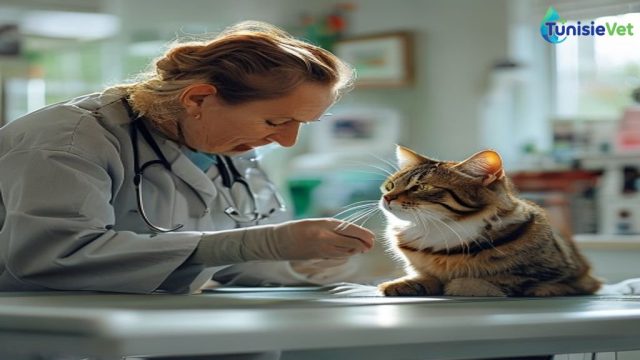
Kidney disease in dogs and cats is one of the most common conditions affecting senior pets. Often silent in its early stages, this chronic kidney disease can progress for months before owners notice any change in behavior. Learning to recognize the early warning signs and adjusting your pet's daily routine can significantly slow the disease's progression and help preserve quality of life for as long as possible.
Recognizing the Early Signs of Kidney Disease
The early signs of kidney disease are usually subtle at first, which is why the condition is often diagnosed only once it has already progressed. That's why it's essential to stay alert to small everyday changes.
- Increased thirst (polydipsia): your pet drinks noticeably more than usual and empties its water bowl faster.
- Increased urination (polyuria): more frequent and larger amounts of urine, sometimes with unusual accidents indoors.
- Gradual loss of appetite, sometimes even refusing foods they normally enjoy.
- Weight loss and muscle wasting despite seemingly normal food intake.
- Fatigue and less enthusiasm for play or walks.
- Dull coat and sometimes unusual bad breath.
- Occasional vomiting, especially at more advanced stages.
These symptoms aren't specific to kidney disease and can point to other conditions. That's why a veterinary diagnosis is essential as soon as these signs appear, particularly in senior dogs and cats, who are at higher risk.
Diet Adjustments to Slow Disease Progression
Once diagnosed, diet for cats with kidney disease (and dogs) becomes a central part of managing the condition. Since the kidneys are responsible for filtering waste products from protein metabolism, reducing their workload helps preserve the nephrons that are still functioning for longer.
Key Dietary Principles
- A diet with an appropriate, high-quality protein content, rather than simply cutting protein intake drastically.
- Reduced phosphorus levels, which are often recommended to help slow disease progression.
- Enough calories to prevent muscle loss, a common risk in sick animals that eat less.
- Smaller, more frequent meals rather than one or two large ones, which tend to be better tolerated by pets with a reduced appetite.
- Avoiding sudden diet changes: any transition should happen gradually over several days.
There's no one-size-fits-all solution: the diet needs to be tailored to the stage of the disease, the animal's weight, appetite and preferences, always in consultation with a veterinarian.
Hydration: A Key Part of Daily Management
Hydration for dogs with kidney disease (and cats) is just as important as diet. A pet with kidney disease loses more water and is more prone to dehydration, which puts extra strain on already weakened kidneys.
- Place several fresh water bowls around the house in easily accessible spots.
- Favor wet food over dry food when possible, since it naturally provides more moisture.
- Use a water fountain to encourage cats to drink, as they're often more drawn to moving water.
- Keep track of daily water intake to spot any unusual changes.
- In cases of significant dehydration, your vet may recommend subcutaneous fluid therapy, which can sometimes even be done at home after proper training.
Daily Kidney Care: Routine and Monitoring
Effective day-to-day kidney disease management relies on consistency and close observation. Here are a few habits worth adopting:
- Weigh your pet regularly to catch any weight loss early.
- Keep track of water intake and the appearance of urine.
- Stick closely to the prescribed diet plan, without sudden changes.
- Schedule regular vet check-ups to monitor kidney function over time.
- Minimize stress, which can worsen appetite loss and overall comfort.
Every animal responds differently, and working with a professional allows treatment to be adjusted over time. Consulting a veterinarian near you as soon as suspicious signs appear remains the best way to stay ahead of the disease and adapt care promptly.
Can Kidney Disease Be Prevented in Dogs and Cats?
Preventing kidney disease mainly comes down to good hydration throughout your pet's life, a quality diet, and regular health check-ups starting in the senior years. While no risk can be completely eliminated, these habits often lead to earlier detection, which is key to slowing the disease's progression.
Leave a comment
Be the first to comment on this article.

TunisieVet in your pocket 📱🐾 Access your veterinary services wherever you are. [ Download the app ]
Learn more