
Eye Problems in Dogs and Cats: Warning Signs to Watch
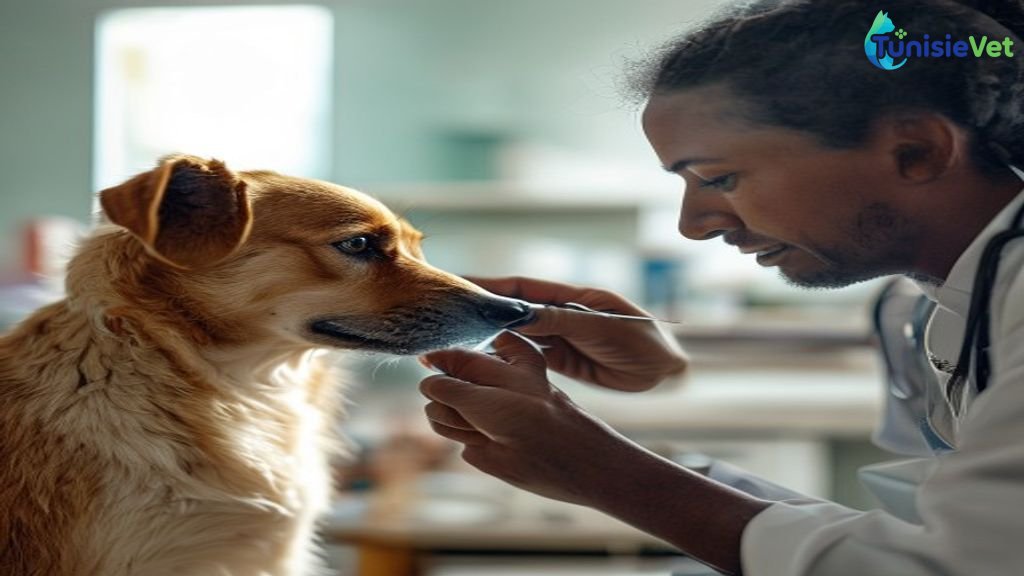
Eye problems in dogs and cats are among the most common reasons pet owners seek veterinary care, and Tunisia's climate - dust, sandy winds, intense summer light - only makes things worse. A red, watery or half-closed eye is never something to shrug off: the eye is a delicate organ where a minor irritation can quickly turn into a serious injury if it's not treated in time. This guide will help you recognize the warning signs and know when it's time for an emergency visit.
Warning signs that call for a vet visit
A dog or cat with healthy eyes has clear, normally open eyes with no unusual discharge. Certain warning signs in your pet's eyes should prompt you to act quickly:
- Redness of the white of the eye or the eyelids
- Thick, yellowish or greenish discharge
- An eye that stays shut or excessive blinking
- Your pet rubbing its eye with a paw or against the floor
- A cloudy, bluish or whitish appearance of the cornea
- Pupils of different sizes between the two eyes
- Unusual sensitivity to light
- Apparent difficulty moving around or judging distances, suggesting vision loss
If you notice any of these signs, don't wait: some eye conditions can progress within hours into serious complications, including permanent loss of the eye.
Conjunctivitis, a very common issue
Conjunctivitis in pets shows up as redness, swelling and discharge on the membrane lining the inside of the eyelids. It can have several causes: irritation from dust and sand, so common in Tunisia, allergies, bacterial or viral infection, or a foreign body trapped under the eyelid.
In cats, conjunctivitis is often linked to upper respiratory infections, which are common in stray or recently adopted cats. In dogs, exposure to wind and long facial hair can encourage chronic irritation. Gently cleaning the area with a saline-soaked compress can bring temporary relief, but proper treatment (usually specific drops or ointments) requires a veterinary diagnosis, since some human eye drops are unsuitable or even dangerous for an animal's eyes.
Corneal ulcers: an emergency you shouldn't ignore
A corneal ulcer in cats and dogs is an injury to the transparent surface of the eye, often caused by trauma (a scratch from another animal, a thorn, a twig), excessive rubbing, or a complication from infection. Typical signs include a painful, closed, watery eye, sometimes with a dull or slightly cloudy-looking cornea.
An untreated ulcer can deepen within days and threaten the integrity of the eye. This is a genuine veterinary emergency: no home remedy should ever be attempted, and you should avoid at all costs touching the eye or applying any product without professional advice.
Cataracts: when the lens turns cloudy
Cataracts in dogs and cats cause a progressive clouding of the lens, giving the eye a bluish or milky-white appearance. They mainly affect older animals, but can also occur in younger ones depending on their predisposition. Vision gradually declines, and your pet may hesitate on stairs, bump into things, or seem less comfortable in the dark.
Cataracts shouldn't be confused with nuclear sclerosis, a natural aging process of the lens that also gives it a slightly bluish tint without significantly affecting vision. Only a veterinary exam can tell the difference and determine whether treatment is needed.
Dry eye: a sneaky problem
Dry eye in dogs (keratoconjunctivitis sicca) results from insufficient tear production. The eye becomes dull, a thick, sticky discharge appears, and the cornea can become chronically irritated due to a lack of lubrication. Some long-haired breeds or those with prominent eyes are more prone to it. In the dry, windy climate found in many parts of Tunisia, this condition can worsen faster than elsewhere.
Regular veterinary check-ups make it possible to diagnose this issue and set up appropriate care to preserve the eye's comfort and health in the long run.
Preventing eye problems day to day
A few simple eye care habits for pets can help reduce the risk of irritation, especially given the dust and sun so common in Tunisia:
- Gently clean around the eyes with a clean compress and saline solution if you notice dust or mild discharge
- Avoid leaving your pet exposed for long periods to sandy winds without supervision, especially young animals
- Regularly trim the fur around the eyes in long-haired breeds to reduce rubbing
- Check your pet's eyes daily, especially for older animals or those at higher risk
- Never use human eye drops or any unprescribed product without veterinary advice
- See a vet as soon as an unusual sign appears rather than waiting for it to worsen
Regular veterinary check-ups remain the best way to catch an eye problem early, before it becomes painful or irreversible. If you notice any of the signs mentioned above in your dog, you can check the list of vets for dogs; for a cat, the list of vets for cats will help you quickly find a professional near you.
Should you worry about a simple watery eye?
Mild, occasional tearing without redness or apparent discomfort is often harmless and can simply be caused by dust or wind. However, if it lasts more than a day or two, comes with thick discharge, redness, or signs of discomfort, it's best to see a vet promptly to rule out an infection or a more serious injury.
Need a professional opinion? If in doubt or in an emergency, find a veterinarian near you on TunisieVet.
Leave a comment
Be the first to comment on this article.