
Chicken Diseases: Warning Signs and Coop Health Tips
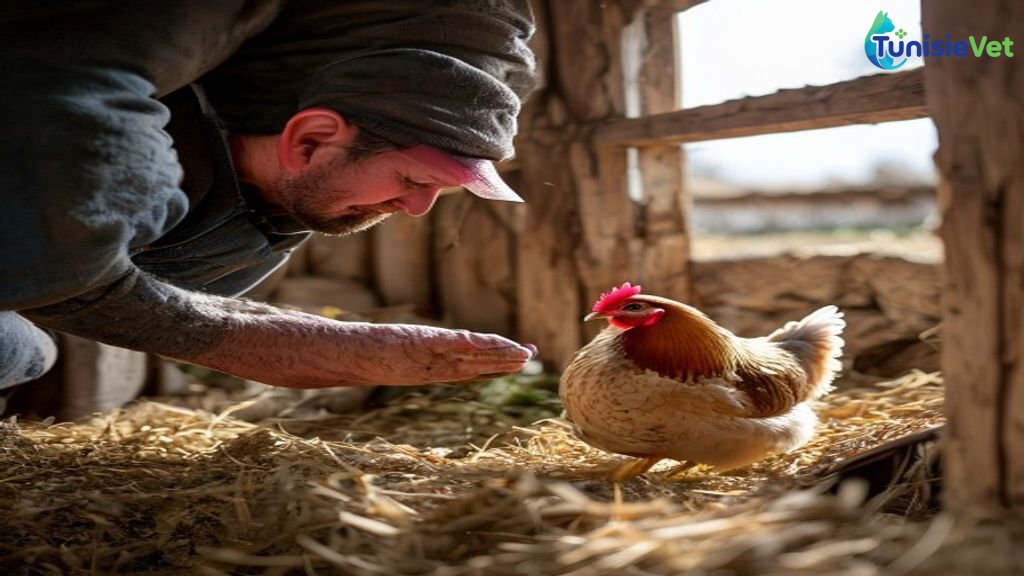
Chicken diseases are one of the top concerns for any poultry keeper, whether you're running a small backyard flock or a larger operation. Chickens, roosters, ducks and turkeys share common vulnerabilities to respiratory and parasitic conditions, often made worse by overcrowding and damp conditions. Learning to spot early warning signs and adopting good hygiene habits is key to maintaining long-term flock health and preventing disease from spreading through the whole group.
The most common respiratory diseases in poultry
Poultry airways are particularly fragile, especially in coops that are poorly ventilated or too dusty. Respiratory conditions usually show up as:
- Nasal or eye discharge
- Sneezing and noisy or wheezy breathing
- Coughing or audible rattling, especially in the evening
- Swelling of the face or sinuses
- Reduced appetite and lower egg production
These symptoms can stem from various causes (bacterial, viral, or irritation from ammonia released by soiled bedding). As soon as these signs appear, it's essential to isolate the affected bird to limit contagion and monitor how things develop over the following hours.
Aggravating factors to watch out for
- Damp or overly old bedding
- An overcrowded coop without enough space per bird
- Cold drafts combined with poor insulation
- Sudden temperature changes, particularly during seasonal transitions
Internal and external parasites: an ongoing risk in chicken keeping
Parasites are the other major category of health issues seen in chicken keeping. There are two main types to know about:
External parasites
Red mites, lice and other skin and feather parasites cause itching, feather loss, restlessness at night and sometimes anaemia in cases of heavy infestation. They often hide in cracks in perches and nesting boxes, which is why regular, thorough cleaning of these areas is so important.
Internal parasites
Intestinal worms affect digestion and the bird's overall condition. Telltale signs include:
- Gradual weight loss despite a normal appetite
- Dull feathers and an unkempt appearance
- Diarrhoea or abnormal droppings
- A drop in egg laying
Regular deworming, tailored to the parasites' life cycle and local climate, remains a basic preventive measure recommended by animal health professionals.
Warning signs you should never ignore
Certain symptoms should immediately alert the keeper, as they may point to a serious or contagious disease:
- Sudden or unusual deaths within the flock
- Prostration, lethargy and reluctance to move
- Greenish or bloody diarrhoea
- Lameness or trouble standing
- A sharp drop in egg laying over several days
When faced with these signals, quickly isolating the suspect birds and consulting a professional is the best course of action. An accurate diagnosis makes it possible to adjust treatment and avoid greater losses. It's advisable to reach out to veterinarians specialised in chicken care for guidance tailored to your flock.
Best practices for a healthy coop
Prevention remains the cornerstone of any poultry health strategy. Here are the essential habits to build into your daily routine:
- Clean regularly the coop, feeders and waterers
- Refresh the bedding as soon as it becomes damp or smelly
- Ensure good ventilation without exposing the birds to direct drafts
- Avoid overcrowding by giving each bird enough space
- Provide clean, fresh water at all times, changed daily
- Offer a balanced diet suited to each bird's age and production stage
- Quarantine any newcomer for a few days before introducing it to the flock
- Check daily on the behaviour and physical condition of each bird
These simple habits significantly reduce the risk of disease and help catch problems early, before they get worse.
Should you vaccinate your chickens against common diseases?
Vaccination can be part of a prevention programme, alongside good hygiene practices. The choice of vaccines and the schedule to follow depend on many factors specific to each flock. It's therefore best to seek a vet's advice to set up a personalised protocol rather than vaccinating without proper guidance.
A healthy coop relies above all on the keeper's daily vigilance and on simple, consistent preventive habits. If you have any doubts about your birds' health, don't hesitate to check a directory of veterinarians to find a professional near you.
Leave a comment
Be the first to comment on this article.