
Mastitis in Sheep and Goats: Signs, Prevention, Treatment

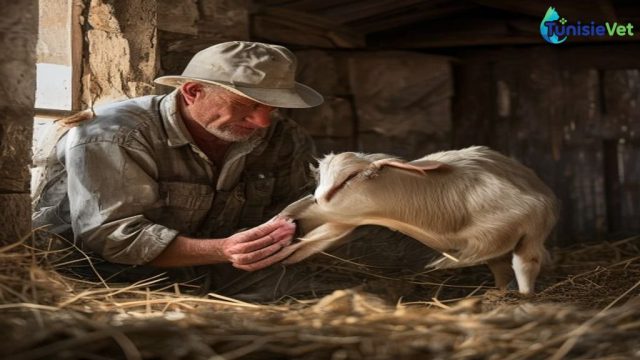
Mastitis in sheep and mastitis in goats are among the most common and costly conditions affecting dairy sheep and goat farms. This inflammation of the udder, often triggered by a bacterial infection, can go unnoticed at first before progressing into a severe form that jeopardizes milk production and animal welfare. Knowing how to spot the early signs, maintaining strict milking hygiene, and applying simple preventive measures can help avoid significant losses and animal suffering.
What is mastitis, and why udder inflammation in ruminants needs close monitoring
Udder inflammation in ruminants occurs when bacteria enter the mammary gland, usually through the teat canal, triggering an inflammatory response. It can remain mild and subclinical (no visible signs, but a drop in milk quality) or become acute, with a swollen, painful udder and clearly abnormal milk. Lactating ewes and does are the most at risk, particularly toward the end of milking, during weaning, or when teat injuries occur.
Untreated mastitis can lead to permanent loss of function in one part of the udder, and in the most severe cases, it can even become life-threatening. This is why daily vigilance from the farmer is the first line of defense.
Recognizing early signs of mastitis in ewes and does
The earlier mastitis is detected, the better the chances of a full recovery. Here are the warning signs to watch for at every milking session or during daily flock and herd checks:
- Udder hardening: one or more sections of the udder become hard, firm, or lumpy to the touch.
- Localized heat: the udder feels abnormally warm compared to the rest of the body.
- Pain and swelling: the animal reacts to touch and may refuse to be milked or to let its young suckle.
- Abnormal secretions: lumpy, watery, blood-tinged, yellowish milk, or milk containing flakes.
- Sudden drop in milk yield from one section of the udder or the entire udder.
- General symptoms in severe cases: fever, lethargy, loss of appetite, and lameness caused by pain.
Regular visual and manual udder checks, before and after milking, help catch these abnormalities before they worsen.
Setting up effective milking hygiene
Whether milking is done by hand or by machine, milking hygiene remains the single most important factor in preventing mastitis.
Best practices for hand milking
- Wash hands thoroughly before handling each animal.
- Clean and dry the teats before milking to remove dirt, bedding, and manure.
- Always milk in the same logical order, starting with healthy animals and finishing with suspected or already infected ones, to prevent the spread of infection.
- Use a clean cloth or wipe per animal, never shared between animals.
- Apply a disinfectant solution to the teat after milking (post-dipping) to help close the teat canal before it naturally seals.
Best practices for machine milking
- Regularly check the pressure settings and the condition of the teat cup liners, which can injure the teat if worn out or poorly adjusted.
- Clean and disinfect all equipment after every milking session.
- Avoid over-milking (leaving units attached too long), which irritates tissue and encourages infection.
- Train anyone operating the machine in the correct technique for attaching and removing the milking cups.
Preventing mastitis day-to-day on the farm
Mastitis prevention on farms relies on a set of simple measures applied consistently:
- Provide clean, dry bedding, changed regularly, to limit contact between the udder and soiled surfaces.
- Ensure good ventilation and enough space in the sheepfold or goat shed to reduce humidity, a key factor in bacterial growth.
- Check the teats after every birth and throughout lactation: cracks, wounds, or warts should be treated promptly.
- Isolate any animal showing suspicious signs to prevent contamination of the rest of the flock or herd through milking equipment or the farmer's hands.
- Adjust feeding to maintain good overall condition and strong immunity, especially during periods of intense lactation.
- Plan for gradual rather than abrupt weaning, since a sudden stop in milking encourages milk stagnation and raises infection risk.
Sheep and goat welfare also depends on calm, regular observation: an animal that stays relaxed and allows handling without apparent pain is often a sign of a healthy udder.
What to do if you suspect mastitis
As soon as suspicious signs appear, it's essential not to wait. Isolating the animal, no longer mixing its milk with the rest of the flock's or herd's milk, and gently massaging the udder to help clear abnormal secretions can bring temporary relief. However, only a professional diagnosis can pinpoint the exact cause and determine the right treatment, including antibiotics if needed, tailored to the animal and the severity of the condition. It's advisable to promptly consult veterinarians specializing in small ruminants or, for mixed flocks that include sheep, the directory of veterinarians for sheep to get advice suited to your flock's situation.
Can mastitis heal without treatment?
Some mild, subclinical cases may occasionally improve on their own if hygiene is immediately stepped up. However, without proper intervention, mastitis is likely to worsen, cause lasting damage to the udder, or spread. Seeking veterinary advice remains the safest way to protect the animal's health and the flock's or herd's milk production.
Need a professional opinion? If in doubt or in an emergency, find a veterinarian near you on TunisieVet.
Leave a comment
Be the first to comment on this article.

TunisieVet in your pocket 📱🐾 Access your veterinary services wherever you are. [ Download the app ]
Learn more