
Dog and Cat Obesity: Warning Signs and Lasting Fixes
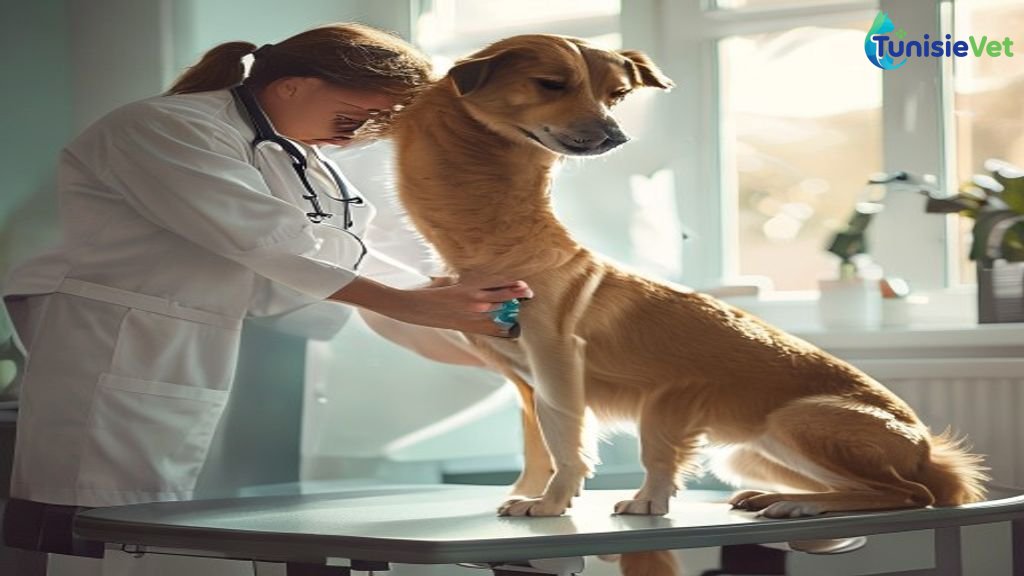
Dog and cat obesity has become one of the most common reasons for vet visits, regardless of breed or living environment. An overweight pet often looks simply "well fed" to its owner, when in fact it's carrying extra kilos that weigh heavily on its health and life expectancy. Learning to spot the early signs and act quickly, without guilt-tripping or frustrating the animal, makes all the difference in reaching a lasting ideal weight for pets.
How to tell if your dog or cat is overweight
The number on the scale isn't always the best indicator, since it varies by breed, size and muscle mass. Professionals instead rely on a visual and hands-on check called body condition scoring, something any attentive owner can learn to do.
Physical signs to watch for
- You can't easily feel the ribs under light hand pressure.
- No visible waistline when looking at the animal from above (a "barrel-shaped" silhouette).
- A belly that sags or no longer tucks up toward the hind legs, seen from the side.
- Visible fat deposits at the base of the tail, on the neck, or along the lower back.
- Getting out of breath quickly after playing or a short walk.
Behavioural changes that give it away
- Less enthusiasm for playing, jumping, or climbing stairs.
- Trouble grooming properly, especially in cats.
- Sleeping more and a general drop in spontaneous activity.
Why pet overweight is a genuine health risk
Pet overweight is never just a cosmetic issue. Extra weight constantly strains the joints, heart and lungs, and encourages metabolic disorders. Among the most well-documented risks of pet obesity:
- Premature joint wear and chronic pain, especially in large-breed dogs.
- Breathing difficulties and lower tolerance for exercise, a real concern during hot months.
- Extra strain on the heart and the body's internal regulation systems.
- Higher risk of blood sugar regulation problems.
- An overall drop in life expectancy and day-to-day quality of life.
These risks justify early action as soon as the first signs appear, rather than waiting until the weight gain becomes severe.
Balanced nutrition and the everyday habits that pile on the pounds
Most cases of pet overweight come down to a simple imbalance: more energy coming in from food than is being burned through physical activity. Several everyday habits quietly feed this imbalance.
Common feeding mistakes
- Piling on treats and table scraps on top of regular meals.
- Leaving the bowl out all day instead of sticking to set mealtimes.
- Not adjusting portions for age, neutering status, or reduced activity levels.
- Underestimating the calories in premium kibble or "extra" supplements.
Building a balanced diet for your pet
- Weigh portions rather than eyeballing them.
- Choose food suited to the animal's age and actual activity level.
- Keep treats for occasional or training use only, and reduce the main portion accordingly.
- Split meals into smaller portions to avoid long gaps without food, which often lead to overeating later.
Setting up a natural, sustainable weight management plan
A successful natural weight management plan relies on consistency rather than sudden changes, which pets often tolerate poorly and rarely stick with long-term.
Adapting exercise to the climate and lifestyle
Exercise for dogs and cats should be planned around the season. During hot weather, it's safer to walk early in the morning or in the evening, sticking to shaded areas and avoiding intense effort in the middle of the day. For cats, short bursts of play with feather wands or balls burn energy without requiring any time outdoors.
Practical steps to lose weight without frustration
- Have a professional assess your pet's body condition to set a realistic target.
- Reduce portions gradually rather than cutting them abruptly.
- Increase the frequency of play and outings, even short ones.
- Use food puzzle toys to slow down eating and keep the mind active.
- Weigh your pet regularly to track progress rather than waiting for a one-off check-up.
Veterinary follow-up remains essential to rule out any underlying medical cause and to tailor the feeding plan to each animal. It's a good idea to consult veterinarians for dogs or veterinarians for cats to set up a personalised, safe weight-loss programme.
How long does it take for a dog or cat to lose weight?
Weight loss should always be gradual: losing weight too fast can harm your pet's health. In practice, a slow, steady pace combined with veterinary follow-up is the safest way to reach a stable, healthy weight without rebound effects or frustration for the animal.
Need a professional opinion? If in doubt or in an emergency, find a veterinarian near you on TunisieVet.
Leave a comment
Be the first to comment on this article.