
Dog and Cat Obesity in Tunisia: Signs and Solutions
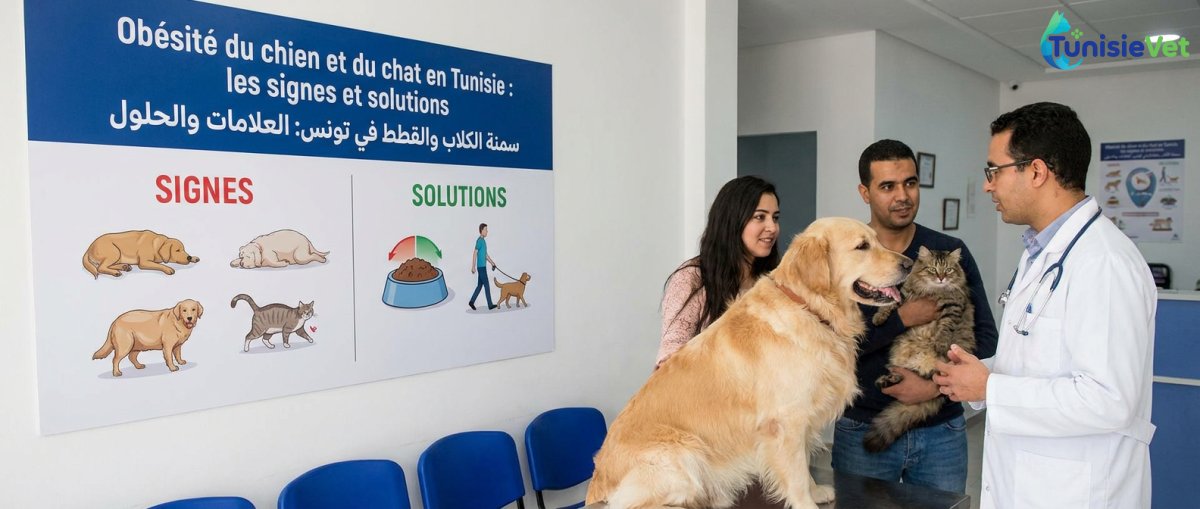
Dog and cat obesity in Tunisia is affecting more and more households, especially in big cities where pets get little exercise and often share family meals. Recognizing overweight in dogs and cats early on helps prevent health complications and gives your companion a longer, more comfortable life. Here's a practical guide to spotting the warning signs and setting up a safe, gradual weight-loss plan.
How to Recognize the Signs of Overweight in Pets
Before talking about diets, you need to know how to observe your pet. Some signs are visible to the naked eye, others can only be detected by touch.
- You can't feel the ribs under light pressure from your hand.
- No visible "waist" when viewed from above — the body forms an oval shape rather than a defined silhouette.
- A belly that sags or nearly touches the ground in dogs.
- Getting out of breath quickly after moderate effort or simply climbing stairs.
- Difficulty grooming properly in cats, with a dull or neglected coat on the back.
- General tiredness, less enthusiasm for playing or going for walks.
If several of these signs are present, it's time to act before the extra weight becomes a risk factor for the joints, heart, or metabolism.
Common Causes of Overweight Pets in Tunisia
A Diet That Isn't Always Suitable
Many owners feed their dogs or cats with table scraps, bread, couscous, or sauce-based dishes, which are often high in fat and carbohydrates. These foods aren't designed to meet an animal's actual nutritional needs and contribute to gradual weight gain, especially when added on top of an already complete diet.
Lack of Exercise, Especially in Cities
In apartments or houses without a garden, pets naturally have fewer opportunities to burn energy. The lack of regular outings, combined with long hours of inactivity, sharply reduces daily energy expenditure.
The Effect of Climate
The heat that settles in for much of the year in Tunisia leads many owners to cut back on walks or outdoor play during the hottest hours. If no alternative is offered during cooler times (early morning or evening), the animal ends up combining inactivity with a steady diet, which encourages weight gain.
How to Help Your Dog or Cat Lose Weight Safely
Weight loss should always be gradual. Losing weight too quickly can be dangerous, particularly in cats, where strict fasting or a sudden reduction in food intake can trigger serious liver problems.
- Have your pet's ideal weight assessed by a veterinarian, who will take into account its breed, age, and body type.
- Adjust food portions gradually rather than cutting them drastically.
- Cut out table scraps and treats given outside of main meals.
- Split meals into several small portions throughout the day to avoid intense feelings of hunger.
- Switch to a diet suited to weight management, higher in fiber and lower in calories, based on professional advice.
- Weigh your pet regularly to track progress and adjust the plan as needed.
Physical Exercise, an Essential Ally
Exercise for dogs and cats is just as important as diet when it comes to managing weight. For dogs, regular walks during cooler hours, games of fetch, or longer outings help gently boost energy expenditure. For cats, who are often less inclined to go outside, activity can be encouraged with interactive toys, short but frequent play sessions throughout the day, or vertical spaces that encourage them to move around more at home.
Consistency matters more than intensity: short daily sessions are far better than a single exhausting burst of activity that an already overweight animal might struggle to tolerate.
Why You Should Consult a Vet Before Starting a Diet
Before making any changes to diet or increasing physical activity, it's essential to have your pet examined. Overweight can sometimes mask a hormonal disorder or another underlying cause, and only a professional can design a weight-loss plan that's truly suitable and safe. You can check the veterinarians available in Tunisia to get a personalized weight assessment and support throughout the program.
How Long Does It Take for a Dog or Cat to Lose Excess Weight?
Weight loss should remain slow and gradual, spread over several weeks or even several months depending on how much weight needs to be lost. Losing weight too fast puts strain on the body and can be risky, especially for cats. Patience and consistency remain the best guarantees of a lasting result without relapse.
Leave a comment
Be the first to comment on this article.