
Sheep and Goat Parasites: Deworming Small Ruminants Right

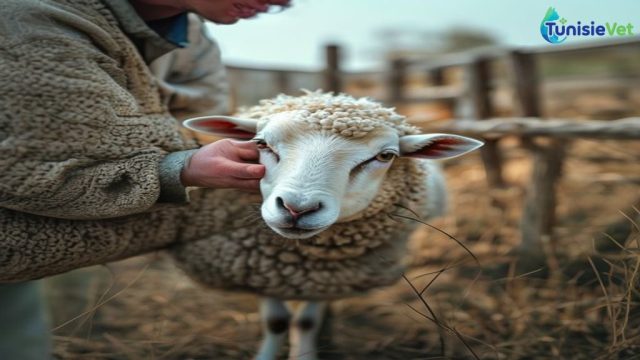
Sheep and goat parasites are among the leading causes of economic loss in small ruminant farming. Gastrointestinal worms, roundworms (strongyles), liver fluke and tapeworms quietly weaken animals, slow the growth of lambs and kids, and reduce both milk and meat production. Understanding their life cycle and adopting a sensible deworming strategy for small ruminants helps keep the flock healthy while preventing resistance to treatments.
The main internal parasites affecting sheep and goats
Sheep and goats can host several families of internal parasites, often present at the same time within a single flock.
- Gastrointestinal strongyles: these small worms living in the abomasum and intestines cause diarrhea, weight loss and reduced appetite, especially in young animals.
- Liver fluke: this flatworm settles in the liver and causes fatigue, anemia and weight loss; its presence is encouraged by wet areas and stagnant water where animals graze.
- Tapeworms (cestodes): less harmful individually, they can still contribute to poor overall condition in young animals.
- Coccidia: although not worms in the strict sense, these microscopic parasites particularly affect weaned lambs and kids and can cause severe diarrhea.
Clinical signs and impact on production
Poorly controlled internal parasitism rarely causes mass mortality; instead, it tends to show up as a gradual, insidious decline in flock performance.
- Weight loss despite normal access to food
- Dull coat or fleece, dry skin
- Persistent diarrhea, sometimes tinged with mucus
- Anemia visible through pale mucous membranes (eyelids, gums)
- Stunted growth in young animals, reduced milk production in females
- Swelling under the jaw ("bottle jaw"), a sign suggestive of a heavy strongyle infestation
Since these symptoms are fairly non-specific, an accurate diagnosis usually requires a fecal examination carried out by a professional, in order to identify the parasite involved and adjust treatment accordingly.
Dewormer for goats and sheep: when and how to treat
The choice of dewormer for goats or sheep depends on the target parasite, the time of year and the flock's history. A few general principles, widely accepted in veterinary practice, are worth keeping in mind:
- Don't automatically treat the whole flock: targeted deworming, based on the animals' clinical condition and, where possible, on fecal egg counts, helps limit the development of resistance to antiparasitic drugs.
- Follow recommended dosages based on the animal's actual weight, since underdosing is precisely what encourages resistant parasites to emerge.
- Adjust the treatment schedule to high-risk periods: turnout to pasture in spring, the wet season favorable to liver fluke, and weaning, when young animals are more vulnerable to coccidia.
- Rotate drug families across seasons, under veterinary supervision, rather than always using the same product.
- Isolate and treat new animals before introducing them to the flock, to avoid bringing in new parasites or resistant strains.
Prevention and pasture management
Prevention relies as much on pasture management as on medical treatment.
- Rotate grazing paddocks: alternating grazing areas helps break the development cycle of larvae present on the grass.
- Avoid overgrazing: grass grazed too short increases the risk of ingesting larvae, which tend to concentrate near the ground.
- Keep water sources clean: limiting access to wet, marshy areas reduces exposure to liver fluke.
- Separate young animals from adults whenever possible, since lambs and kids are more vulnerable to heavy infestations.
- Provide a balanced diet and clean water at all times, as a well-fed animal copes better with a moderate parasite burden.
- Regularly clean bedding and buildings to limit the persistence of eggs and larvae in the environment.
Careful daily observation of the flock — condition of the fleece, behavior, appetite, and consistency of droppings — remains the simplest and most accessible monitoring tool for any farmer.
Should you run a test before deworming?
Yes, whenever possible. A fecal egg count (stool analysis) makes it possible to precisely identify the parasite(s) present and assess the severity of the infestation. This avoids unnecessary treatment and helps choose the most suitable product, while limiting the development of resistance.
Internal parasitism in small ruminants should never be taken lightly: its effects on growth, reproduction and milk production can be significant even without dramatic symptoms. If you notice persistent symptoms, or want to set up a deworming plan tailored to your flock, it's strongly recommended to consult a veterinarian specialized in sheep or a veterinarian for goats, who can provide a reliable diagnosis and a sound treatment protocol.
Need a professional opinion? If in doubt or in an emergency, find a veterinarian near you on TunisieVet.
Leave a comment
Be the first to comment on this article.

TunisieVet in your pocket 📱🐾 Access your veterinary services wherever you are. [ Download the app ]
Learn more