
Hair Loss in Dogs and Cats: Causes and Simple Fixes
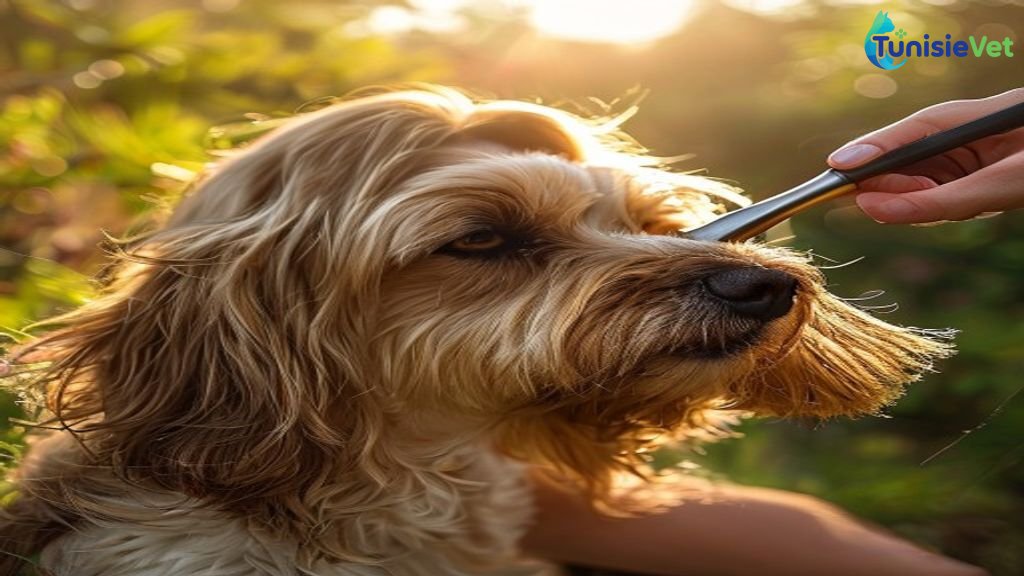
Hair loss in dogs and hair loss in cats often worries pet owners, especially when the seasons change. Rest assured: in most cases, it's simply a normal seasonal shedding cycle. But sometimes this shedding points to a skin problem, parasites, or stress. This guide will help you tell the difference and adopt the right prevention habits to keep your companion's skin healthy and coat shiny.
Seasonal Shedding: A Natural Process, Not a Disease
Dogs and cats naturally renew their coats in spring and autumn to adapt to changes in temperature and daylight. The Mediterranean climate, with its very hot summers and mild winters, can intensify these shedding periods, sometimes making them longer or heavier than in regions with a stable temperate climate.
- Shedding affects the whole body evenly.
- The skin stays pink, with no redness, wounds, or scabs.
- The animal doesn't scratch excessively.
In this case, regular brushing is usually enough to support the process and cut down on the fur left on your sofa.
Alopecia in Pets: When Hair Loss Becomes a Concern
We talk about alopecia when hair loss creates bald patches, whether localized or asymmetrical, sometimes accompanied by redness, scabs, or intense itching. Several causes can explain it:
External Parasites
Fleas, ticks, and the mites responsible for mange are common causes of itching and localized hair loss, especially during warm periods when these parasites multiply more readily. A pet that scratches, nibbles, or licks itself repeatedly needs up-to-date parasite prevention, and a vet's opinion if the lesions persist.
Allergies
Food allergies, flea bite allergies, or environmental allergies (pollen, house dust mites) can trigger skin inflammation and hair loss from scratching. These allergies are often seasonal and tend to come back around the same time every year.
Stress and Anxiety
In cats especially, excessive licking linked to stress (a change of environment, a new pet at home, boredom) can cause localized hair loss, particularly on the belly and legs. This is sometimes called psychogenic alopecia.
Skin Conditions and General Health Issues
Fungal infections (ringworm), hormonal imbalances, or nutritional deficiencies can also weaken the coat. Poor-quality food lacking in essential fatty acids often results in a dull, brittle coat.
Healthy Skin for Dogs and Cats: Everyday Prevention Habits
A few simple habits can help limit excessive hair loss and keep your pet's skin healthy:
- Brush your pet regularly, more often during shedding season, to remove dead hair and stimulate skin circulation.
- Provide a balanced diet, suited to your pet's age and breed, rich in quality protein and essential fatty acids that support a healthy coat.
- Keep parasite prevention up to date all year round, since fleas and ticks stay active even outside the hottest months.
- Make sure fresh water is always available, especially during hot weather, to prevent dehydration, which also affects coat quality.
- Reduce stress by providing a stable environment, calm resting spots, and regular playtime.
- Avoid bathing too often with unsuitable products, which can dry out the skin and weaken the coat.
When Should You See a Vet?
Seasonal shedding doesn't require a special visit to the vet. However, it's best to seek advice quickly if you notice bald patches, redness, scabs, intense itching, or hair loss that keeps getting worse despite your care. An accurate diagnosis helps rule out parasites, allergies, or underlying conditions, and allows for the right treatment to be put in place. Feel free to check our directory of vets for dogs or vets for cats to find a professional near you.
Is Hair Loss Always a Sign of Illness?
No. Most hair loss is linked to normal seasonal shedding, especially in spring and autumn. It only becomes a concern when it comes with bald patches, itching, or skin lesions—signs that it's worth having a vet take a look.
Need a professional opinion? If in doubt or in an emergency, find a veterinarian near you on TunisieVet.
Leave a comment
Be the first to comment on this article.