
Dog & Cat Digestive Problems: Signs, Causes, Remedies

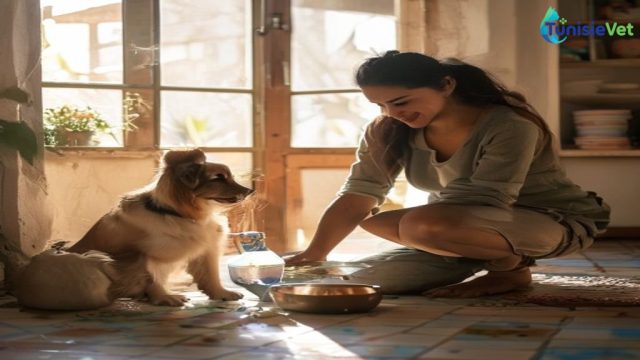
Dog and cat digestive problems in Tunisia are among the most common reasons for a vet visit, especially during periods of intense heat or when switching foods. Diarrhea, constipation, bloating, or vomiting may seem minor, but they always deserve attention, as they often signal a digestive imbalance that can be prevented with the right daily habits. This practical guide will help you recognize warning signs, understand the main causes linked to our climate and lifestyle, and adopt simple steps to naturally relieve your companion.
Recognizing the Warning Signs of Digestive Trouble
A dog or cat with healthy digestion has regular, well-formed stools and a steady appetite. As soon as these habits change, it's worth paying closer attention.
- Diarrhea: loose or watery stools, sometimes more frequent than usual, possibly accompanied by fatigue.
- Constipation: visible straining to defecate, infrequent, hard, or absent stools for several days.
- Bloating: a swollen belly, taut to the touch, sometimes accompanied by discomfort or restlessness.
- Other signs: repeated vomiting, loss of appetite, lethargy, or frequently trying to go outside to urinate or defecate without success.
An isolated, mild episode isn't necessarily worrying, but symptoms that persist for more than a day or two, or that worsen, should alert the owner.
Diarrhea in Dogs and Cats: Causes and Everyday Prevention
Diarrhea causes and prevention in dogs and cats often starts with identifying the root of the problem. The most common causes include:
- A sudden change in diet, without a gradual transition between two types of food.
- Eating spoiled food or overly rich or spicy table scraps, which are common in Tunisian households used to sharing meals with their pets.
- Stagnant or poor-quality water, especially in summer when outdoor water sources heat up quickly.
- Stress related to travel, a visit, or a change of environment.
- Internal parasites, more common in animals that roam freely outdoors.
To prevent these episodes, it's best to introduce any new food gradually over several days, always offer fresh, clean water renewed daily, and stick to a regular deworming schedule as recommended by a veterinarian.
Constipation in Dogs and Cats: Natural Remedies and Simple Steps
Natural remedies for constipation in dogs and cats often start with simple adjustments before considering any treatment. Here are a few helpful tips:
- Make sure your pet is drinking enough water, especially on hot days when dehydration slows down digestion.
- Encourage regular physical activity, as walking naturally stimulates a dog's intestinal transit.
- With a professional's advice, add a small amount of suitable dietary fiber, such as certain cooked vegetables.
- Avoid giving too many bones, as they can harden a dog's stools.
- For cats, keep the litter box clean, a factor often overlooked that can discourage the animal from using it.
If constipation persists for several days or is accompanied by visible pain, a vet visit becomes necessary.
Bloating and Tunisia's Climate: What's the Link to Diet?
Bloating in dogs and cats in Tunisia is sometimes linked to the heat, which can push some animals to eat or drink too quickly, swallowing excess air in the process. Other factors make this worse:
- Large meals given all at once instead of spread out through the day.
- Intense physical activity right after eating, particularly in large dogs.
- Poor-quality food or food not suited to the animal's species and age.
To limit these issues, it's recommended to split meals into smaller portions, let your pet rest after eating, and choose an easy-to-digest diet for dogs and cats, meaning quality kibble or wet food suited to the animal's size and age.
When Should You See a Vet?
Certain signs call for a prompt vet visit: diarrhea with blood, repeated vomiting, a hard and painful belly, marked lethargy, or a complete absence of stools for several days. These warning signs of digestive trouble can sometimes hide a more serious underlying cause requiring an accurate diagnosis. When in doubt, it's always better to consult a professional than to wait for spontaneous improvement. You can browse the directory of veterinarians available in Tunisia to quickly find a practitioner near you.
My Dog or Cat Has Diarrhea — Should I Withhold Food?
A short, supervised fast followed by a gradual reintroduction of a bland diet can sometimes help with a mild episode in a healthy adult animal. However, for kittens, puppies, or fragile animals, this practice is not recommended without veterinary advice, as it can make the situation worse rather than better.
Leave a comment
Be the first to comment on this article.

TunisieVet in your pocket 📱🐾 Access your veterinary services wherever you are. [ Download the app ]
Learn more