
Stress in Dogs and Cats: How to Calm Your Pet
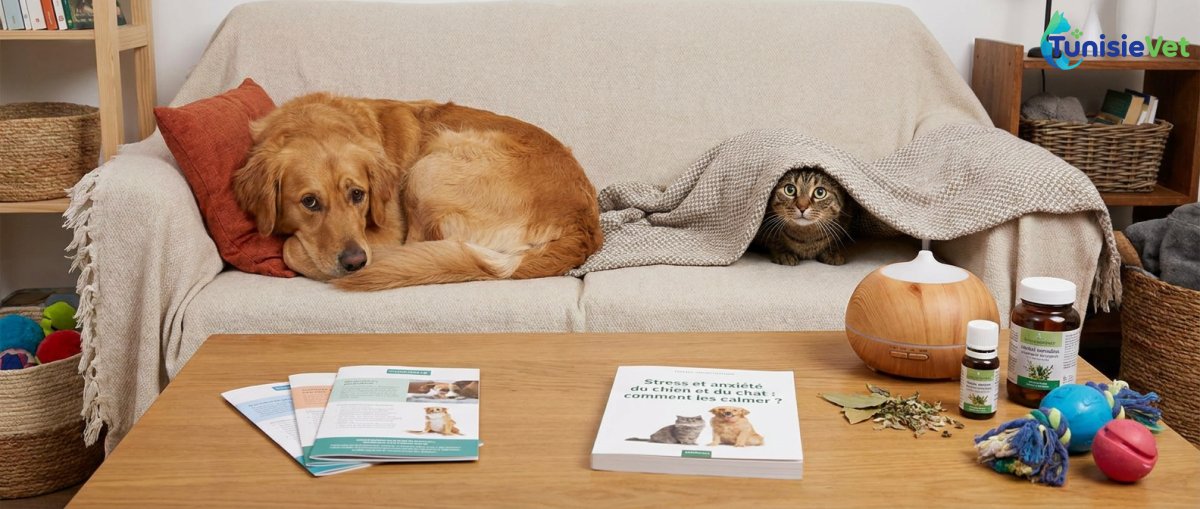
Stress in dogs and cats is more common than most people realize, even among pets that seem to live comfortably in our Tunisian homes. Intense summer heat, fireworks during celebrations, house moves, or long absences from their owners: sources of anxiety are everywhere. Recognizing the signs early and knowing how to respond can prevent discomfort from settling in long-term and turning into genuine behavioral problems.
Recognizing signs of stress in dogs
Dogs express anxiety in several ways, which are often misread as "disobedience" or "naughtiness." Learning to decode these signals is the first step in helping your companion.
- Destructive behavior: chewing furniture, scratching doors, tearing up objects, especially when the owner is away.
- Excessive vocalizing: repeated barking for no apparent reason, whining, or howling when left alone or exposed to loud noises.
- Excessive licking or chewing of the paws, which can cause skin irritation.
- Unusual panting, trembling, restlessness, or, on the contrary, withdrawal and lethargy.
- Loss of appetite or, conversely, compulsive eating.
- Repetitive behaviors such as pacing in circles or chasing their own tail.
Signs of stress in cats: how to spot an anxious cat
Cats, being more discreet animals, often show anxiety in subtler but equally telling ways. Spotting the signs of feline stress requires paying close attention to daily habits.
- Excessive grooming to the point of creating bald patches in the coat (often on the belly or legs).
- Sudden litter box issues: the cat urinates or defecates outside the litter box despite being previously well house-trained.
- Meowing more often or more intensely than usual.
- Prolonged hiding, avoidance of contact, unusual aggression toward humans or other animals.
- Repeated scratching of furniture, urine marking around the house.
- Hair loss, lethargy, or, on the contrary, nighttime hyperactivity.
Main causes of pet anxiety in Tunisia
The Tunisian context brings specific stress factors worth identifying:
- Intense summer heat, which can cause physical discomfort leading to restlessness or lethargy.
- Loud, sudden noises: fireworks, firecrackers during festivities and celebrations, honking horns in busy urban areas.
- Changes in routine: moving house, the arrival of a new pet or a child in the family, or long absences of owners during holidays.
- Lack of mental and physical stimulation, particularly for pets confined to apartments without enough outdoor time.
- Prolonged loneliness, common among pets left alone for long hours due to their owners' work schedules.
- A noisy or unstable environment, especially in homes near busy streets.
How to calm an anxious dog or a stressed cat: practical solutions
Several simple, natural approaches can be applied day to day to improve pet well-being in Tunisia, without automatically resorting to medication:
- Create a safe space: a quiet corner with a bed or an open carrier where the animal can retreat during noise or visitors.
- Keep a stable routine: regular meal times, walks, and playtime reassure the animal and reduce anticipatory anxiety.
- Provide physical and mental stimulation: daily walks for dogs, interactive games and enrichment toys for cats, to channel energy and reduce boredom.
- Adapt the environment to the heat: constant access to fresh water, shaded areas, cool flooring or a damp towel to help the animal regulate its temperature, especially during the hottest months.
- Gradually get them used to loud noises: during noisy festive periods, keeping the animal in a closed room with soft background sounds (radio, fan) can help mask outside noise.
- Avoid punishment for stress-related behaviors, as it often worsens anxiety rather than resolving it.
- Encourage contact and companionship: petting and calm shared moments, without reinforcing excessive dependency.
- Introduce any change (new pet, house move) gradually rather than abruptly.
When to see a vet for a stressed pet
If signs of stress persist despite these adjustments, worsen, or come with physical symptoms (weight loss, licking wounds, digestive issues), it's essential to consult a professional. A veterinarian can rule out any underlying medical cause and offer suitable behavioral support. To find a practitioner near you, the directories of veterinarians for dogs and veterinarians for cats make it easy to find a qualified professional in Tunisia.
Can stress make a dog or cat sick?
Yes, chronic, untreated stress can weaken an animal's natural defenses and contribute to lasting digestive, skin, or behavioral issues. That's why it's important to act at the first signs rather than wait for the situation to worsen.
Need a professional opinion? If in doubt or in an emergency, find a veterinarian near you on TunisieVet.
Leave a comment
Be the first to comment on this article.