
Dog & Cat Tartar: Simple Steps to Protect Their Teeth
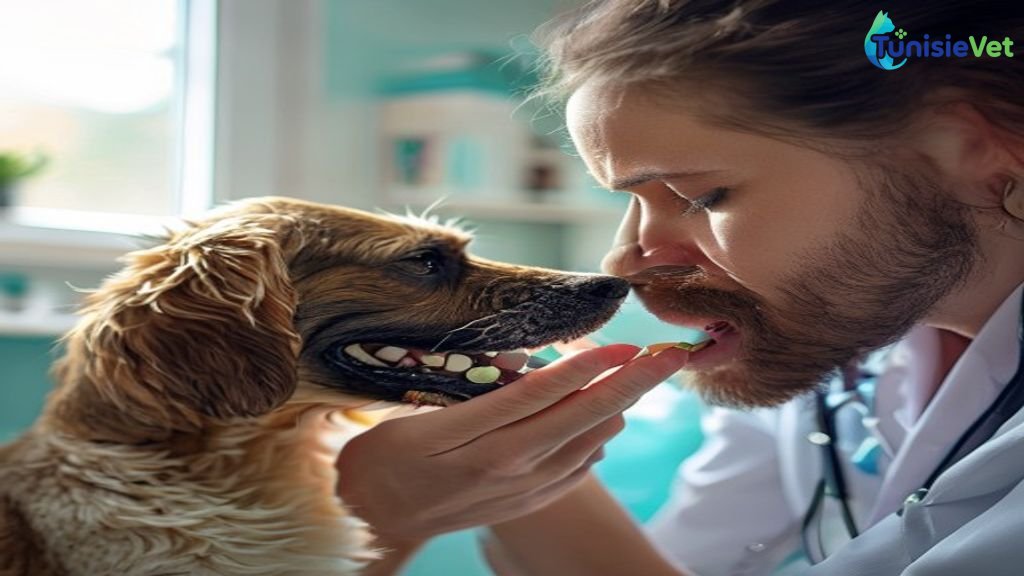
Dog tartar and the buildup of dental plaque in cats are far more common problems than most people realize, yet they're widely underestimated by pet owners. Poor dental hygiene in cats or dogs doesn't just cause bad breath: it can lead to pain, infections, and eventually affect the animal's overall health. Fortunately, a few simple, regular habits can prevent most of these issues.
Why oral health matters so much
A dog's or cat's mouth is a gateway for countless bacteria. When dental plaque isn't regularly removed, it mineralizes and hardens into tartar, a rough, tough layer that clings to the tooth surface and beneath the gumline. This process encourages gum inflammation, known as gingivitis, which can progress into more severe periodontal disease if left untreated.
Beyond local discomfort, poorly maintained pet teeth can have wider consequences: chronic pain, difficulty eating, tooth loss, and in some cases, oral bacteria entering the bloodstream and affecting other organs. Taking care of your companion's teeth is therefore part of supporting their overall wellbeing and long-term quality of life.
Spotting the signs of tartar and gingivitis
Certain warning signs should prompt owners to take a closer look at their pet's mouth:
- Persistent bad breath, more noticeable than usual
- Yellowish or brownish deposits visible at the base of the teeth
- Red, swollen gums that bleed easily
- Excessive drooling or unusual salivation
- Trouble chewing, hesitation at the food bowl, chewing on only one side
- Pawing at the muzzle, a possible sign of oral discomfort
These symptoms should never be ignored, even if they seem mild at first. Untreated gingivitis can progress silently and become painful for the animal, who often tends to hide their discomfort.
Factors that encourage tartar buildup
Certain breeds, particularly those with short muzzles or crowded teeth, are more prone to tartar buildup. Age also plays a role: the older an animal gets, the higher the risk of buildup if no regular care routine is in place. Finally, a diet made up entirely of soft food, with no texture to chew on, can encourage plaque buildup compared to a diet that includes some kibble or dental chews.
Home care habits worth adopting
The good news is that preventing tartar comes down to simple habits, as long as they're kept up regularly:
- Tooth brushing: ideally several times a week, using a toothbrush designed for pets and toothpaste specially formulated for them (never human toothpaste, which can be toxic). Getting your pet used to it gradually, from a young age if possible, makes the process much easier to accept.
- Chew toys and dental treats: these help mechanically limit plaque formation by rubbing against the tooth surface during chewing.
- A suitable diet: some kibble is designed with a specific texture that promotes mechanical cleaning of the teeth while chewing.
- Regular visual checks: gently opening your pet's mouth once a week to check the state of their teeth and gums helps you catch any changes early.
- Professional dental cleaning: once tartar has already built up, only a professional cleaning can truly remove it; brushing at home helps prevent tartar but won't remove what's already formed.
Adjusting habits to suit each animal
Every animal adapts at its own pace. Some cats don't take well to having their mouth handled: in that case, starting with short familiarization sessions using your fingers, then gradually introducing a soft brush, works better than a rushed approach. For dogs, pairing brushing with a calm, positive moment, followed by a reward, helps turn it into a pleasant routine rather than something to dread.
If you notice signs of advanced gingivitis, visible pain, or what looks like a significant buildup of tartar, it's best to see a professional promptly. A vet can assess your companion's oral health and, if needed, recommend a professional cleaning under veterinary supervision. You can find a qualified practitioner through the directory of veterinarians for dogs or veterinarians for cats, depending on your companion.
How often should your pet's teeth be checked?
A dental check during routine veterinary visits is generally recommended, alongside regular observation at home. This frequency can vary depending on the animal's age, breed, and overall health. If you notice anything unusual or are unsure, don't wait for the next scheduled appointment to seek advice.
Need a professional opinion? If in doubt or in an emergency, find a veterinarian near you on TunisieVet.
Leave a comment
Be the first to comment on this article.