
Dog and Cat Tartar: Simple Steps to Protect Their Teeth
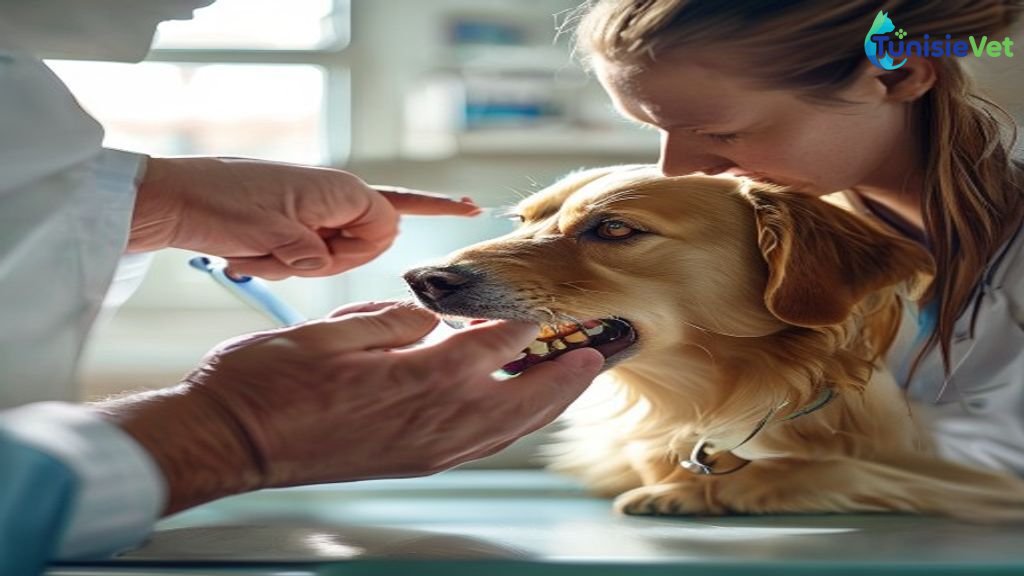
Dog tartar and dental issues in cats are among the most common—yet most overlooked—health concerns affecting our four-legged companions. Good dental hygiene for cats and dogs isn't just about avoiding bad breath: it also protects the heart, kidneys, and overall quality of life of your pet. Here's why your companion's mouth deserves your full attention, and how to take simple action at home.
Why oral health is essential
The mouth is a gateway to the entire body. When tartar builds up on your pet's teeth, it encourages bacteria to multiply, and these bacteria can eventually enter the bloodstream. From there, they may affect vital organs such as the heart or kidneys. A painful mouth can also cause an animal to eat less, become irritable, or even lose weight without the owner immediately understanding why.
In both dogs and cats, dental problems often develop silently for a long time before visible signs appear. That's why prevention and regular monitoring are your pet's best allies for long-term wellbeing.
Spotting the signs of tartar and gum disease
Certain warning signs should prompt you to take a closer look at your pet's mouth:
- Persistent bad breath, stronger than usual
- Yellowish or brownish buildup at the base of the teeth (tartar)
- Red, swollen gums that bleed easily (signs of gingivitis)
- Excessive drooling or saliva tinged with blood
- Difficulty chewing, or favoring one side of the mouth
- Reduced appetite or refusal to eat dry kibble
- A visibly loose or broken tooth
- Unusual pawing at the muzzle
If you notice several of these symptoms, it's best not to wait: a check-up allows the severity to be assessed and prevents the situation from worsening.
At-home dental care habits to adopt
Brushing: the number one habit
Regular tooth brushing remains the most effective way to limit plaque buildup before it hardens into tartar. A few tips to get it right:
- Use only toothpaste specifically formulated for dogs or cats (never human toothpaste, which can be toxic if swallowed)
- Choose a toothbrush sized for your pet, or a silicone finger brush to start with
- Introduce the habit gradually and gently, ideally getting your pet used to it from a young age
- Aim for consistency: the more often you brush, the more effective it is
Helpful daily additions
- Chew toys suited to your pet, which provide a mechanical cleaning action
- Specially formulated kibble designed to reduce plaque buildup
- Dental treats, given in moderation, as a complement to brushing rather than a replacement
- Regular visual checks of the mouth at home, to catch any changes early
The role of professional scaling
Once tartar has already formed, no home routine can fully remove it: only a professional dental scaling can provide deep cleaning, including below the gum line. That's why regular dental check-ups are just as important a prevention habit as vaccinations or deworming.
For a full assessment or if you have any doubts about your dog's teeth, it's recommended to consult veterinarians for dogs who can determine whether scaling is needed. For cats, the approach is similar with veterinarians for cats who specialize in feline dental care.
What age to start, and how often to check?
It's best to get your pet used to brushing from a young age whenever possible, so they associate it with a positive moment rather than a chore. In adult pets, a regular at-home monitoring routine, combined with periodic professional check-ups, helps catch problems before they become painful or costly to treat.
Can tartar come back after a scaling?
Yes, tartar can reform after a scaling if no follow-up care routine is put in place. That's why regular brushing and suitable chew toys are essential afterward, to space out as much as possible the need for another professional scaling.
Taking care of your dog's or cat's teeth every day is a simple investment that protects their overall health and quality of life in the long run. If in doubt, a professional remains the best person to assess your companion's oral health.
Need a professional opinion? If in doubt or in an emergency, find a veterinarian near you on TunisieVet.
Leave a comment
Be the first to comment on this article.