
Bovine Tuberculosis: Why Protecting Your Herd Matters
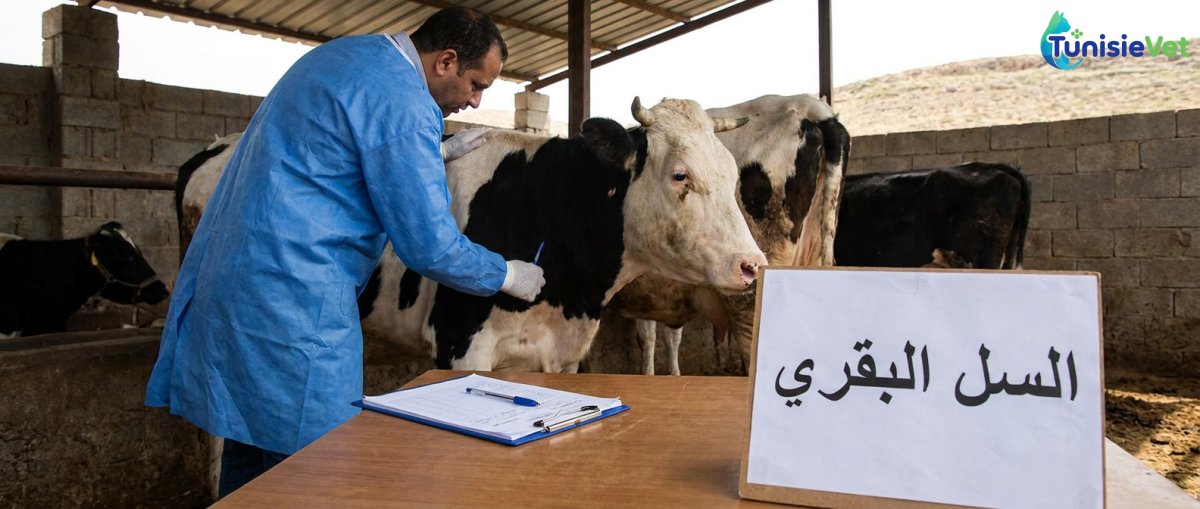
Bovine tuberculosis is a chronic infectious disease that concerns cattle farmers worldwide, as it directly affects herd health, milk productivity and, in some cases, the safety of animal-derived products. Given this risk, prevention remains the best tool a farmer has to protect their herd over the long term. This article covers the practical essentials, without replacing professional veterinary advice.
Understanding bovine tuberculosis and its risks
This disease is caused by a bacterium of the Mycobacterium genus, which can spread between animals and, under certain conditions, from animals to humans. It often progresses slowly and silently, making it particularly dangerous: an animal may appear perfectly healthy while carrying the bacteria for a long period.
- Mainly spread through respiratory droplets and shared air in confined spaces
- Possible transmission through milk or prolonged contact between animals
- Often slow progression, with clinical signs appearing only at an advanced stage
- Significant economic impact: reduced production, trade restrictions, sanitary culling
Warning signs every farmer should watch for
As with many chronic diseases, the symptoms of bovine tuberculosis can be subtle at first. It's essential to stay alert to certain changes in an animal's behavior or general condition:
- Persistent coughing, especially after exertion or early in the morning
- Gradual weight loss despite a normal diet
- Unexplained drop in milk production
- General fatigue and loss of appetite
- Swollen lymph nodes, sometimes visible or palpable in certain areas of the body
As soon as any of these signs appear, it's advisable to consult a veterinarian promptly to rule out or confirm suspicion, and to prevent the spread to the rest of the herd.
Prevention: good daily practices to adopt
Prevention relies above all on solid farm hygiene and rigorous herd management. Here are the universally recommended measures:
- Quarantine new animals: any animal brought onto the farm should be isolated for a few weeks before being mixed with the rest of the herd.
- Regular health checks: routine visits help detect any suspicious signs early on.
- Proper ventilation of barns: a well-ventilated space greatly reduces the risk of respiratory transmission between animals.
- Clean feeding and watering areas: prevent several animals from sharing a contaminated source.
- Limit contact with wildlife, which can sometimes play a role in spreading certain diseases.
The key role of veterinary follow-up
Beyond daily practices, regular veterinary support is essential for any cattle operation, whether a small family farm or a large-scale one. A professional can assess the overall health of the herd, advise on biosecurity protocols suited to the farm, and guide you through the steps to take if tuberculosis is suspected. To find a qualified practitioner near you, the directory of veterinarians specializing in cattle makes it easy to identify a trusted professional.
Vaccination and innovation: where does research stand?
Veterinary research continues to explore innovative solutions to strengthen herd protection against bovine tuberculosis, including experimental vaccine approaches being tested in various farming contexts. These methods, still under evaluation in many countries, complement — rather than replace — traditional prevention measures: hygiene, screening and rigorous herd management remain the pillars of the fight against this disease today.
What to do if a case is suspected on your farm
If an animal shows suggestive signs, it's important to isolate it from the rest of the herd immediately and contact a veterinarian without delay for a thorough examination. Avoiding any movement of the suspect animal and limiting contact with other animals significantly reduces the risk of spread while awaiting a clear diagnosis.
Frequently asked question: can bovine tuberculosis spread to humans?
Yes, under certain conditions, the bacteria responsible can spread to humans, particularly through close contact with infected animals or consumption of improperly treated dairy products. This is why following basic hygiene rules and pasteurizing milk remain essential precautions for the whole farming family.
Need a professional opinion? If in doubt or in an emergency, find a veterinarian near you on TunisieVet.
Leave a comment
Be the first to comment on this article.