
Puppy and Kitten Vaccination Schedule: The Essential Guide
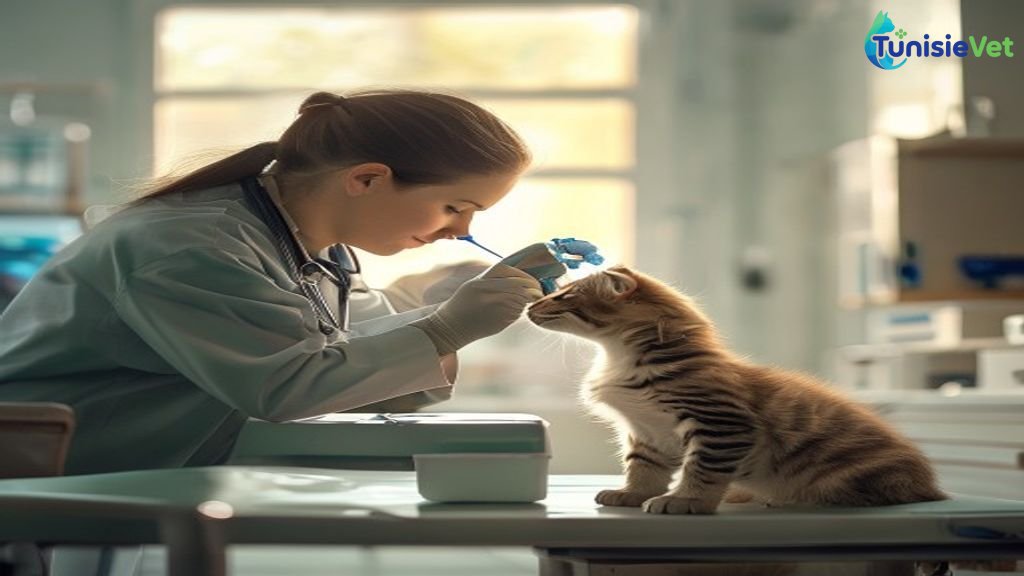
Puppy vaccinations and kitten vaccinations are among the most important steps in giving your new companion a healthy start in life. A well-followed puppy and kitten vaccination schedule protects against serious, sometimes fatal diseases that are often highly contagious between animals. Here's everything you need to know so you don't miss a single step.
Why vaccinating a young animal is essential
At birth, puppies and kittens are protected by antibodies passed on by their mother through colostrum. This maternal protection gradually fades over the following weeks, creating a window of vulnerability during which the young animal can catch serious infectious diseases. It's precisely to cover this sensitive period that vaccination must start early and follow a schedule of several injections.
An unvaccinated puppy or kitten that goes outside, meets other animals, or spends time in a shared environment (park, boarding facility, shelter, cattery) is exposed to pathogens that spread easily, sometimes even before visible symptoms appear in the carrier animal.
Puppy vaccination schedule
Initial puppy vaccination generally relies on several closely spaced injections, followed by regular boosters:
- First injection: during the first few weeks of life, as soon as maternal protection starts to wane.
- Closely spaced booster shots: given over several consecutive weeks, since a single injection isn't enough to build solid immunity in such a young animal.
- Booster around adulthood: an additional injection is often recommended to reinforce protection once the puppy is well into its growth.
- Annual boosters: as an adult, regular boosters help maintain immunity over the long term.
The diseases most commonly targeted in dogs are serious viral and bacterial conditions affecting the respiratory tract, digestive system, and nervous system, as well as certain diseases that can be transmitted to humans. The exact protocol (number of injections, diseases covered) should be determined by a vet based on the puppy's age, lifestyle, and local risk factors.
Kitten vaccination schedule
The principle is the same for kittens: several closely spaced injections during the first few months, followed by boosters.
- First injection: as soon as maternal protection declines, generally during the first few weeks of life.
- Second injection: a few weeks later, to strengthen the immune response.
- Final booster of the initial series: around adulthood, often recommended to lock in lasting immunity.
- Annual boosters: essential, especially for cats that go outdoors or live with other felines.
In cats, vaccines mainly cover highly contagious viral respiratory diseases, serious digestive conditions, and, depending on the animal's lifestyle, other additional diseases. A cat that lives strictly indoors with no contact with other animals may follow an adapted protocol, but a core vaccination plan is still recommended in the vast majority of cases.
Best practices around vaccination
Before each injection
- The animal should be in apparent good health: no fever, no diarrhea, no loss of appetite on the day of the appointment.
- A recent deworming treatment is often advised, as a heavily parasitized animal responds less well to vaccination.
- Mention any history of reactions following a previous injection.
After vaccination
- Mild fatigue or slight local sensitivity may appear in the following hours; this is usually harmless and temporary.
- Avoid intense exercise and risky outings on the day of the shot.
- Contact a professional promptly if you notice significant swelling, repeated vomiting, or breathing difficulties.
Sticking to the intervals between injections
A vaccination schedule works like a chain: skipping an injection or spacing out boosters too much can weaken the protection built up so far. It's best to keep a vaccination record and follow the dates recommended by your vet.
Have your puppy or kitten followed by a vet
Every animal is unique: its age, lifestyle, environment, and overall health status all influence the most suitable vaccination protocol. Only a clinical examination can help adjust the schedule, check the young animal's growth, and screen for any related issues (parasites, malformations, growth delays). It's strongly recommended to consult vets for dogs or vets for cats as soon as your new pet arrives home, in order to set up a personalized vaccination plan and get all your questions answered.
If you're thinking about welcoming a puppy or kitten, consider adoption too — a wonderful way to give a new life to an animal looking for a home, while making sure its vaccination schedule is on track from day one.
At what age should a puppy or kitten get their first vaccination?
The first injection is usually given as soon as the protection passed on by the mother starts to weaken, generally during the very first weeks of life. A vet will assess the ideal age based on the litter, the young animal's health, and surrounding risk factors before starting the protocol.
Need a professional opinion? If in doubt or in an emergency, find a veterinarian near you on TunisieVet.
Leave a comment
Be the first to comment on this article.