
Puppy and Kitten Vaccination Schedule: What You Need to Know
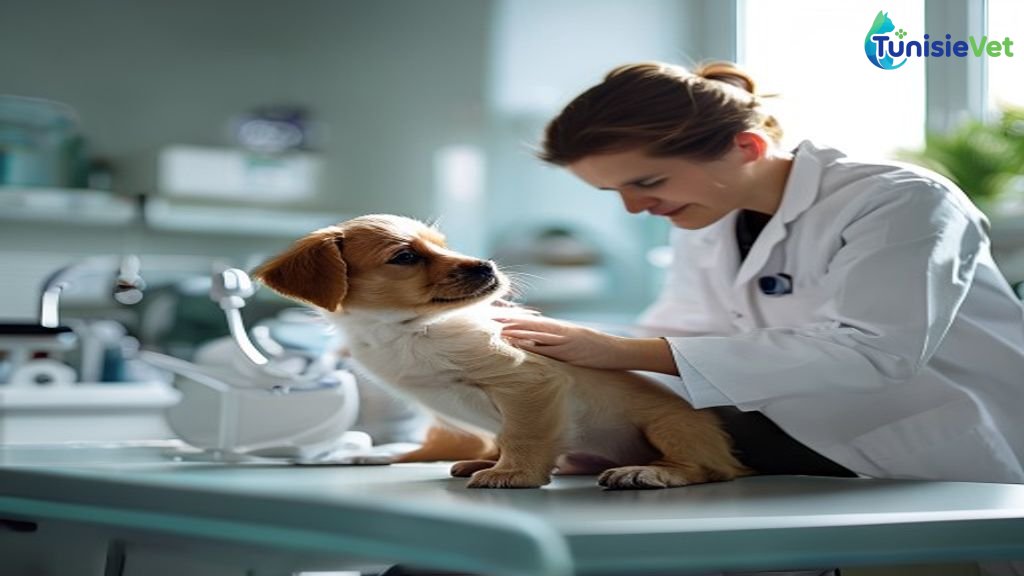
Puppy vaccination and kitten vaccination are among the most important steps in giving your new companion a healthy start in life. At a young age, animals still have a fragile immune system, and it's precisely during the first few weeks that the risk of catching a serious, sometimes fatal, disease is at its highest. Understanding the puppy and kitten vaccination schedule helps you plan appointments ahead of time, avoid missed doses, and protect your pet in the long run — as well as the other animals it may come into contact with.
Why vaccinate a puppy or kitten from a young age?
At birth, puppies and kittens are protected by antibodies passed through their mother's milk, known as maternal (colostral) immunity. This protection is valuable but temporary: it gradually fades over the following weeks, leaving the young animal vulnerable right around the time it starts exploring its surroundings, meeting other animals, or venturing outside the home. Vaccination steps in to bridge this risky window and to trigger the animal's own antibody production.
Without this vaccine-driven backup, certain infectious diseases can progress very quickly in young animals and leave lasting damage, or even become life-threatening. Vaccinating early means protecting your pet before real exposure to danger occurs, rather than reacting once it's already happened.
The puppy vaccination schedule, step by step
The exact protocol can vary depending on the animal's health, lifestyle, and your vet's recommendations, but the general outline usually follows this pattern:
- First injection: given during the first few weeks of life, it kick-starts protection against the most common and dangerous diseases affecting young dogs.
- Follow-up boosters: several injections spaced a few weeks apart are needed to build a solid immune response, since a puppy's immune system doesn't respond optimally with just one dose.
- Rabies vaccine: usually given a bit later in the protocol, it is essential in areas where rabies is present and is sometimes required for travel or boarding.
- Annual booster: once the initial protocol is complete, a regular booster shot keeps protection up throughout the animal's life.
It's important to stick to the recommended intervals between injections: a booster given too early or too late can reduce the effectiveness of the protection.
The kitten vaccination schedule and its specifics
Kitten vaccination follows a similar logic, with a protocol tailored to the most common feline diseases:
- Initial vaccination series: started early, it primarily targets viral respiratory and digestive diseases that particularly affect young cats.
- Closely spaced boosters: as with puppies, several injections a few weeks apart are needed to build solid immunity.
- Feline leukemia vaccine: especially recommended for kittens who will have outdoor access or contact with other cats.
- Rabies: depending on the cat's lifestyle (outdoor access, travel, contact with other animals), this vaccine may be advised or required.
- Annual booster: essential to maintain effective protection year after year.
Cats that live strictly indoors are still exposed to certain pathogens that can be brought in by humans or other animals, which is why their protection shouldn't be overlooked.
What to do before each vaccination appointment
- Check that the animal appears to be in good health (no fever, no diarrhea, good appetite).
- Avoid any contact with sick animals or animals of unknown health status in the days leading up to the injection.
- Bring the health or vaccination booklet to every visit to ensure accurate tracking.
- Mention any unusual reaction that occurred after a previous injection.
After vaccination: precautions and follow-up
After an injection, it's normal for a puppy or kitten to be a bit less active for a day or two, or to show slight tenderness at the injection site. However, repeated vomiting, significant facial swelling, breathing difficulties, or marked lethargy should prompt a quick visit to the vet.
Until the initial protocol is complete, it's wise to limit outings to places where many animals gather (parks, common areas) and to avoid contact with animals of unknown vaccination status, giving the immune system time to build up protection.
Since every animal is different, only a professional can create a truly personalized vaccination schedule that takes into account age, breed, lifestyle, and overall health. Feel free to consult veterinarians for dogs or veterinarians for cats to set up or fine-tune the right protocol for your companion.
At what age should puppy or kitten vaccination start?
The initial vaccination series usually begins in the very first weeks of life, as soon as maternal immunity starts to wane. Your vet will determine the best timing during the first visit, based on the puppy's or kitten's health and living environment.
Need a professional opinion? If in doubt or in an emergency, find a veterinarian near you on TunisieVet.
Leave a comment
Be the first to comment on this article.