
Heatwave Safety: Protecting Your Animals from Heatstroke
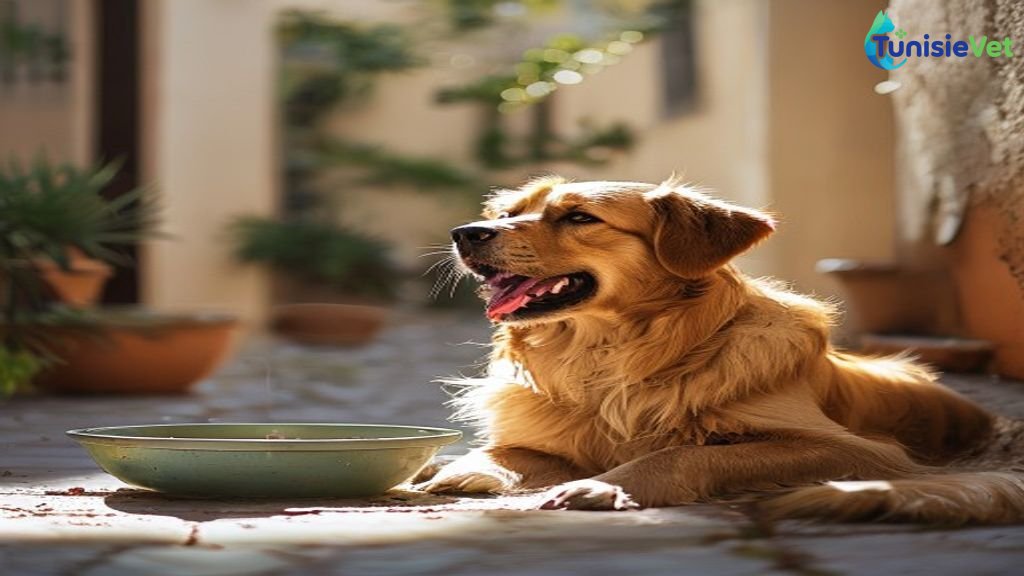
When a heatwave hits, our pets and farm animals are far more vulnerable than we often realize. Dogs, cats, rabbits, poultry and livestock don't regulate their body temperature the way we do — they rely heavily on us to help them stay safe. Knowing the right reflexes during hot weather can prevent the most serious emergencies, such as heatstroke, which can become life-threatening within just a few hours.
Why do animals suffer so much from heat?
Unlike humans, most animals sweat little or not at all over their bodies. Dogs release heat mainly through panting, cats lick themselves to help saliva evaporate, and farm animals depend largely on shade, ventilation and access to water. Some animals are even more at risk:
- Brachycephalic breeds (short-muzzled) such as certain dogs and cats, whose breathing is already less efficient;
- Elderly, very young, overweight animals, or those with heart or respiratory conditions;
- Animals with long or thick coats;
- Livestock and poultry kept in confined or poorly ventilated spaces.
Warning signs of heatstroke you should never ignore
Recognizing the early signs allows you to act before things turn critical. In dogs and cats, watch for:
- Excessive panting or very rapid breathing;
- Heavy drooling, bright red or, conversely, pale gums;
- Weakness, stumbling gait, disorientation;
- Vomiting or diarrhea;
- In severe cases: seizures or loss of consciousness.
In backyard poultry and livestock, excessive heat often shows up as a sudden drop in appetite, open-beak panting (in poultry), an animal isolating itself, or unusual lethargy. In all these cases, treat it as an emergency: cool the animal down gradually (in the shade, using lukewarm rather than ice-cold water on the body) and contact a professional as soon as possible.
Smart moves to protect your animals during extreme heat
For pets
- Always provide plenty of fresh, clean water, refilled several times a day;
- Avoid walks and physical activity during the hottest hours; stick to early morning or evening instead;
- Never leave an animal alone in a car, even for a few minutes, even in the shade or with windows cracked open;
- Provide a cool, shaded space at home with good airflow;
- Avoid shaving long-haired animals completely: their coat also acts as insulation against heat;
- Protect paw pads from hot pavement during walks.
For farm animals and backyard poultry
- Set up multiple water points to avoid crowding and stagnant, warm water;
- Ensure adequate ventilation or airflow in buildings and enclosures;
- Schedule work or movement of animals (transport, grazing) outside peak heat hours;
- Reduce animal density in a given space whenever possible;
- Provide natural or artificial shaded areas in outdoor enclosures.
Diet and hydration: essential allies against the heat
During hot weather, animals' appetite naturally decreases while their water needs increase. It's recommended to:
- Offer lighter meals, possibly split into smaller portions, during the cooler hours of the day;
- Make sure water stays fresh and doesn't stagnate, especially for fish and turtles, which are highly sensitive to water temperature changes;
- Avoid any sudden changes in thermal environment, which can be just as stressful as excessive heat.
When should you see a vet?
As soon as unusual signs appear — marked lethargy, difficulty breathing, refusal to eat or drink, loss of coordination — never wait for the situation to worsen. Getting professional advice quickly can make all the difference, especially for fragile animals or young ones. Feel free to check the veterinarian directory to find a professional near you and get advice tailored to your animal's situation.
FAQ: What should I do if my animal shows signs of heatstroke?
Move the animal immediately to a shaded, cool and well-ventilated spot, offer lukewarm water (never ice-cold) and gradually dampen its body, especially the belly and paws. Contact a vet right away, even if the symptoms seem to ease, as internal complications can appear later.
Preparing for heatwaves mainly means watching your animal closely and adjusting its daily routine to the weather. These simple habits, repeated every summer, remain the best protection against heat-related risks.
Leave a comment
Be the first to comment on this article.