
Feeding Aging Livestock: The Key to a Longer Productive Life
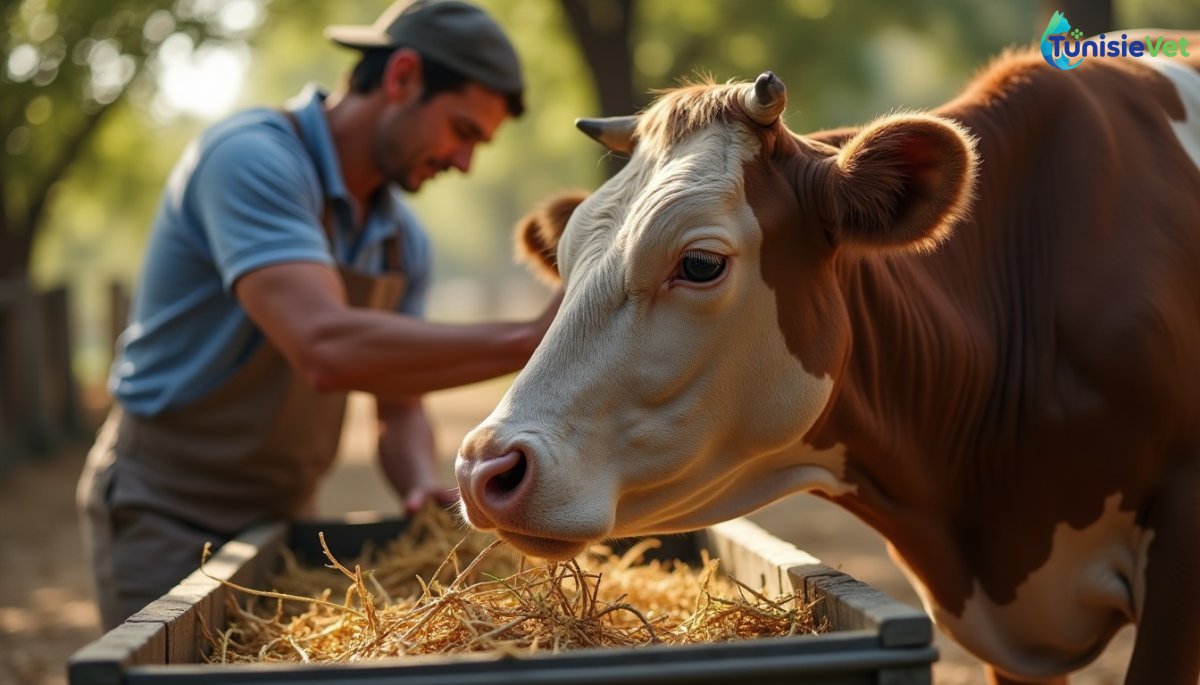
Feeding aging livestock is a topic too often overlooked on cattle, sheep and goat farms. A senior dairy cow, an older breeding ram, or a dairy goat nearing the end of her productive years no longer has the same digestive and nutritional needs as an animal in its prime. Adapting the diet to this life stage not only helps preserve the animal's overall condition but also extends its economic value within the herd, all while avoiding overburdening an already tired digestive system.
Recognizing the Signs of Digestive Aging in Livestock
Before adjusting the ration, it's essential to watch for signs that an animal is entering its senior years. In cattle, sheep and goats, these signs often include:
- Gradual loss of body condition despite an unchanged diet
- Worn or missing teeth that make chewing more difficult
- Longer rumination time or trouble ingesting coarse forage
- A drop in milk yield or reproductive vigor
- Reduced mobility limiting access to pasture
These signals should alert the farmer: it's time to act before the animal's overall condition declines significantly.
Adjusting the Diet for Senior Dairy Cows and Older Small Ruminants
A diet for senior dairy cows should favor forages that are easier to eat and digest. An older animal with missing teeth or less effective chewing will benefit more from short-chopped forage, good-quality low-fiber hay, or well-preserved silage rather than long, coarse forage.
General Principles to Apply
- Split meals into smaller portions to ease digestion and avoid overloading the rumen
- Favor good-quality concentrates over large amounts of poor forage
- Ensure sufficient energy intake to compensate for less efficient nutrient absorption
- Monitor mineral and water intake, which is often insufficient in older, less mobile animals
The same logic applies to aging goats and ewes: proper nutrition for aging goats and sheep means offering tender forage, easy access to fresh water, and smaller, more frequent meals.
Digestion in Aging Farm Animals: Easing the Strain on the Digestive System
Digestion in aging farm animals is often slower: gut transit becomes less efficient, the rumen's microbial flora can be disrupted, and nutrient absorption declines. To protect this weakened digestive system:
- Avoid sudden diet changes; always transition gradually
- Favor easily digestible feeds rich in digestible fiber rather than coarse fiber
- Limit overly dry or dusty forage that can irritate the digestive tract
- If needed, and on professional advice, add supplements that support digestive balance
A well-fed older animal keeps its appetite for longer, which reduces the risk of weight loss and general decline.
Managing Forage for Aging Livestock in Hot Weather
Forage management for aging livestock in hot weather calls for special attention. Heat naturally reduces animals' appetite, an effect that's even more pronounced in older animals, which are already less efficient at regulating their body temperature. A few simple adjustments can help limit this impact:
- Serve main meals early in the morning and in the cooler part of the evening
- Ensure constant access to clean, fresh water, refreshed regularly
- Provide shade and good ventilation in resting and feeding areas
- Avoid overloading the diet with energy-rich concentrates, which increase metabolic heat
Extending the Herd's Productive Longevity
Maintaining productive longevity in the herd requires an individualized approach: each aging animal deserves an assessment of its body condition, chewing ability, and activity level. Regular monitoring, combined with gradual dietary adjustments, can often extend a cow's, goat's or breeding ram's economic contribution by several seasons, while preserving its well-being.
If you notice persistent signs of weakness, unexplained weight loss, or recurring digestive issues, it's best to seek professional advice. Consulting a veterinarian specialized in cattle can help establish a precise nutritional plan tailored to each aging animal in the herd.
Should Aging Livestock Be Given Dietary Supplements?
Yes, in many cases mineral or vitamin supplements can help offset less efficient digestion in older animals. However, they should be introduced gradually and, ideally, only after consulting a professional to tailor the type and amount to the animal's actual needs.
Need a professional opinion? If in doubt or in an emergency, find a veterinarian near you on TunisieVet.
Leave a comment
Be the first to comment on this article.