
Safe Foods for Pets: A Complete Beginner's Guide
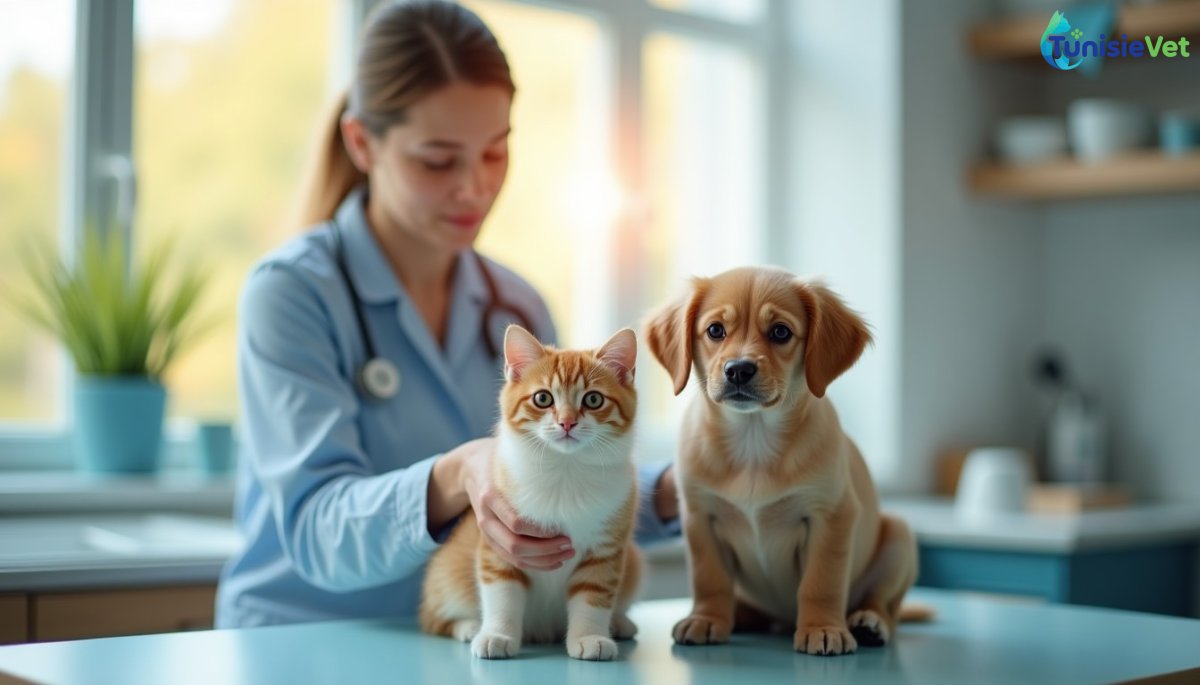
Figuring out which safe foods are right for your pet or farm animals is one of the first questions every new owner faces. Between common myths, conflicting advice found online, and classic mistakes, it's easy to get confused. This practical guide brings together the key habits you need to feed your animals safely, while avoiding the most frequent pitfalls.
Why knowing which foods are safe really matters
Every species has its own nutritional needs and digestive tolerance. A food that's perfectly healthy for humans can be toxic, hard to digest, or simply unsuitable for a dog, cat, rabbit, or chicken. Understanding what's safe, what should only be given occasionally, and what must be strictly avoided can save you an emergency trip to the vet.
Beyond immediate safety, a well-thought-out diet has a direct impact on long-term health: weight, digestion, coat or feather quality, energy levels, and lifespan. It's a pillar of animal welfare, just as important as veterinary care or a good living environment.
Common mistakes made by first-time owners
Many diet-related health issues stem from avoidable mistakes. Here are the most common ones:
- Sharing human meals without checking whether they're actually suitable for the animal's species.
- Switching foods abruptly instead of introducing a gradual transition over several days.
- Overestimating portion sizes, which encourages weight gain, especially in less active animals.
- Neglecting fresh water, which should always be available, especially during hot weather.
- Relying on unverified advice from forums or social media instead of consulting a professional.
These mistakes are usually made with good intentions, but they can have very real consequences for an animal's health.
Toxic or unsuitable foods to watch out for
Some everyday foods that are perfectly harmless to humans are poorly tolerated by many pets. That's why it's essential to check species by species before introducing any new food, rather than assuming that "a little bit won't hurt." If your pet accidentally eats a suspicious food, the best course of action is to contact a professional right away rather than waiting to see if symptoms appear.
Good habits for a safe diet
Building good habits from the start makes life easier for both owner and animal alike:
- Research the specific needs of the species and breed before bringing an animal home.
- Choose age-appropriate food: a growing young animal has very different needs from an adult or senior.
- Introduce new foods gradually, keeping an eye on how digestion responds.
- Stick to regular feeding times rather than leaving food out all day, unless this is recommended for the species in question.
- Store food properly to prevent mould and spoilage, particularly in hot climates.
- Watch your animal's eating behaviour: an unusual loss of appetite or sudden refusal to eat should never be ignored.
Adjusting the diet to your animal's lifestyle
A highly active animal, an indoor pet that barely moves, or a farm animal living outdoors all have very different energy needs. Adjusting the quantity and quality of food to match your animal's actual activity level helps prevent both weight gain and nutritional deficiencies.
When to seek professional advice
Whenever you're unsure whether a food is suitable, notice an unusual reaction after a meal, or simply want to set up a diet plan tailored to your animal's age and health, it's best to consult a professional rather than rely on guesswork. Personalised guidance can also help identify any intolerances or specific needs unique to your animal.
To find a professional near you and get personalised advice, you can check out the veterinarian directory available on our website.
What foods are always off-limits for pets?
There's no single list that applies to every species: what's toxic for a dog may be harmless to a rabbit, and vice versa. The universal rule of thumb is to avoid giving any new food until you've confirmed it's safe for that particular species, and to seek veterinary advice right away if your pet accidentally eats something suspicious.
Leave a comment
Be the first to comment on this article.