
Heatwave in Tunisia: Protecting Livestock and Crops from 36°C
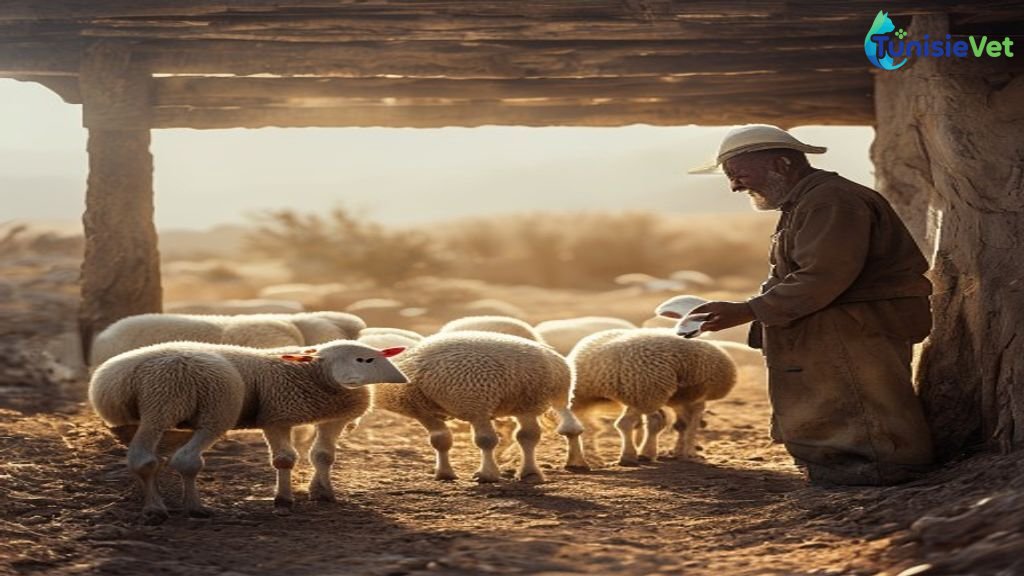
The heatwave currently gripping Tunisia is worrying not only families but also farmers and livestock breeders. With temperatures exceeding 36°C and peaks of up to 49°C forecast for Saturday, 18 July 2026, this heatwave is putting serious strain on the health of farm animals and the resilience of crops. In response, regional authorities have mobilized, and all 21 governorates across the country have been placed on maximum alert. Here's a breakdown of the impacts of this heat episode and the best practices to adopt to limit damage to livestock and farms.
An intense, widespread heatwave
According to forecasts released this Friday, even overnight lows remain very high: they range between 28°C and 32°C in coastal areas and highlands, and climb to between 33°C and 36°C elsewhere in the country. A hot, dry wind is also expected on Saturday, worsening the perceived heat and the water stress affecting both soil and animals.
Forecasts point to especially severe highs in several regions: up to 46°C in Siliana and Sidi Bouzid, 47°C in Kairouan, and 48°C in Tozeur and Kebili. These temperature levels pose a real danger to livestock left without adequate protection, particularly during the hottest hours of the day.
There is, however, a more reassuring note: Saïda Ben Salah, senior engineer at the National Institute of Meteorology, says a relative drop in temperatures is expected starting Wednesday, 22 July 2026. Until then, vigilance remains essential across the entire country.
How the heatwave affects livestock and animal welfare
Extreme heat has a direct impact on animal welfare, regardless of the species involved: cattle, sheep, goats, or poultry. Excessive heat can cause significant heat stress, reduced appetite, lower milk production, and, in the most severe cases, potentially fatal heatstroke if no protective measures are taken. This is why local authorities have stressed the need to protect not only human lives but also vulnerable sectors such as farms and forested areas from this risk.
Best practices for protecting livestock
- Ensure constant access to fresh, clean water in sufficient quantities throughout the day
- Schedule grazing or moving animals for early morning or late evening, avoiding the hottest hours
- Provide adequate shaded areas in pens, buildings, or shelters
- Improve ventilation in barns, sheepfolds, and poultry houses
- Adjust feeding during periods of intense heat, avoiding heavy rations during the hottest hours
- Watch closely for signs of heatstroke: excessive panting, lethargy, refusal to eat
If there is any doubt about the health of an animal exposed to extreme heat, it is essential to seek professional help quickly. Farmers can check the directory of veterinarians to find a practitioner near their farm and get advice tailored to their livestock.
Authorities mobilize against heatwave risks
Given the scale of this heatwave, several regions have activated prevention measures. In Kairouan, Governor Zaker Berkaoui chaired a meeting on Thursday evening of the regional commission for disaster prevention and response. The meeting aimed to coordinate action against heat-related risks, including drought, wildfires, and vulnerability in the agricultural sector. As part of this effort, advanced monitoring posts run by Civil Protection and forestry services have been activated in high-risk areas, allowing for a rapid response to incidents, particularly wildfire outbreaks fueled by drought and hot winds.
Protecting crops during the heatwave too
Beyond livestock, agriculture in Tunisia is also feeling the effects of this heatwave. Intense heat combined with dry wind speeds up crop evapotranspiration and increases irrigation needs. Agricultural areas, identified by local authorities as vulnerable sectors, require particular attention during this period: careful water resource management, increased monitoring of plots near forested areas, and adjusted working hours to limit farmers' own exposure to the heat.
When can we expect temperatures to drop?
According to the National Institute of Meteorology, a relative drop in temperatures should begin on Wednesday, 22 July 2026. Until this relief arrives, caution is still advised: farmers and breeders are urged to stay vigilant over their animals and crops, especially during the peak expected this Saturday.
This heatwave is a reminder of how essential preparation and anticipation are to limiting the impact on livestock and harvests. If an animal shows signs of distress, it's best not to wait before consulting a veterinarian: quick action often makes all the difference.
Leave a comment
Be the first to comment on this article.