
Rabbit Diseases in Farming: Warning Signs to Watch
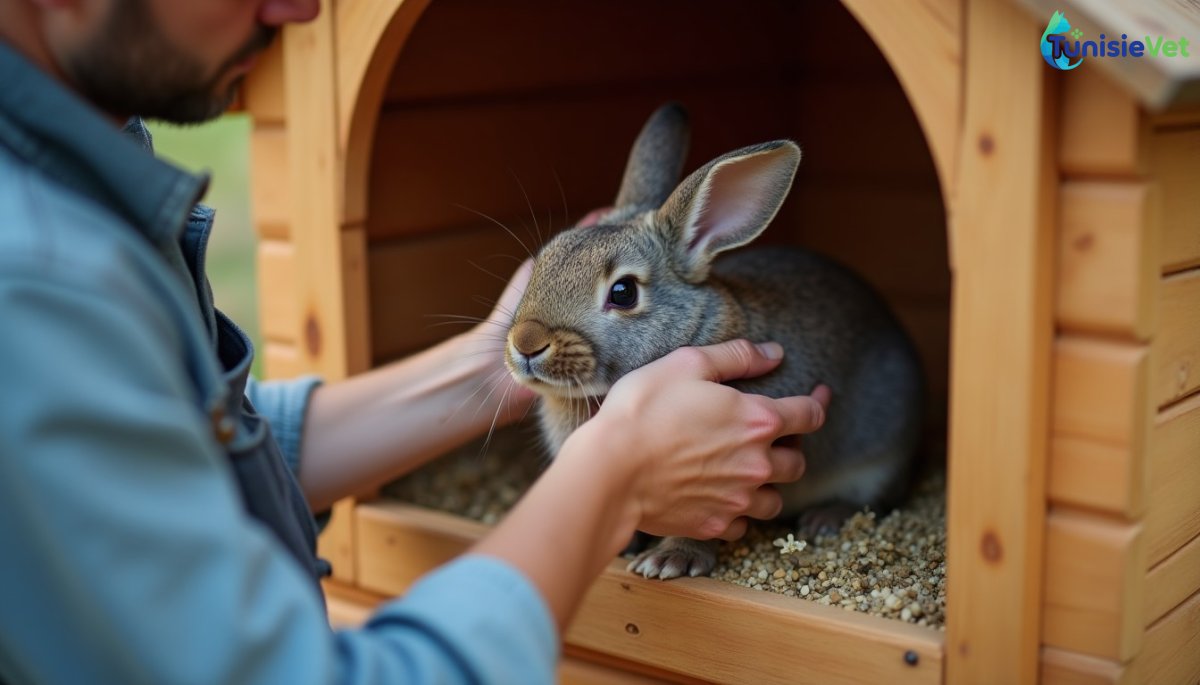
Rabbit disease in farming settings can be caught early or missed entirely, and that difference often decides whether an animal recovers or the illness sweeps through the whole hutch. Rabbits are naturally discreet animals that tend to hide symptoms until the illness is well advanced, so an attentive breeder needs to learn how to spot even small changes in behaviour, appetite or coat condition. This practical guide covers the signs of a sick rabbit, the most common diseases found in rabbit farming, and prevention steps suited to a climate that swings between hot and humid spells, much like Tunisia's.
Daily warning signs to watch for
Daily observation is still the best form of prevention. A healthy rabbit has a shiny coat, clear eyes, a steady appetite and well-formed droppings. Any deviation from this deserves attention:
- Reduced or lost appetite, even partial
- Diarrhoea, soft stools or no droppings at all
- Lethargy, listlessness, reluctance to move
- Discharge from the nose or eyes
- Noisy or laboured breathing
- Dull coat, patches of hair loss, scabs or skin lesions
- Bloated belly or a hunched posture suggesting pain
A rabbit that isolates itself, stops eating for several hours, or shows a sudden change in behaviour should be checked right away — in this species, health can deteriorate very quickly.
Coccidiosis: the most common digestive disease in rabbit farming
Rabbit coccidiosis is a widespread intestinal parasitic infection, particularly in young rabbits that have recently been weaned. It spreads through ingestion of oocysts found in soiled bedding, water or feed contaminated by droppings. Telltale signs include:
- Diarrhoea, sometimes streaked with blood
- A bloated belly
- Stunted growth in young rabbits
- Loss of appetite and gradual weight loss
Coccidiosis takes hold much more easily in cages that are damp, poorly cleaned or overcrowded. Rigorous litter hygiene, frequent water changes and regular disinfection of feeders go a long way in cutting the risk of contamination.
Pasteurellosis: a respiratory infection to watch closely
Rabbit pasteurellosis mainly affects the respiratory tract and can progress to more severe forms if not treated promptly. It spreads through direct contact between rabbits, respiratory droplets, or contaminated equipment such as feeders, waterers and cages. Stress, draughts and sudden temperature swings all make it more likely to appear. Symptoms to watch for:
- Clear nasal discharge that turns thick
- Repeated sneezing
- Head tilt (torticollis) in advanced cases
- Wheezing or noisy breathing
- General lethargy
Pasteurellosis spreads fast in a shared hutch: any rabbit showing these signs should be isolated from the rest of the group immediately to limit contagion.
Skin fungal infections: recognising the lesions
Fungal infections in rabbits (ringworm) show up as patches of hair loss, often circular, with scabs or flaking skin, most commonly around the head, ears or paws. They spread easily through direct contact between animals or via contaminated bedding and equipment, and can also be passed on to humans handling the animals. Hand hygiene, cage disinfection and isolating affected rabbits are essential to stop the infection from spreading through the whole rabbitry.
Prevention steps suited to the local climate
In a climate that alternates between intense heat and humid spells, a few simple precautions significantly cut the risk of disease:
- Clean and disinfect cages, feeders and waterers regularly
- Ensure good ventilation in the hutch without exposing animals to direct draughts
- Avoid overcrowding, which causes stress and speeds up disease spread
- Provide clean, fresh water at all times, changed daily
- Isolate any new animal or sick rabbit before reintroducing it to the group
- Limit standing moisture in the bedding, which creates ideal conditions for parasites and fungi
Quarantining newcomers and observing your rabbits daily remain the two most effective habits for protecting the health of an entire rabbit farm.
When should you see a vet?
As soon as a rabbit shows persistent diarrhoea, breathing difficulties, refuses to eat for more than a day, or develops spreading skin lesions, a prompt vet visit is essential. An accurate diagnosis allows the right treatment to be given and helps prevent the illness from spreading to the rest of the hutch. You can find a professional near you through the directory of rabbit veterinarians.
Is a rabbit that hasn't eaten in 24 hours an emergency?
Yes: in rabbits, a complete stop in eating for a full day is always a cause for concern and can quickly become life-threatening. You should seek veterinary care right away, rather than waiting to see if things improve on their own.
Need a professional opinion? If in doubt or in an emergency, find a veterinarian near you on TunisieVet.
Leave a comment
Be the first to comment on this article.