
Bird Diseases: The Complete Beginner's Guide
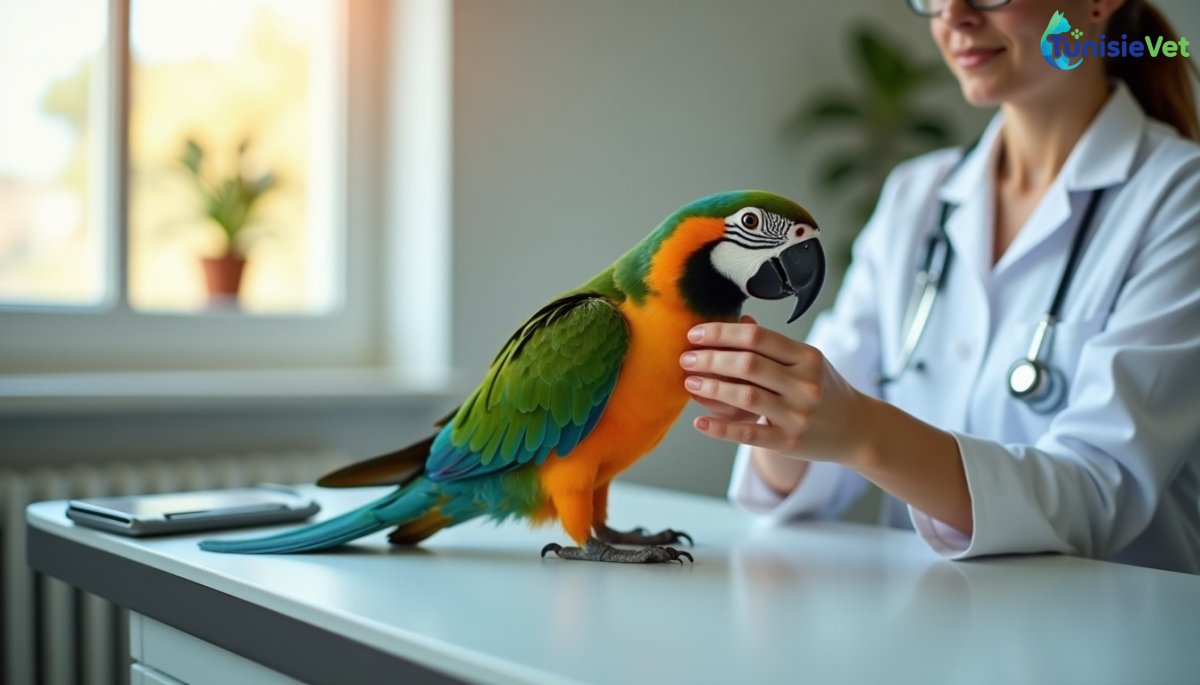
Bird diseases remain a poorly understood topic for many owners, whether you keep a pet parrot, a singing canary, or a backyard flock of chickens. Yet knowing how to spot the first signs of weakness in a bird can literally save its life, since these animals instinctively hide their symptoms until the very last moment. This practical guide gives you the essential knowledge to understand, prevent, and respond correctly to the most common avian health issues.
Why do birds hide their illnesses?
In the wild, a bird that shows any sign of weakness quickly becomes an easy target for predators. As a survival instinct, birds have therefore developed a remarkable ability to conceal pain or illness for as long as possible. In practice, this means that by the time a bird shows visible symptoms, the disease is often already at an advanced stage. That's why daily, attentive observation is the first reflex every responsible owner or breeder should have.
Warning signs you should never ignore
- Constantly fluffed-up feathers, even when it isn't cold
- A bird that sits hunched at the bottom of the cage with half-closed eyes
- Reduced or stopped appetite and water intake
- Abnormal droppings: too watery, discolored, or excessive in quantity
- Labored breathing, an open beak, or audible respiratory sounds
- Loss of balance, limping, or difficulty perching
- Voluntary isolation from the rest of the flock
As soon as one of these signs appears, the golden rule is never to wait and "see if it passes": a bird's condition can deteriorate in just a few hours.
The main categories of bird diseases
Health issues in pet and farm birds generally fall into several broad categories:
- Respiratory diseases: often linked to poor ventilation, humidity, or dust, they show up as sneezing, nasal discharge, or wheezing.
- Digestive disorders: diarrhea, regurgitation, or loss of appetite can result from an unsuitable diet, dirty water, or intestinal parasites.
- External parasites: lice, mites, or ticks cause itching, damaged feathers, and restlessness.
- Nutritional deficiencies: a diet that's too poor or monotonous (seeds only, for example) leads to weak plumage, bone problems, or a general drop in immunity.
- Feather and skin problems: feather-plucking, abnormal molting, or skin irritation, often signs of stress or an unbalanced diet.
Common mistakes beginners make
Many avian health problems stem from simple husbandry mistakes that are easy to fix:
- Neglecting the quality of water and food: water should be changed daily, and seeds or pellets stored away from moisture.
- Underestimating cage or coop hygiene: accumulated droppings encourage the growth of bacteria and parasites.
- Ignoring drafts and temperature swings: birds are very sensitive to sudden changes, especially at night.
- Isolating a sick bird too late: a contagious bird can quickly spread infection through an entire flock if quarantine isn't immediate.
- Relying only on outward appearance: a bird can look "fine" while already harboring a serious illness, which is why regular veterinary check-ups matter.
Everyday prevention habits that work
Prevention remains the best defense against avian diseases. Here are some simple habits to adopt:
- Offer a varied diet suited to the species, avoiding excess fatty seeds
- Regularly clean the cage, feeders, water dispensers, and coop
- Ensure good ventilation without direct drafts
- Quarantine any new bird before introducing it to the group
- Check behavior, appetite, and droppings every day
- Limit stress: excessive noise, rough handling, or frequent changes in environment
Whenever you have doubts about your bird's health, it's essential to consult a professional quickly rather than attempt a random treatment. A directory such as the one for vets specialized in parrots makes it easy to find a qualified avian practitioner near you. For canary owners, the vets for canaries page is also a useful resource. And for backyard flock keepers, vets for chickens can point you toward the right diagnosis and treatment.
When should you see a vet urgently?
Seek veterinary care without delay if your bird has refused to eat for more than a day, shows noisy or labored breathing, is bleeding, or remains hunched at the bottom of its cage without reacting. In birds, conditions can worsen very quickly: the earlier treatment begins, the better the chances of recovery.
Adopting a bird means committing to observe, prevent, and act fast. If you're thinking of welcoming a new bird, also consider checking animal adoption options before buying, and always have your new companion examined by a vet as soon as it arrives.
Need a professional opinion? If in doubt or in an emergency, find a veterinarian near you on TunisieVet.
Leave a comment
Be the first to comment on this article.