
Livestock Probiotics: Boosting Digestion & Immunity in Hot Climates
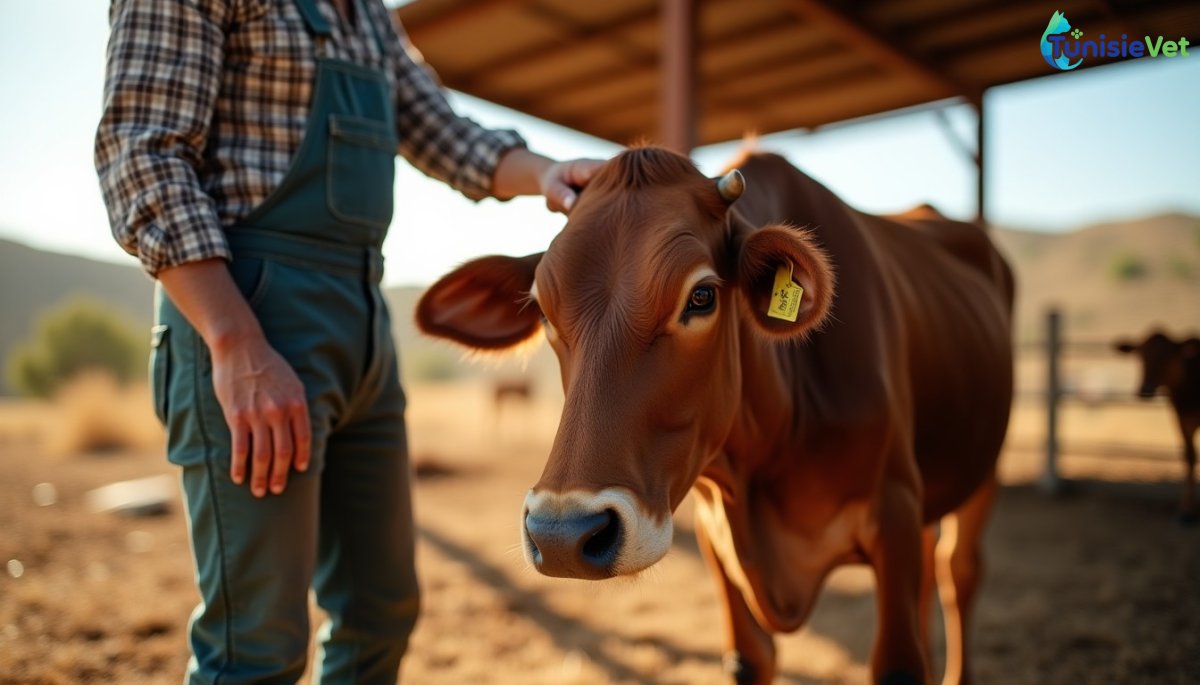
Livestock probiotics and prebiotics are drawing growing interest among cattle, sheep and goat farmers, especially in regions with hot climates where heat stress weakens digestion and natural defenses. When used properly, these feed supplements can help stabilize gut flora, improve feed absorption and support the natural immunity of ruminants. This practical guide explains how they work, the concrete signs of improvement to watch for, and the most common mistakes that reduce the effectiveness of this investment.
Probiotics vs. Prebiotics for Cattle: What's the Difference?
It's essential to clearly distinguish these two families of supplements before adding them to the diet:
- Probiotics are live microorganisms (often beneficial yeasts or bacteria) that, once ingested, reinforce the microbial population already present in the rumen and intestine.
- Prebiotics are non-digestible substances, usually specific fibers, that act as selective "food" for these good bacteria and encourage their natural growth.
Used together (known as "synbiotics"), they work in complementary ways: prebiotics create a favorable environment, while probiotics directly supply the useful strains. In ruminants, a well-balanced rumen is key to better forage digestion, more consistent milk or meat production, and greater resistance to digestive disorders.
Why Livestock Gut Flora Weakens in Hot Weather
Intense heat changes animals' feeding behavior: they eat less, drink differently, and experience physiological stress that disrupts the balance of their gut flora. This imbalance, called dysbiosis, can show up as:
- reduced appetite and lower feed intake;
- soft or irregular stools;
- increased susceptibility to digestive infections;
- lower milk production in lactating cows, goats and ewes.
In this context, supporting gut flora with targeted probiotic and prebiotic intake can help animals better tolerate temperature swings and maintain a stable metabolism.
Digestive Health in Goats, Sheep and Cattle: Signs of Improvement to Watch
An effective supplement should produce visible, measurable results in the field. Here are the indicators to monitor after introducing probiotics or prebiotics into the diet:
- Stool consistency: better-formed feces, without excess mucus or abnormal odor.
- Restored appetite: the animal returns to a normal, regular feeding rhythm.
- Coat quality: a shinier coat often reflects better nutrient absorption.
- Weight stability: fewer fluctuations, particularly in young, growing animals.
- Fewer digestive upsets: less frequent diarrhea or bloating, especially during feed changes or heat waves.
These changes are usually not immediate: it often takes several weeks of regular use to see a stable effect, as the gut flora gradually rebalances itself.
Livestock Feed Supplements: Mistakes to Avoid
For an investment in livestock feed supplements to truly pay off, certain common mistakes must be avoided:
- Making abrupt changes: any supplement should be introduced gradually, alongside a smooth dietary transition, to avoid further disrupting the rumen.
- Neglecting fresh, clean water: without constant access to quality water, even the best probiotics lose their effectiveness, especially during hot weather.
- Storing products improperly: heat and humidity can kill live strains before they're even ingested; cool, dark storage is recommended.
- Using a product not suited to the species: the needs of a cow, a goat and a sheep are not the same; a poorly dosed generic supplement can be ineffective or even counterproductive.
- Combining antibiotics and probiotics without care: some antibiotic treatments also destroy good bacteria; it's best to space out doses and seek advice before combining them.
- Expecting quick miracle results: probiotics and prebiotics are support tools, not immediate cures.
How to Incorporate Probiotics and Prebiotics into the Daily Diet
For optimal use, it's recommended to:
- introduce the supplement during key periods: weaning, transport, forage changes, heat waves;
- follow the doses recommended by the manufacturer or an animal health professional;
- observe and record changes (behavior, stools, appetite) to adjust as needed;
- prioritize a balanced base diet, since supplements never replace quality forage.
Before starting any supplementation program, it's strongly recommended to seek the advice of a professional who can assess the herd's health status and guide product choices based on the species and farming context. Feel free to consult a veterinarian specialized in cattle health or browse the directory of livestock veterinarians to find support tailored to your farm.
Are Probiotics Useful for All Ruminants?
Yes, in the vast majority of cases, cattle, sheep and goats can all benefit from probiotic and prebiotic supplementation, particularly during periods of digestive or heat stress. However, strains and dosages must be tailored to each species and the animal's age, which is why professional advice is valuable before setting up any long-term program.
Leave a comment
Be the first to comment on this article.