
Tartar in Dogs and Cats: Signs to Spot and Simple Prevention
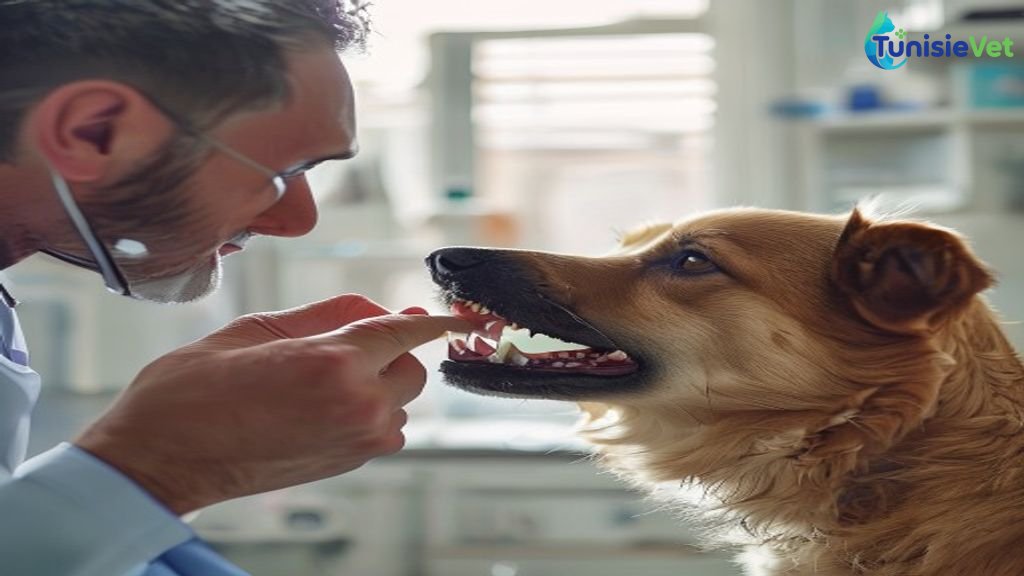
Tartar in dogs and dental problems in cats are among the most common health issues seen in pets, yet they're often overlooked. Good dental hygiene for cats and dogs isn't just about a nice smile: it affects how comfortably an animal eats, its breath, and even its overall health, since an infected mouth can impact other organs too. A few simple daily habits can go a long way in limiting plaque buildup and preventing painful complications down the line.
Why oral health really matters
A dog's or cat's mouth is a constant entry point for bacteria. Without regular care, dental plaque mineralizes and turns into tartar, a hard, yellowish layer that clings to the teeth, particularly near the gum line. This tartar irritates the tissues, triggers gum inflammation, and can eventually lead to loose teeth, chronic pain, and loss of appetite. Oral bacteria can also enter the bloodstream and weaken certain internal organs over time. Looking after your dog's or cat's teeth is therefore a genuine act of overall prevention, not just a cosmetic concern.
Spotting the signs of tartar and gum disease
Certain warning signs should prompt owners to act before the problem worsens:
- Persistent bad breath, more noticeable than usual
- Visible yellow or brownish buildup on the teeth, especially near the gums
- Red, swollen gums that bleed easily
- Difficulty or reluctance to chew, preference for soft food
- Excessive drooling or the animal pawing at its muzzle
- Loss of appetite or weight loss in more advanced cases
In both cats and dogs, these symptoms can develop gradually and go unnoticed for a long time, as animals tend to hide discomfort. A quick, regular visual check of the mouth can help catch changes before they become painful.
Daily care habits to adopt at home
Brushing, the gold standard
Regular tooth brushing remains the most effective way to limit plaque buildup before it hardens into tartar. Use a toothbrush designed for pets (or a finger brush) along with toothpaste specifically formulated for dogs or cats — never human toothpaste, which can be toxic if swallowed. Ideally, get your pet used to brushing from a young age, going gently and pairing the routine with a calm moment or a reward, so the experience stays positive.
Diet and chew toys
Certain quality dry foods and specially designed chew toys provide a mechanical action that helps reduce plaque as the animal chews. They don't replace brushing but make a useful complement, especially for pets that are less cooperative.
Other good daily habits
- Regularly check the state of the gums and teeth, even without obvious symptoms
- Avoid giving hard bones or objects that could crack the teeth
- Always provide fresh, clean water, especially during hot weather
- Adjust the diet according to the animal's age and specific needs
When to see a veterinarian
As soon as signs of gum disease, significant tartar buildup, or chewing discomfort appear, a visit to a professional is in order. A dental cleaning performed in-clinic, under veterinary supervision, removes tartar that has already built up and allows a full assessment of the mouth's condition, including below the gum line where brushing alone can't reach. Regular checkups also help catch dental issues early, before they become painful or costly to treat. For a dog, it's best to consult veterinarians specialized in dogs, and for a cat, look for veterinarians for cats near you.
Does brushing really make a difference against tartar?
Yes: regular brushing significantly reduces the buildup of dental plaque, which is what leads to tartar. The earlier the habit is introduced and the more consistently it's practiced, the less often your pet will need professional dental cleanings at the vet.
Need a professional opinion? If in doubt or in an emergency, find a veterinarian near you on TunisieVet.
Leave a comment
Be the first to comment on this article.