
Cat Vaccination Schedule: Complete Guide and Boosters
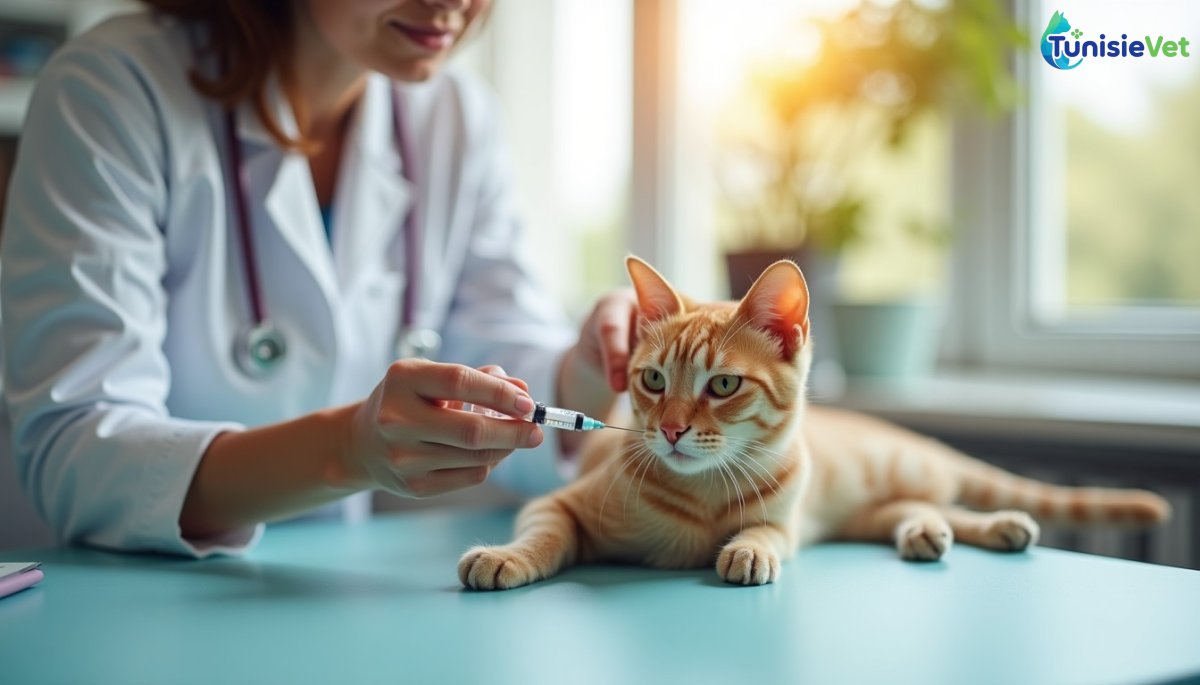
Cat vaccination following a well-structured schedule remains one of the most effective ways to protect your companion from serious infectious diseases. From kittenhood through adulthood, each stage of feline vaccination serves a precise purpose: building strong immunity, then maintaining it over time through regular boosters. This practical guide covers the recommended vaccination protocol, the essential vaccines, and how to manage boosters throughout your cat's life.
Why a feline vaccination schedule matters
Kittens are born with temporary protection passed on by their mother through colostrum, but this maternal immunity gradually fades during the first weeks of life, leaving a window of vulnerability. It's precisely during this period that vaccination needs to take over, without starting too early (maternal antibodies would neutralize the vaccine) or too late (the kitten would remain unprotected). This is why a structured schedule matters, with several closely spaced injections followed by boosters spread out over time.
Essential kitten vaccines: what age for the first shot?
The age for a cat's first vaccination is generally around two months old, as soon as maternal immunity starts to wane. The standard protocol involves an initial vaccination course of several successive injections, spaced three to four weeks apart, to ensure an optimal immune response even though residual maternal antibodies vary from one kitten to another.
- First injection: around two months of age, kicking off protection against the major viral diseases.
- Second injection: three to four weeks later, reinforcing the immune response.
- Possible additional injection: depending on weaning age and risk level, the vet may add an extra shot in between.
- First booster: about a year after the initial vaccination course, to lock in long-term protection.
This schedule can be adjusted by the vet depending on the kitten's health, its future lifestyle (strictly indoors or with outdoor access), and the infectious risks present in the area.
Diseases covered by the core vaccines
So-called "core" vaccines are recommended for all cats, regardless of lifestyle, because they protect against highly contagious and potentially fatal viral diseases, particularly those affecting the respiratory tract and digestive system. These diseases spread easily between cats, including through indirect contact, which is why systematic protection from a young age is so important.
Recommended vaccines for adult cats based on lifestyle
Beyond the core vaccines, certain "non-core" or optional vaccines are recommended depending on lifestyle and exposure to regional risks. The vet assesses these needs based on several factors:
- Whether or not the cat has outdoor access (garden, terrace, full freedom).
- Contact with other cats (colonies, boarding, shows, breeding).
- Specific infectious risks present in the area where the cat lives.
- The animal's general health and medical history.
A cat living exclusively indoors, with no contact with other cats, will have different vaccination needs than one with outdoor access or living in a group setting. This is why the vaccination protocol should always be tailored by a professional after a full clinical examination.
Cat vaccination protocol in Tunisia: adapting boosters to climate and lifestyle
In Tunisia, where many cats have outdoor access and often live in environments with frequent contact with other animals, it's especially important to discuss local risks with your vet based on where you live. Heat, the density of the cat population in certain neighborhoods, and outdoor living habits can all influence which vaccines are recommended and how often boosters are needed.
Managing feline vaccine boosters throughout life
Once the initial vaccination course and first booster have been completed, protection needs to be maintained through regular boosters, the frequency of which depends on the type of vaccine, the cat's age, and its exposure to risk. A few general principles to keep in mind:
- Never let a booster date slip by without checking with the vet, even if the cat seems perfectly healthy.
- Keep an up-to-date health record, essential if you change vets, travel, or board your cat.
- Report any lifestyle change (new outdoor access, adopting a second cat) that might call for an adjustment to the protocol.
- Take advantage of the booster visit for a general health check, often including a weight check, dental exam, and a review of deworming.
An older cat or one with chronic conditions may need an adapted vaccination protocol: the vet will weigh the benefits against the risks before each booster.
How to prepare well for your cat's vaccination visit
A few simple steps can help the appointment go as smoothly as possible:
- Transport the cat in a secure, familiar carrier.
- Avoid overfeeding the cat right before travel, especially in hot weather.
- Bring the health record so the vet has the full history on hand.
- Mention any unusual reaction observed after a previous vaccination.
Only a vet specialized in cats can put together a personalized vaccination protocol that takes into account your cat's age, lifestyle, and health status. Don't hesitate to see a professional regularly to ensure continuous, tailored protection.
At what age should a cat get its first vaccine booster?
The first booster generally comes about a year after completing the initial vaccination course started during the kitten's first months of life. This booster is essential for locking in the immunity that's been built up. After this stage, the frequency of subsequent boosters is determined by the vet based on the type of vaccine and the cat's lifestyle.
Need a professional opinion? If in doubt or in an emergency, find a veterinarian near you on TunisieVet.
Leave a comment
Be the first to comment on this article.