
Horse Vaccinations: A Complete Beginner's Guide
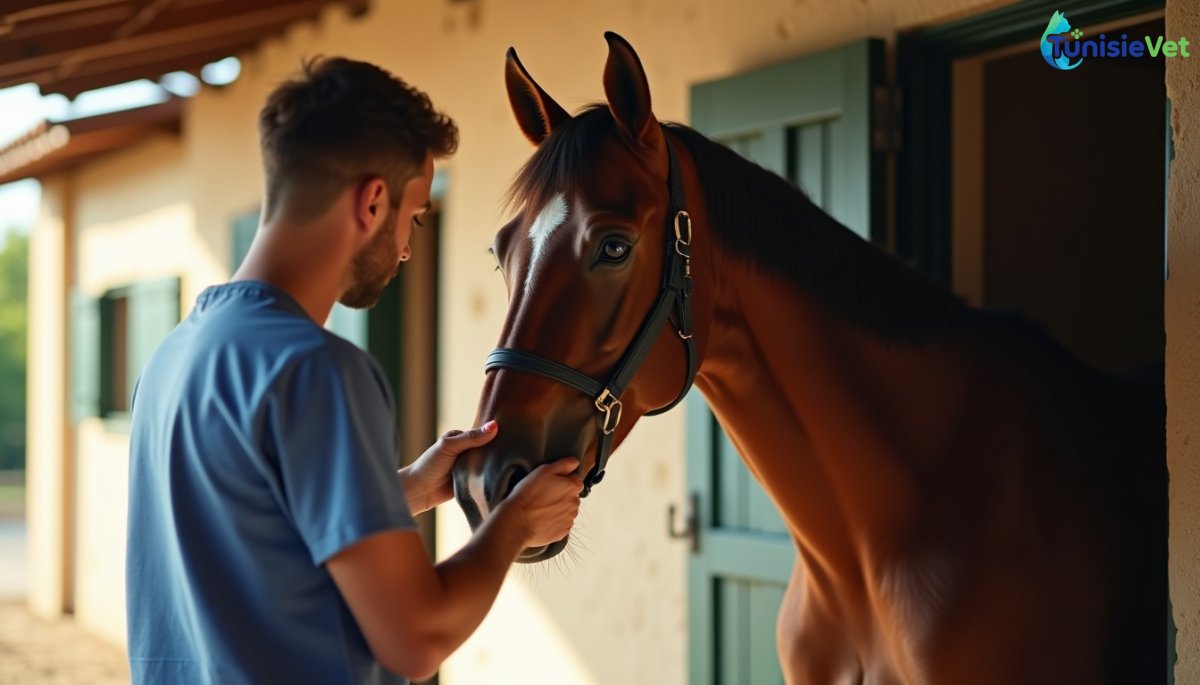
Horse vaccinations are one of the cornerstones of equine health care, right alongside a good diet and regular hoof trimming. Whether you're a new owner of a leisure horse or you run a small breeding operation, understanding why, when and how to vaccinate your horse will save you a lot of trouble down the road. This practical guide brings together essential veterinary advice to help you get started with confidence, without the jargon.
Why vaccination matters so much for horses
Horses are exposed to all kinds of infectious agents, whether out at pasture, at competitions, in shared boarding facilities, or simply in contact with other horses during trail rides. Vaccination works by stimulating the animal's immune defences before it encounters a pathogen, which lowers the risk of serious illness, complications, or spreading disease to other horses.
A properly vaccinated horse also finds it easier to travel, compete, or move into a new stable, since many regulations require an up-to-date vaccination record.
Key principles to keep in mind
- Vaccination doesn't provide instant protection: it usually requires an initial vaccination course of several injections, followed by regular boosters.
- A weakened, sick, or highly stressed horse should not be vaccinated without first getting veterinary advice.
- Every horse has a different risk profile depending on its lifestyle (pasture, stall, competition, breeding), which shapes the recommended vaccination protocol.
Getting started: the vaccination protocol for young horses
For a foal or a horse that has never been vaccinated, building effective protection is a gradual process. The treating veterinarian assesses the horse's age, health status, and living conditions to draw up a suitable schedule.
- A general health check-up before any injection, to make sure the horse is fit to be vaccinated.
- An initial vaccination phase, usually made up of several spaced-out injections, to build solid immunity.
- Regular boosters afterwards, with frequency depending on the type of vaccine and the horse's level of exposure.
It's recommended to keep an up-to-date vaccination record, an essential document for any travel, boarding, or participation in equestrian events.
Common mistakes to avoid
Many first-time owners make avoidable mistakes that reduce the effectiveness of vaccination or put their horse's health at risk.
- Forgetting booster shots: vaccine protection fades over time; without boosters, immunity can become insufficient.
- Vaccinating a sick or feverish horse: this can weaken the immune response and worsen the horse's condition.
- Vaccinating right before intense exercise or a long transport: it's best to let the horse rest for a few days after the injection.
- Improvising without professional advice: every horse has specific needs based on age, activity level, and environment.
- Neglecting record-keeping: failing to log vaccination dates makes follow-up harder and can cause issues during inspections or sales.
Good daily habits to adopt
Beyond vaccination itself, a few simple habits help strengthen your horse's overall protection:
- Check the horse's general condition daily: appetite, behaviour, and body temperature if needed.
- Keep the environment clean: washed water troughs, healthy bedding, and non-stagnant water sources.
- Limit contact with horses whose vaccination status is unknown, especially at gatherings or when new arrivals join the stable.
- Schedule booster shots alongside other routine care (deworming, dental check-ups) so nothing gets forgotten.
- Keep a first-aid kit and an equine veterinarian's contact details within easy reach.
Vaccination is part of a broader prevention strategy: it never replaces good daily care, a suitable diet, and close monitoring of your horse.
Should you consult a vet before every vaccination?
Yes: only a veterinarian can assess the horse's health, choose the protocol best suited to its lifestyle, and adjust the vaccination schedule based on its age and medical history. A prior check-up also helps detect any temporary contraindication, such as a fever or an ongoing infection.
To set up a reliable vaccination protocol tailored to your horse, the safest option is always to consult a qualified professional. You can browse the directory of veterinarians specialized in horses to find a practitioner near you and confidently schedule a first appointment.
Need a professional opinion? If in doubt or in an emergency, find a veterinarian near you on TunisieVet.
Leave a comment
Be the first to comment on this article.