
Sheep Vaccination: A Complete Guide for Getting Started
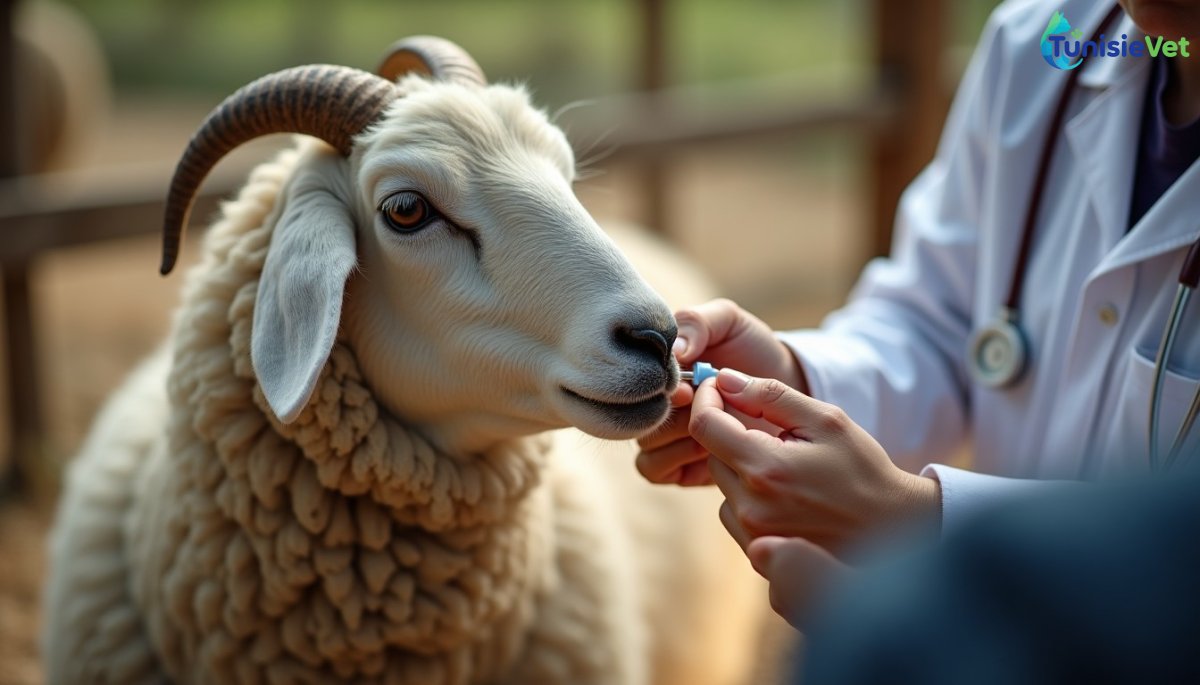
Sheep vaccination is one of the pillars of flock health, whether you're raising a handful of ewes on a small family farm or managing a larger herd. When done properly, it protects both lambs and adults from diseases that are often serious but preventable. Yet many first-time shepherds hesitate: when should you vaccinate, how do you organize a schedule, and what mistakes should you avoid? This practical guide brings together essential veterinary advice to help you get started with confidence, without unnecessary jargon.
Why vaccinate your sheep flock?
Vaccination doesn't replace good nutrition or rigorous hygiene, but it complements these good practices by strengthening animals' immune defenses against specific pathogens. In sheep, certain diseases spread quickly through a flock living in close quarters, especially during lambing or under stressful conditions (transport, feed changes, overcrowding). A well-designed vaccination program helps to:
- Reduce the risk of sudden losses, particularly among the most vulnerable lambs;
- Limit the spread of contagious diseases within the flock;
- Protect animals during sensitive periods such as pregnancy, lambing, and weaning;
- Improve the overall profitability of the farm by avoiding the cost of curative treatments, which are often more expensive than well-managed prevention.
The basics of a good vaccination schedule
There's no single schedule that works for every farm: the program should be tailored to the animals' age, the region, the farming method (open pasture, sheepfold, transhumance), and diseases already present locally. That said, a few general principles apply everywhere:
For lambs
- Very young lambs benefit from protection passed on through their mother's colostrum, provided she was properly vaccinated beforehand;
- The lamb's own first injections usually come after this period of maternal protection, once the immune system is mature enough;
- A booster is often needed a few weeks after the initial vaccination to strengthen immunity.
For adult ewes and rams
- Breeding females are frequently vaccinated before lambing so they can pass on quality immunity through their colostrum;
- An annual booster is generally recommended to maintain adequate protection throughout the year;
- Animals newly introduced to the flock should have their vaccinations updated before joining, to avoid bringing in a health risk.
Common mistakes to avoid
Many vaccination-related problems don't come from the vaccine itself, but from the way it's used. Here are the most common mistakes made by beginner farmers:
- Vaccinating sick or weakened animals: vaccination should only be carried out on animals that appear healthy; a feverish or parasite-ridden animal will respond poorly, and the added stress can worsen its condition.
- Neglecting the cold chain: many vaccines must be refrigerated and kept away from heat; a poorly stored vial loses its effectiveness without any visible sign.
- Skipping boosters: a single injection usually isn't enough to ensure lasting protection; without a booster, immunity can drop off quickly.
- Reusing unsterilized equipment: syringes and needles must be clean to avoid transmitting other infections during injection.
- Improvising without professional advice: every farm has its own particularities; a vaccination program copied from a neighbor's flock isn't necessarily right for your own.
Good habits to adopt every day
Beyond the vaccination schedule itself, a few simple habits make all the difference:
- Keep a written record of vaccinations (date, animal, product used) to avoid forgetting anything and to track the flock's history;
- Watch the animals in the hours following an injection to catch any possible reaction;
- Set up a calm, clean space for handling animals without unnecessary stress;
- Adjust the program based on the advice of a professional familiar with the health realities of your region;
- Never mix several vaccines in the same syringe without prior validation, as this can cancel out their effectiveness.
To build a program that's truly suited to your flock, it's strongly recommended to consult a professional. You can browse the directory of veterinarians specialized in sheep care to get personalized support, from setting up the vaccination schedule to the flock's overall health monitoring.
Should you vaccinate a single isolated animal or the whole flock?
In the vast majority of cases, it's recommended to vaccinate the entire flock rather than a single isolated animal, since the diseases in question spread easily within a group. Vaccinating only a few individuals leaves the rest of the flock vulnerable and can undermine the overall effectiveness of prevention. A veterinarian can confirm the best strategy for your specific situation.
Need a professional opinion? If in doubt or in an emergency, find a veterinarian near you on TunisieVet.
Leave a comment
Be the first to comment on this article.