
Chicken Vaccines: A Complete Beginner's Guide
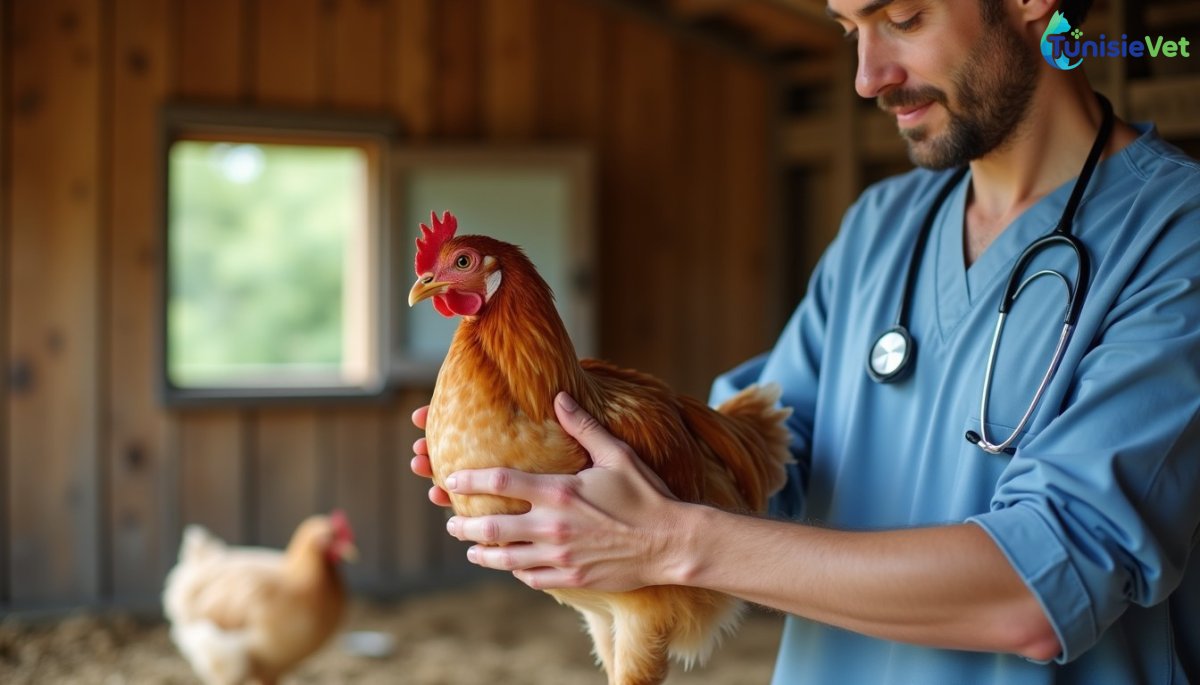
Protecting a flock from disease starts well before the first symptoms appear. Chicken vaccines are a cornerstone of prevention, right alongside good hygiene and proper nutrition. Whether you're a new poultry keeper or simply raising a few hens in your backyard, understanding the basics of vaccination can help you avoid preventable losses and limit the spread of disease within your flock. This practical guide covers the essentials, the most common mistakes, and the good habits worth adopting.
Why vaccinate your chickens?
Chickens, whether kept in a small backyard group or in larger numbers, often live in close quarters with one another. This proximity makes it easy for certain contagious diseases to spread quickly. Vaccination helps to:
- Strengthen birds' immune defenses against the most common pathogens;
- Reduce the risk of death if exposed to disease;
- Limit the spread of illness throughout the flock or to neighboring farms;
- Protect the keeper's investment, especially when the flock holds significant economic or sentimental value.
It's worth remembering that vaccination isn't a stand-alone miracle solution: it's part of a broader prevention strategy that includes good hygiene, balanced nutrition, and regular monitoring of the birds' behavior.
Good habits before starting a vaccination protocol
Observe before acting
Before vaccinating, it's essential to make sure the birds appear to be in good health. Vaccinating an animal that's already weak or sick can backfire, further weakening its system.
Tailor the protocol to your situation
The choice of vaccines and the schedule to follow depend on several factors: the birds' age, the type of operation (free-range, semi-enclosed, intensive), the size of the flock, and the health risks present in your area. There's no one-size-fits-all protocol that works for every flock.
Follow storage guidelines carefully
A poorly stored vaccine—exposed to heat or light for too long—can lose its effectiveness. Maintaining the cold chain and following the usage instructions on the product label is essential to ensure real protection.
Common mistakes to avoid
Many beginners make mistakes that reduce the effectiveness of vaccination or put the flock's health at risk. Some of the most frequent include:
- Vaccinating without a prior diagnosis: improvising a protocol without professional advice can mean protecting against the wrong disease or overlooking a real risk present on the farm.
- Overlooking stress in the birds: transport, handling, or a sudden change in environment at the time of vaccination can weaken chickens and reduce their immune response.
- Forgetting booster shots: some vaccines require multiple doses for lasting protection. A missed booster can render the first dose insufficient.
- Combining vaccination with medication carelessly: certain treatments can interfere with a vaccine's effectiveness. It's best to seek advice before combining the two.
- Neglecting equipment hygiene: poorly cleaned syringes, needles, or administration tools can transmit other infectious agents right at the moment of vaccination.
Building a lasting health monitoring routine
Vaccination fits into a broader health routine. A few simple habits can boost its effectiveness:
- Keep a log of vaccination and booster dates for each group of birds;
- Check daily on behavior, appetite, and droppings as indicators of good health;
- Quarantine any newcomer before introducing it to the rest of the flock, to limit the risk of bringing in disease;
- Regularly clean the coop, feeders, and waterers;
- Adjust feed according to the birds' age and production stage.
Given how much flock situations and regional health risks can vary, it's strongly recommended to have your flock assessed by a professional before choosing a vaccination protocol. A veterinarian can suggest a schedule tailored to your birds' age, breed, and living conditions. To find a qualified professional near you, check out the directory of veterinarians specialized in chickens and poultry.
What's the best time to vaccinate your chickens?
The ideal timing depends on the birds' age and the type of protection needed: some vaccines are given at a young age, while others require booster shots at regular intervals. An animal health professional remains the best resource for setting up a precise schedule tailored to your flock.
Need a professional opinion? If in doubt or in an emergency, find a veterinarian near you on TunisieVet.
Leave a comment
Be the first to comment on this article.