
Livestock Feeding: Balanced Rations for Every Life Stage
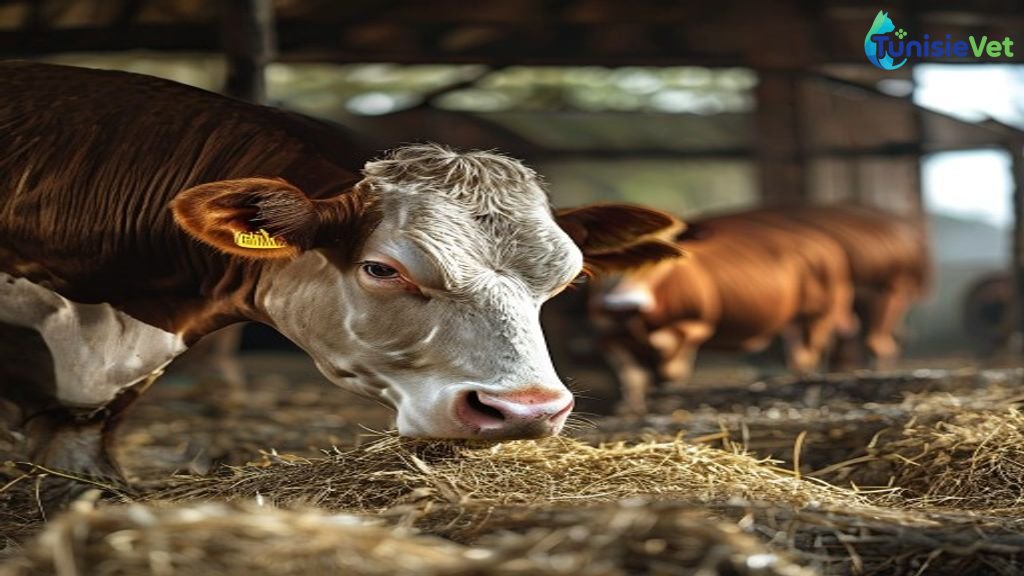
Good livestock feeding is about far more than filling the trough: it's the foundation of herd health, fertility and productivity, whether you're raising animals for milk, meat or wool. A poorly balanced cattle ration or sheep ration leads to deficiencies, digestive problems and avoidable economic losses. Here are the key principles of sound livestock nutrition, tailored to each physiological stage of the animal.
The fundamentals of a balanced ration
Whatever the species, a ration must cover four main categories of needs: energy, protein, fibre and minerals/vitamins. The balance between these elements shapes digestion, growth and reproduction.
- Energy comes from cereals and energy-rich forages; it fuels activity, milk production and weight gain.
- Protein is essential for muscle growth, lactation and pregnancy.
- Fibre (hay, straw, green forage) keeps the rumen functioning properly in ruminants and prevents digestive disorders.
- Minerals and vitamins (calcium, phosphorus, sodium, trace elements) support immunity, bone strength and fertility.
Clean, fresh water must always be available at will: water intake directly affects feed intake and milk yield.
Adjusting the cattle ration by physiological stage
A cow's or ewe's nutritional needs vary greatly depending on whether she is growing, pregnant, lactating or simply being maintained. Feeding the same fixed ration year-round is a common mistake.
Growing animals
Young animals have high protein requirements to build their skeleton and muscle mass. A deficiency at this stage permanently slows growth and delays the age at first calving/lambing or entry into production.
Pregnant females
In late pregnancy, energy and mineral needs rise sharply, particularly calcium and phosphorus, to support foetal development and prepare for the coming lactation. An insufficient ration at this stage increases the risk of complications at calving or lambing.
Lactating females
This is the most demanding stage: milk production draws heavily on the animal's energy and protein reserves. The ration should be increased gradually at the start of lactation, with body condition monitored closely to avoid excessive weight loss.
Maintenance animals
A non-productive adult (a resting breeding male or a dry female) has more modest needs: an overly rich ration leads to unnecessary and costly overweight, which is just as harmful as underfeeding.
Forage, concentrates and supplements: finding the right balance
The backbone of any ruminant ration remains forage (grass, hay, straw, silage), which must be good quality, clean and free of mould. Concentrates (cereals, oilseed meals) supplement energy and protein needs when forage alone isn't enough, especially during periods of intense production.
- Introduce any dietary change gradually, over several days, to avoid digestive upsets.
- Never give a large amount of concentrate suddenly: the risk of ruminal acidosis is very real in cattle and sheep.
- Use mineral licks or a salt block to cover basic mineral requirements.
- Adjust quantities to the season: needs increase during cold spells or periods of high activity.
Spotting the signs of an unbalanced diet
An attentive farmer can quickly pick up on warning signs:
- Weight loss or declining body condition despite an apparently adequate ration.
- Dull coat, dry skin, drop in milk production.
- Recurring digestive problems (diarrhoea, bloat).
- Fertility issues or stunted growth in young animals.
These signs should prompt a prompt review of the ration, taking into account the animal's physiological stage and the actual quality of the available forage. When in doubt, a professional's advice remains the best way to properly adjust feeding and prevent nutrition-related diseases. Don't hesitate to consult veterinarians specialised in cattle or veterinarians for sheep to build a feeding plan suited to your herd.
What's the best feeding frequency?
For ruminants, it's best to split forage distribution into several feedings throughout the day rather than one large portion. This stabilises rumen pH, improves digestion and reduces waste. Forage should always be available in sufficient quantity, supplemented with concentrates at the time best suited to the production stage.
Feeding livestock well is a daily task built on observation, regular adjustments and common sense. A ration designed around each animal's physiological stage remains the best investment for herd health and the long-term success of the farm.
Need a professional opinion? If in doubt or in an emergency, find a veterinarian near you on TunisieVet.
Leave a comment
Be the first to comment on this article.