
Livestock Feeding: Balanced Rations at Every Life Stage
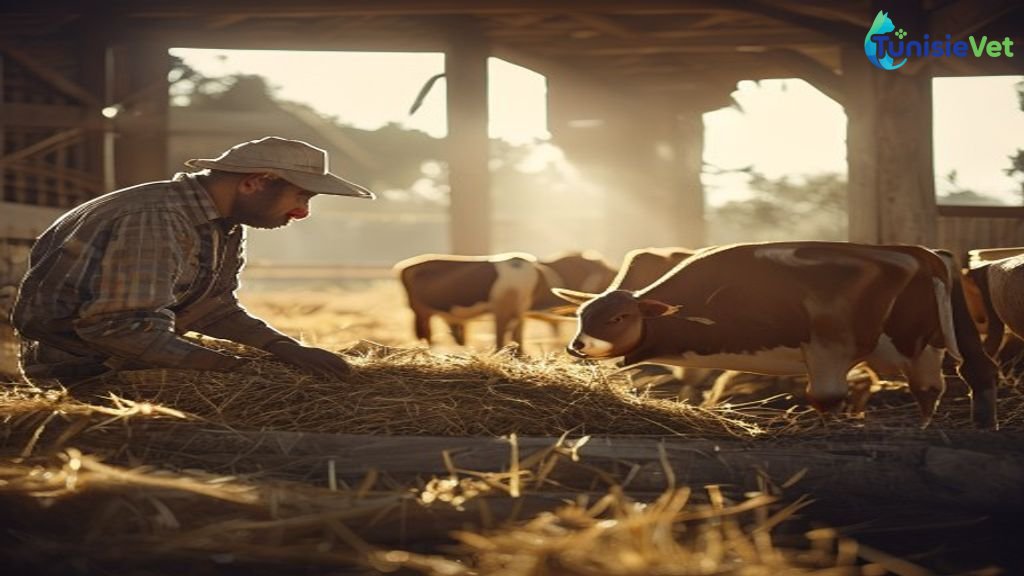
Good livestock feeding is the cornerstone of a healthy, productive farm. Whether you raise cattle, sheep or goats, the cattle ration or sheep ration must be tailored to the animal's age, weight and, above all, physiological stage. An unbalanced ration leads to slower growth, reproductive problems and weaker immunity. Here are the essential basics for building sound, sustainable livestock nutrition.
The core principles of a balanced ration
A balanced ration must supply energy, protein, fibre, minerals and vitamins in the right proportions. It rests on three inseparable pillars:
- Forage (hay, straw, pasture grass, silage), which provides the fibrous base essential for proper rumen function.
- Concentrates (grains, oilseed meals), which boost energy and protein intake when requirements rise.
- Minerals and vitamins, often given as licking blocks or supplements, essential for reproduction, bone strength and immunity.
Clean, fresh water available at all times rounds out this balance: an animal that drinks too little eats less and digests poorly.
Adjusting the ration to each physiological stage
Nutritional needs are never fixed — they vary considerably depending on the animal's life stage.
Maintenance and growth
An adult animal on a maintenance diet (with no particular production demand) has modest needs, largely covered by good-quality forage. Growing youngsters, on the other hand, need more protein and energy to support muscle and bone development, along with a well-dosed increase in concentrates.
Pregnancy
During pregnancy, needs stay moderate at first, then rise sharply in the final third, when the fetus gains the most weight. Underfeeding at this stage can weaken the mother and jeopardise the newborn's vitality.
Lactation
Lactation is the most demanding period: milk production requires high energy and protein intake, plus extra minerals (calcium, phosphorus) to prevent deficiencies. A poorly fed nursing female sees her milk yield drop and draws on her body reserves, which can delay her next reproductive cycle.
Managing forage and supplements properly
Quality matters more than quantity. Mouldy, dusty or overly mature hay loses much of its nutritional value and can even harm digestive health. A few good practices to follow:
- Store forage away from moisture and excessive heat.
- Introduce any feed change gradually to avoid disrupting rumen flora.
- Split concentrate feeding into several smaller meals rather than one large ration, especially for high-producing animals.
- Keep a salt lick or mineral block available at all times.
Spotting the signs of a poorly balanced ration
Certain signs should alert the farmer:
- Weight loss or declining body condition despite adequate access to feed.
- Dull coat, reduced vitality, drop in milk yield.
- Recurring digestive issues (bloating, diarrhoea).
- Fertility problems or repeated abortions.
These symptoms can stem from nutritional or health-related causes. An accurate diagnosis calls for a professional eye: don't hesitate to consult veterinarians specialised in cattle or veterinarians for sheep to fine-tune the ration based on the herd's actual condition and prevent long-term deficiencies.
What's the best feeding plan for healthy livestock?
There's no single recipe: the best feeding plan combines quality forage, supplements suited to the physiological stage, and clean water available at all times. Regular herd observation and gradual ration adjustments remain the best tools for preventing deficiencies and supporting long-term productivity.
Need a professional opinion? If in doubt or in an emergency, find a veterinarian near you on TunisieVet.
Leave a comment
Be the first to comment on this article.