
Feeding Draft Horses in Tunisia: Rationing by Season
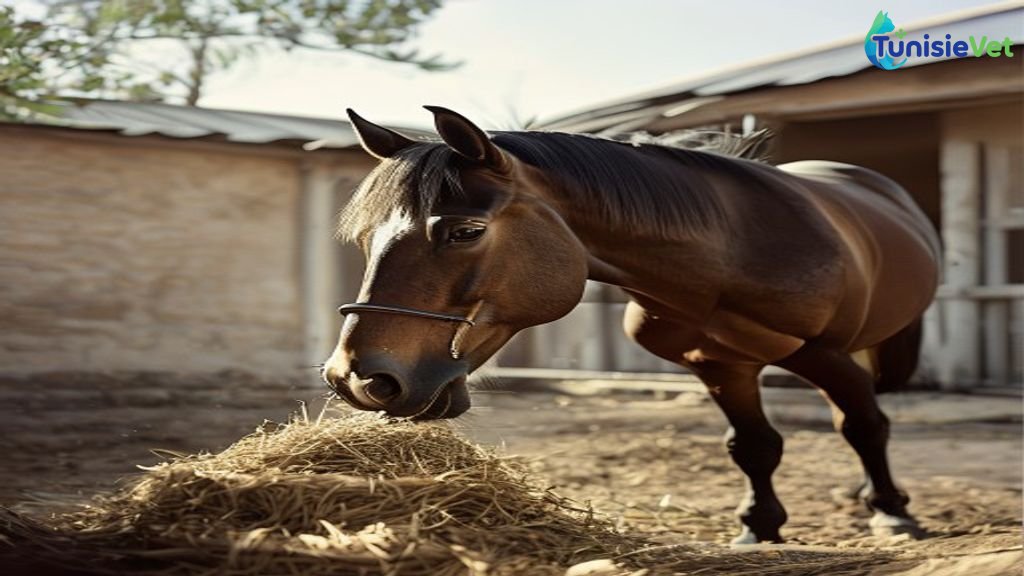
Draft horse feeding in Tunisia remains a real challenge for many owners, whether their horses work in the fields, pull a cart, or take part in traditional events. A well-fed draft horse works longer hours, falls ill less often, and ultimately costs less over time than a poorly fed animal. Adapting the ration to the seasons is the key to avoiding deficiencies while keeping the budget under control.
Basic nutritional needs of a working draft horse
A working horse burns far more energy than one at rest. Feeding a working horse should therefore rely on three complementary pillars:
- Forage: hay, straw, fresh grass or pasture, the essential foundation of equine digestion;
- Concentrates: barley, oats, bran, or compound feeds, providing the extra energy needed for work;
- Minerals and water: salt, lick blocks, a vitamin-mineral supplement, and above all constant access to clean, fresh water.
A draft horse in regular work needs a ration richer in concentrates than a horse at rest, but forage should always remain the largest share of the ration to protect good digestion and prevent colic.
The special case of the Barb horse
The Barb horse's diet deserves particular attention: this hardy breed, well suited to the local climate, makes very efficient use of simple forage and copes relatively well with seasonal changes. That said, hardiness should not be mistaken for a lack of needs: even a robust Barb horse requires a balanced ration to maintain good body condition and working ability.
Adjusting seasonal forage for horses
Seasonal forage for horses varies greatly depending on the time of year, and this is often where deficiencies or excesses arise.
During hot, dry periods
- Favor good-quality hay, clean and dust-free, when green pasture is not available;
- Split meals into smaller portions to avoid large feeds during peak heat;
- Increase watering frequency and monitor water intake, which naturally rises;
- Provide shade and avoid intense work during the hottest hours.
During cool, damp periods
- If fresh grass is available, introduce it gradually to avoid digestive upset;
- Slightly increase the energy content of the ration if work remains demanding and cold weather raises thermoregulation needs;
- Make sure water stays accessible and doesn't freeze in cooler, higher-altitude areas.
In all cases, any change in diet should be introduced gradually, over several days, to give the digestive flora time to adjust.
Concentrates: meeting the energy demands of work
Concentrate needs for working horses should be adjusted to the intensity and duration of the work:
- Occasional light work: forage alone, supplemented with a little salt, is often enough;
- Regular moderate work: add a small amount of grain (barley, oats) split across several meals;
- Intense, prolonged work: gradually increase concentrates, but never exceed about half of the total ration—forage must always remain dominant.
Too many concentrates without enough forage can cause serious digestive problems (colic, laminitis). On the other hand, a lack of energy shows up as weight loss, rapid fatigue, and reduced work performance.
Preventing nutritional deficiencies and monitoring body condition
The most common nutritional deficiency in horses involves minerals (calcium, phosphorus, sodium) and sometimes vitamins toward the end of the dry season, when forage quality declines. Watch for these warning signs:
- Dull coat, unexplained weight loss;
- Unusual fatigue, declining work performance;
- Skin, hoof, or mane problems;
- Abnormal appetite (licking soil or walls).
A suitable vitamin-mineral supplement, combined with regular access to salt, can prevent most of these deficiencies at little extra cost. If there's any doubt about the animal's health or weight, it's always best to seek advice from qualified professionals—for example through the directory of veterinarians specializing in horses, who can accurately assess the animal's needs.
Managing a horse feed budget without compromising health
A well-managed horse feed budget starts above all with planning ahead:
- Stock up on quality hay during periods of abundance for the leaner months;
- Reduce waste by using proper hay racks or feeders;
- Weigh or estimate rations rather than feeding "by eye," which avoids costly and unnecessary overfeeding;
- Match the ration to the horse's actual workload, without overfeeding on rest days.
What is the best ration for a draft horse working every day?
A draft horse working daily needs good-quality forage available in sufficient quantity, supplemented with energy-rich concentrates split into several small meals. Regular salt and mineral supplementation, along with constant access to fresh water, round out a balanced ration suited to the effort the horse puts in.
Need a professional opinion? If in doubt or in an emergency, find a veterinarian near you on TunisieVet.
Leave a comment
Be the first to comment on this article.