
Horse Feeding Guide: Balancing Hay, Grain and Workload
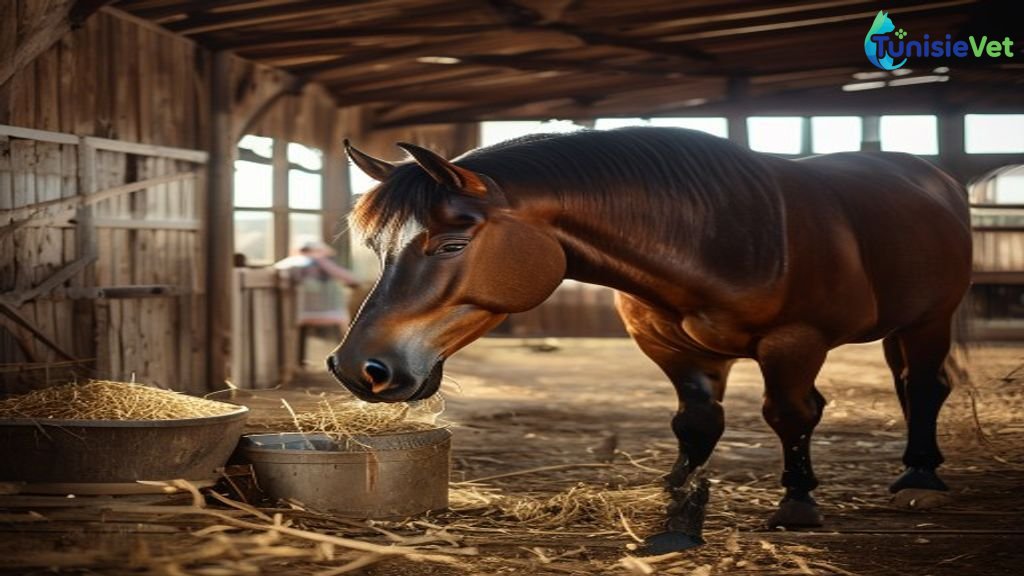
Horse feeding for a working horse is never a fixed recipe: it has to change with the seasons, the workload and the weather. In a Mediterranean climate marked by very hot, dry summers and milder but humid winters, the feeding ration needs regular fine-tuning to avoid two common pitfalls: underfeeding, which leaves the horse fatigued, and digestive overload, which can trigger colic or laminitis. Here are the practical principles for keeping a working horse in good condition all year round.
The basics of a balanced horse diet
Whatever the season, hay should always remain the non-negotiable foundation of the diet. A horse needs enough fibre to keep its digestive system working properly, stave off boredom, and limit behavioural issues linked to too little chewing time. Grains (oats, barley, commercial mixes) are only an energy supplement, to be given according to the actual amount of work done, never as a routine addition.
- Always split hay into several small meals rather than one or two large ones.
- Introduce any dietary change gradually, over several days, to avoid upsetting the gut flora.
- Match the amount of concentrates (grain) to the horse's actual activity level, not to a fixed standard.
- Provide fresh, clean water at all times, in generous quantities.
Seasonal nutrition for horses
Summer: heat and digestive caution
During hot spells, a horse's appetite often drops, even as its water and electrolyte needs rise with sweating. It's advisable to:
- Feed during the coolest hours of the day (early morning, late evening).
- Make sure hay is good quality and dust-free, to help offset a sometimes-reduced feed intake.
- Keep an eye on water intake and, if needed and on professional advice, offer a salt or electrolyte supplement after strenuous exercise.
- Avoid grain-heavy rations when workload is reduced during the hottest periods.
Winter: supporting thermoregulation
When temperatures drop, especially at night, a horse's energy needs increase to help maintain body heat. Hay plays a central role here: its digestive fermentation generates internal heat, making it a valuable ally in cold weather.
- Slightly increase the hay ration rather than the grain ration to cover the extra energy needs.
- Make sure water stays accessible and isn't icy cold, as horses drink less very cold water.
- Adjust blanketing and shelter alongside feeding, rather than relying on diet alone to help the horse cope.
Adjusting the ration to workload intensity
The basic principle is simple: the more intense and regular the work, the higher the energy needs, but any increase in concentrates must remain gradual and proportionate.
- Resting horse or light work: hay alone is generally enough to cover needs, with minimal concentrates.
- Regular moderate work: a reasonable amount of grain or concentrated feed can be introduced to support the effort, without exceeding digestive capacity.
- Intense or sustained work: energy intake should be increased carefully, split into several small meals, never as one large ration, which risks digestive upset.
In all cases, it's essential to allow enough time for digestion between feeding and exercise, and to avoid working a horse right after a concentrate-rich meal.
Supplements and digestive care
Feed supplements (minerals, vitamins, electrolytes) can be helpful for supporting a working horse, particularly during seasonal changes or periods of increased effort. However, they should complement a solid base diet, not replace it. Any major dietary change, loss of appetite, unusual drop in condition, or sign of digestive trouble calls for professional advice rather than a trial-and-error adjustment.
Regular follow-up with a veterinarian specialised in horses makes it possible to fine-tune the ration to each animal's age, body condition and workload, taking into account individual factors that this general guide cannot cover.
Should you change a horse's diet with every season?
Yes, to some extent: energy and water needs shift with temperature and activity level. The key is to gradually adjust the amounts of hay and grain rather than the nature of the diet itself, and to always favour slow transitions to protect the horse's digestive health.
Need a professional opinion? If in doubt or in an emergency, find a veterinarian near you on TunisieVet.
Leave a comment
Be the first to comment on this article.