
Farm Biosecurity: Simple Steps to Protect Your Livestock

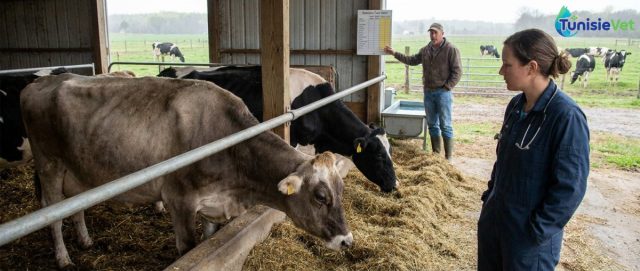
Farm biosecurity covers all the practical measures that keep diseases from entering and spreading through a farm. Whether you raise cattle, sheep, goats or poultry, protecting your livestock doesn't necessarily require heavy investment: most effective practices simply rely on organisation, discipline and daily hygiene. Here are the fundamentals to put in place, whatever the size of your operation.
Why biosecurity is the farm's first line of defence
A farm is a living environment, crossed every day by animals, people, vehicles and equipment. Any of these can unintentionally carry pathogens (viruses, bacteria, parasites) from one farm to another. Disease prevention on the farm isn't about reacting once symptoms appear, but about stopping germs from getting in or spreading in the first place. This approach is usually cheaper and less stressful for the animals than curative treatment, and it also limits economic losses linked to reduced production or mortality.
Quarantine: a step you should never skip
Introducing new animals is one of the main entry points for disease. Before adding an animal to the rest of the herd, a few precautions are essential:
- Isolate any newcomer in a separate space, away from the main herd, for a sufficient observation period.
- Watch the animal closely: appetite, behaviour, droppings, breathing, and any signs of lameness or skin lesions.
- Clean and disinfect any equipment used for this animal before reusing it elsewhere.
- Avoid any direct contact between the quarantined animal and the rest of the herd, including shared water or bedding.
The same logic applies to animals returning from a show, market or competition, since these gatherings make it easy for germs to pass between farms.
Building and equipment hygiene: the backbone of farm biosecurity
A clean, dry environment
Germs multiply more easily in damp, dirty or poorly ventilated surroundings. Regularly cleaning floors, feeders, waterers and bedding significantly cuts down the pathogen load. It's also recommended to:
- Replace bedding before it becomes wet or soiled.
- Ensure good ventilation in buildings to limit humidity and ammonia odours.
- Clean and disinfect equipment (buckets, wheelbarrows, tools) after each use, especially if it's shared between different groups of animals.
- Set aside separate areas for feed storage, protected from moisture and pests (rodents, wild birds).
Managing water and feed
Water and feed are common sources of contamination. Make sure animals have clean, regularly refreshed water, clean waterers often, and store feed under conditions that prevent mould and cross-contamination between batches.
Controlling visitors and traffic on the farm
People moving around the farm (visitors, delivery staff, technicians, other farmers) can carry germs on their boots, clothing or vehicles. A few simple habits go a long way in reducing this risk:
- Restrict access to livestock areas to only those who really need to be there.
- Provide dedicated boots or overshoes for the farm that are never worn outside it.
- Set up a handwashing station or disinfectant solution at building entrances.
- Clean the wheels and undercarriage of vehicles entering the farm, particularly feed delivery trucks or animal transport vehicles.
- Avoid letting visitors who have recently been in contact with another farm come into direct contact with your animals.
Daily monitoring and managing sick animals
Biosecurity doesn't stop at the farm gate: it also relies on careful, regular observation of the herd. An animal that isolates itself, eats less or shows unusual signs should be identified quickly and separated from the others if needed, while awaiting professional advice. This kind of responsiveness prevents an individual issue from turning into an outbreak across the herd.
It's also worth keeping a simple log of health events (births, illnesses, treatments) to make it easier to spot patterns or recurring issues on the farm.
If you're unsure about an animal's health, or want to set up a biosecurity protocol tailored to your farm, working with a professional is the best guarantee of success. You can check the vet directory to find a practitioner near you and get advice tailored to your type of livestock.
What are the most important biosecurity practices to remember?
The three key pillars are systematic quarantine of new animals, rigorous hygiene of buildings and equipment, and strict control of people and vehicles entering the farm. Applied together and consistently, these simple practices greatly reduce the risk of disease entering and spreading through the herd.
Leave a comment
Be the first to comment on this article.

📱 عندك صفحة على فايسبوك؟ باهي… أما وين موقعك؟ الصفحة وحدها ما تكفيش. موقعك يخلي الناس تلقاك، يعرفوك أكثر ويثقو في خدمتك. 🌐 موقع باسم مشروعك 📲 يخدم أربعة وعشرين ساعة 🤝 يعطي ثقة واحترافية .📈 يعاونك تكبّر خدمتك خلّيه موجود وين الناس تلوّج عليه 🚀نعملولك موقع يشرّف مشروعك
WhatsApp