
Farm Biosecurity: Simple Steps That Protect Your Whole Herd
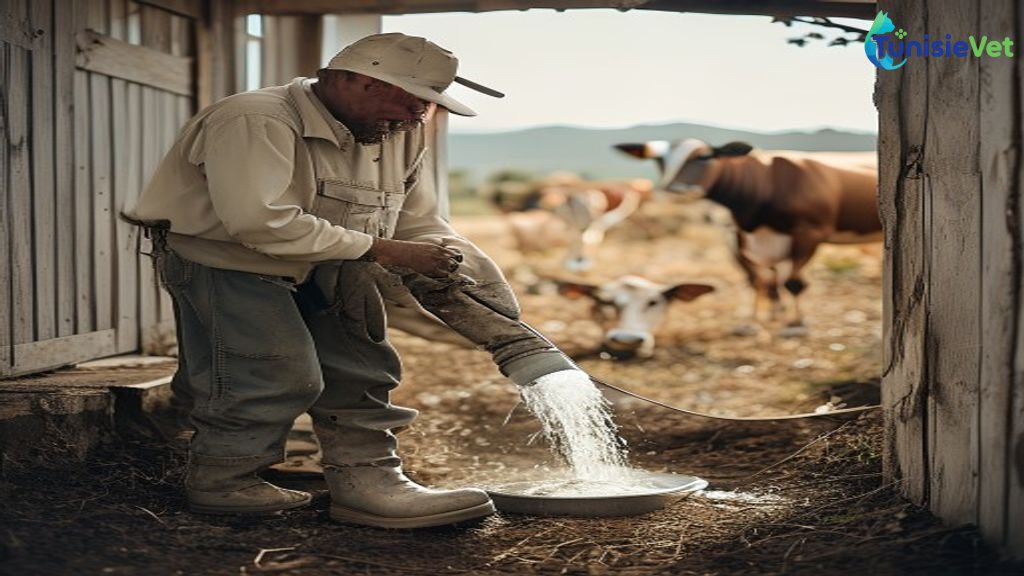
Farm biosecurity covers the simple, everyday measures that keep diseases from entering and spreading through a livestock operation. Whether you raise cattle, sheep, goats, poultry or horses, a handful of well-established habits are often enough to protect your herd effectively, without heavy investment or sophisticated equipment. Here are the essential practices every farmer should know to reduce health risks day to day.
Why biosecurity is a farm's first line of defense
A pathogen never moves on its own: it travels through animals, people, vehicles, equipment, or even pests. Disease prevention on the farm therefore starts with controlling these routes of transmission. It's always better to keep a disease out than to treat it once it has taken hold in the herd: treatment is costly, time-consuming, and some losses - deaths, reduced production, permanently weakened animals - simply can't be undone.
The good news is that biosecurity doesn't require complex technology. It mainly relies on discipline, organization, and consistency in daily routines.
Quarantine: an essential step to protect your herd
Every new animal brought onto the farm - whether purchased, given, or returning from a show or breeding - should be isolated before joining the rest of the herd. This is the single most effective way to prevent an animal carrying a disease (sometimes with no visible symptoms) from infecting the whole group.
- Set up a separate space, away from the other animals, with its own equipment (buckets, bedding, care tools).
- Watch the isolated animal closely: appetite, behavior, stool condition, breathing, any lameness or wounds.
- Only bring the animal in with the rest of the herd after a sufficient observation period and with no suspicious signs.
- Apply the same caution after transport, exhibitions, or contact with outside animals (markets, shows, shared pasture).
If you have any doubt about the health of a quarantined animal, it's always best to consult a professional quickly rather than wait for things to worsen.
Hygiene for equipment, buildings, and people
Hygiene is the second pillar of farm biosecurity. It reduces the load of pathogens in the environment and limits opportunities for cross-contamination.
Regular cleaning and disinfection
- Clean and then disinfect pens, stalls, coops, and shelters between batches of animals or at regular intervals.
- Change bedding frequently and avoid moisture buildup, which encourages germ growth.
- Clean feeders and waterers daily, and make sure the water provided stays clean and fresh.
- As much as possible, dedicate equipment (forks, buckets, wheelbarrows) to each building or group of animals, to avoid carrying germs from one batch to another.
Hygiene for people working on the farm
- Wash your hands thoroughly before and after any contact with the animals.
- Change boots or use a disinfectant footbath when entering livestock buildings.
- Wear clothing dedicated to farm work, ideally not worn outside the farm.
- Isolate and treat sick animals separately, using separate equipment, and attend to them last during daily care.
Controlling farm traffic to limit health risks
Every visitor, vehicle, or outside contractor (delivery driver, technician, neighbor, fellow farmer) is a potential disease vector. Good management of who and what comes onto the farm makes a real difference.
- Limit unnecessary visits to livestock areas, especially near young animals, which are more vulnerable.
- Provide visitors with shoe covers, clean clothing, or a footbath before entering the buildings.
- Keep a simple visitor log (date, person, place of origin) so you can trace a potential source of contamination.
- Avoid sharing equipment with other farms without cleaning it first.
- Limit access for pests (rodents, wild birds, stray animals), which can also carry pathogens.
Daily monitoring: catch problems early to act fast
Biosecurity doesn't stop at controlling entry points - it also relies on careful, regular observation of the herd.
- Check on your animals' behavior, appetite, and overall condition every day.
- Isolate immediately any animal showing unusual signs (lethargy, coughing, diarrhea, discharge, loss of appetite).
- Keep a health log to spot trends and get ahead of recurring problems.
- Follow the recommended vaccination and deworming schedule for the species you raise.
If you have any doubt or suspect a contagious disease, it's essential to get professional advice quickly. You can check the directory of veterinarians to find a practitioner near your farm who can assess the situation and advise you on the right steps to take.
What are the most important biosecurity measures on a farm?
The top priorities remain quarantining new animals, rigorous hygiene for equipment and buildings, and strict control of visitors and outside vehicles. Combined with daily monitoring of the herd, these simple habits significantly reduce the risk of disease introduction and spread.
Leave a comment
Be the first to comment on this article.