
Farm Biosecurity: Simple Steps to Protect Your Whole Herd
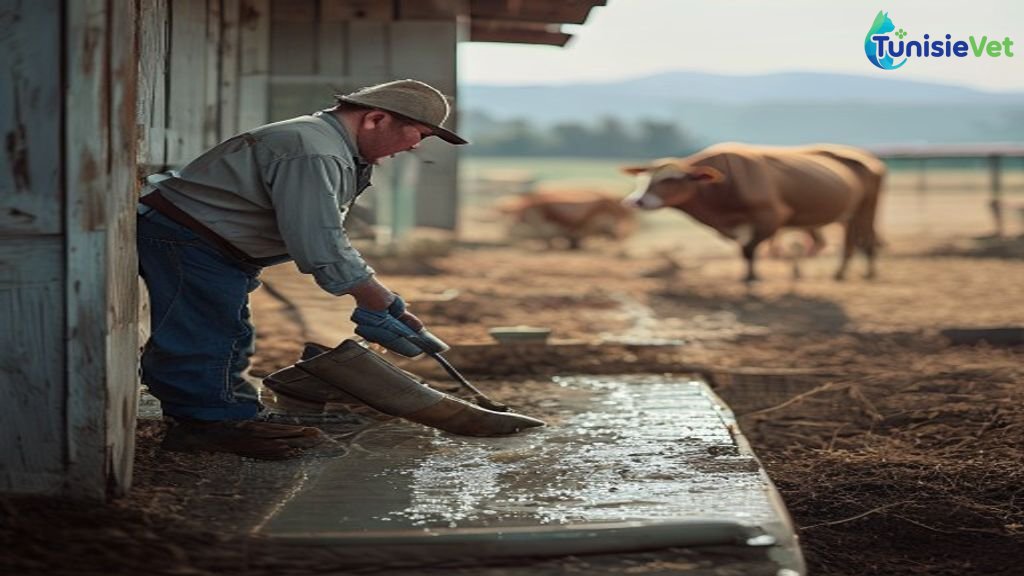
Farm biosecurity is the set of simple measures that prevent diseases from entering and spreading on a farm. Whether you raise cattle, sheep, goats or poultry, protecting your herd doesn't require sophisticated tools: a few strict habits, applied every single day, are enough to greatly reduce health risks and the economic losses that come with them.
Why biosecurity is a farm's first line of defense
A disease that enters a herd often spreads far faster than it can be treated. Pathogens travel through newly introduced animals, but also through people, vehicles, equipment, rodents or wild birds. Prevention remains far more effective and far cheaper than treatment for protecting a herd over the long run, since some diseases leave lasting effects on production even after the animal has recovered.
Quarantine: a step you should never skip
Every new animal brought onto the farm — whether purchased, borrowed for breeding, or returning from a show or seasonal grazing — should be isolated before joining the rest of the herd.
- Set up a separate space, away from the other animals, with its own feeding and cleaning equipment.
- Watch the animal closely during the isolation period: appetite, behavior, stool condition, and any signs of coughing, lameness or skin lesions.
- Only introduce the animal to the rest of the herd once it shows good overall condition and, ideally, after a veterinary check-up.
- Apply the same caution to any animal returning from a gathering, such as a fair, market or show.
Barn and equipment hygiene: the foundation of prevention
A clean, dry environment sharply limits how long pathogens survive and how easily parasites develop.
Daily good habits
- Clean and disinfect feeders, waterers and bedding on a regular basis.
- Remove manure and waste well away from the animals' living areas.
- Ensure good ventilation in barns to prevent stagnant humidity, a major factor behind respiratory infections.
- Keep equipment used for sick animals separate from that used for healthy ones, or disinfect it thoroughly between uses.
- Control rodents and insects, common carriers of disease.
Managing water and feed
Clean, fresh water available at all times, along with feed stored away from moisture and pests, reduces the risk of digestive contamination. During periods of intense heat, easy access to cool water remains a basic need for every farm animal.
Controlling farm access to limit disease spread
Visitors, technicians, delivery drivers and vehicles are an often-underestimated entry point for infectious agents.
- Limit visits to people who are genuinely necessary for the farm's operations.
- Provide clean boots or shoe covers, plus a handwashing station, at the entrance to animal areas.
- Disinfect the wheels of vehicles entering the farm whenever possible.
- Prevent visitors who have recently been on other farms from approaching your animals directly without taking precautions.
- Keep a simple log of visits and animal movements, which is valuable if disease is ever suspected.
Watching your herd every day
Biosecurity isn't limited to entry controls: it also relies on close, regular observation of the animals themselves.
- Check the herd's behavior, appetite and general appearance every day.
- Quickly isolate any animal showing unusual signs, such as lethargy, diarrhea, coughing, discharge or lameness.
- Follow the recommended vaccination and deworming schedule for the species concerned.
- Call in a professional without delay whenever something seems off, before the situation worsens or spreads.
Regular veterinary support helps tailor these measures to each farm's specific situation, herd size and local climate conditions. For any questions or to set up a tailored prevention plan, it's a good idea to check the directory of veterinarians specializing in livestock to find a professional near your farm.
What is the most important biosecurity measure on a farm?
Quarantining every new animal remains the single most decisive measure, since it's the main entry point for infectious diseases in a herd. Combined with good daily hygiene and visitor control, it forms an effective protection foundation that's accessible to farms of any size.
Leave a comment
Be the first to comment on this article.