
Farm Biosecurity: Simple Steps That Protect Your Whole Herd
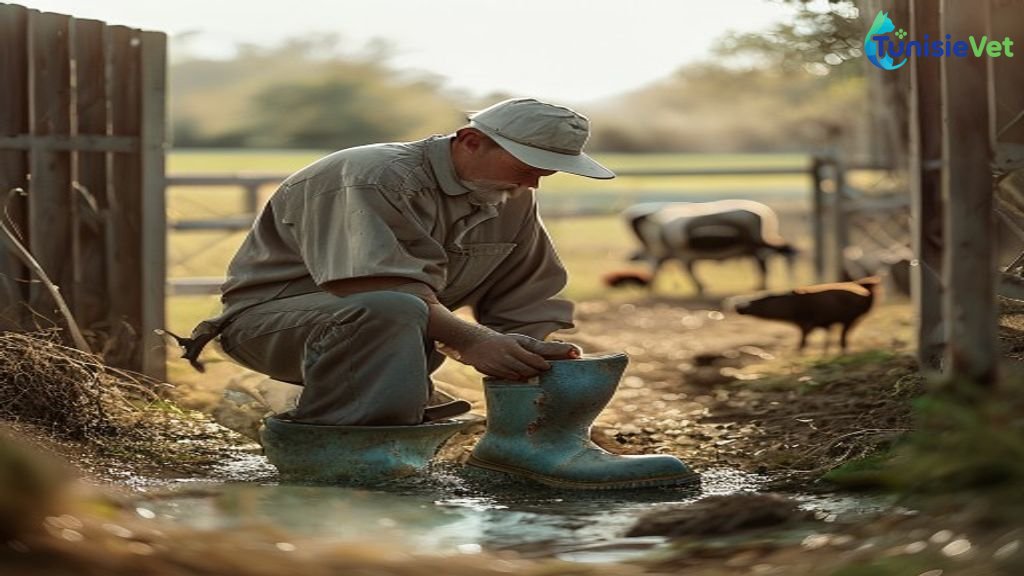
Farm biosecurity covers the simple, everyday measures that keep diseases from entering and spreading through a farm. Whether you raise cattle, sheep, goats, chickens or horses, protecting your herd relies far more on daily habits than on expensive equipment. It's often the small actions repeated day after day that make the difference between a healthy herd and a farm plagued by recurring outbreaks.
Building a disease prevention routine on the farm doesn't mean overhauling your entire operation: it mainly means limiting risky contact, keeping a close eye on the animals, and maintaining a clean environment. Here are the key pillars every farmer should know.
Why biosecurity is the herd's first line of defense
A single sick animal can infect an entire herd before the first symptoms even appear. Biosecurity works upstream: it aims to keep pathogens (viruses, bacteria, parasites) from entering the farm in the first place, rather than treating disease once it has already taken hold. It's a preventive, cost-effective and sustainable approach that applies to farms of every size, from a small family herd to a large commercial operation.
Main routes of contamination
- Introducing new animals without proper checks
- Visitors, vehicles and equipment shared between farms
- Contaminated water, feed or bedding
- Pests, wild birds and stray animals
- Unwashed boots, clothing or hands
Quarantine: a step you can't skip
Every new animal, whether bought, borrowed or taken in, should go through an isolation period before joining the rest of the herd. This quarantine allows you to observe its overall health, catch any early signs of illness, and prevent a pathogen from spreading silently.
- Isolate the newcomer in a separate space, with its own equipment (buckets, bedding, tools)
- Check its behavior, appetite and general condition daily
- Wait through a sufficient observation period before allowing any contact with the rest of the herd
- Have the animal examined by a professional before it's fully introduced
The same logic applies to any animal returning from a show, market or gathering: it may have been exposed to outside germs.
Daily hygiene: the foundation of prevention
Hygiene is the backbone of biosecurity. It reduces the pathogen load in the environment and lowers the risk of transmission between animals.
Essential habits to build into your routine
- Clean and disinfect shelters, feeders and water troughs regularly
- Change bedding often to prevent damp conditions and bacterial growth
- Ensure good ventilation in buildings to limit respiratory diseases
- Provide clean, fresh water at all times
- Remove manure and carcasses promptly, following proper disposal practices
- Control pests (rodents, insects) that can carry infectious agents
Washing your hands and changing clothes or boots between groups of animals, especially if one is sick, is a simple habit that goes a long way.
Controlling visitors and traffic on the farm
Outside visitors (vets, delivery drivers, other farmers, occasional guests) can unknowingly carry germs from one farm to another on their boots, clothes or vehicles.
- Restrict access to livestock areas to only those who truly need to be there
- Set up a foot bath or boot-disinfection area at the entrance
- Provide clean coveralls or shoe covers for visitors
- Avoid sharing equipment (tools, transport crates) between farms without disinfecting it first
- Keep a simple log of visits and animal movements
Keeping a daily eye on the herd
Biosecurity doesn't stop at the farm gate: careful, regular observation of your animals helps you catch any unusual change early, such as loss of appetite, isolation from the group, limping, coughing or diarrhea. The sooner a problem is spotted, the easier it is to contain and treat before it spreads to the rest of the herd.
Whenever something seems off, it's important to consult a professional quickly rather than wait for things to get worse. A directory of veterinarians can help you quickly find a qualified practitioner for a reliable diagnosis and advice tailored to your farm.
What's the single most important biosecurity measure?
If you could only remember one thing, it would be this: always quarantine new animals. It's the first barrier against introducing disease and lets you act before a problem can affect the whole herd. Combined with good hygiene and reasonable control over visitors, it forms a solid prevention foundation suited to any type of farm.
Leave a comment
Be the first to comment on this article.