
Farm Biosecurity: Simple Habits That Protect Your Whole Herd
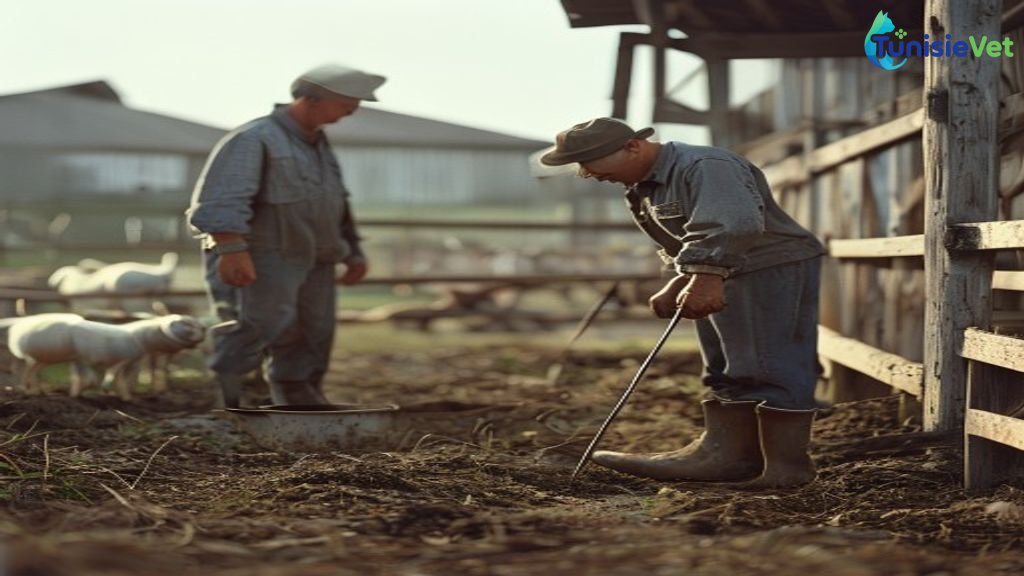
Farm biosecurity covers the simple, everyday measures that prevent diseases from entering and spreading through a farm. Whether you keep a few chickens, a herd of goats, or dairy cows, protecting your livestock doesn't require expensive equipment—it mostly comes down to consistent, disciplined habits. These small daily routines, often overlooked, make all the difference between a resilient farm and one left vulnerable to outbreaks.
Why Biosecurity Is Your Farm's First Line of Defense
A pathogen (virus, bacteria, or parasite) can enter a farm in many ways: a newly purchased animal, a visitor, borrowed equipment, contaminated water, or even pests. Once introduced, disease can spread quickly, leading to economic losses, mortality, and animal suffering. Preventing disease on the farm is always cheaper than treating a full-blown outbreak. Adopting a biosecurity approach means investing in the long-term viability of your operation and in the welfare of your animals.
Quarantine: A Step You Should Never Skip
Every new animal, whether it comes from a market, another farm, or a donation, should be isolated before joining the existing herd or flock.
- Set up a separate space with dedicated equipment (buckets, bedding, tools) that isn't shared with other animals.
- Watch the animal closely during a sufficient quarantine period to spot any signs of illness (coughing, diarrhea, loss of appetite, lameness).
- Have the newcomer examined by a veterinarian before mixing it with the rest of the group.
- Apply the same rule to animals returning from a show, competition, or group transport.
This simple precaution prevents an animal that looks healthy but carries an asymptomatic infection from contaminating an entire group.
Hygiene and Disinfection: The Basics of Protecting Your Herd
Clean Before You Disinfect
A disinfectant only works on a surface that has first been cleared of organic matter (manure, dust, feed residue). Mechanical cleaning is therefore always the essential first step before disinfecting buildings, feeders, and waterers.
Managing Water, Feed, and Waste
- Provide clean water that's changed regularly, since dirty water is a major route of disease transmission.
- Store feed away from moisture and rodents, which can contaminate supplies.
- Remove manure and used bedding regularly, keeping it well away from housing areas and water points.
- Clean and disinfect birthing or hatching areas, which are especially sensitive.
Isolate Sick Animals
As soon as an animal shows suspicious signs, it should be isolated immediately, closely monitored, and given its own equipment, while awaiting a professional's assessment.
Controlling Traffic: Visitors, Vehicles, and Equipment
People and vehicles moving between farms are one of the main ways diseases spread from one operation to another.
- Limit access to livestock areas to only those who truly need to be there.
- Provide dedicated boots or shoe covers, along with a handwashing or disinfection station at the entrance.
- Avoid sharing equipment (tools, transport crates, shearing tools) between farms without cleaning it first.
- Disinfect the wheels and surfaces of vehicles that need to enter the livestock area.
- Keep a simple visitor log, which can be useful for tracing a potential source of contamination.
These easy-to-implement measures significantly reduce the risk of pathogens being introduced from outside.
Other Essential Daily Practices
- Control pests (rodents, insects) that can carry disease.
- Avoid direct contact between your livestock and wild or stray animals.
- Follow the recommended vaccination and deworming schedule for each species.
- Check animals' behavior, appetite, and general condition daily to catch any changes early.
- Train everyone working on the farm in basic hygiene and biosecurity rules.
If you're unsure about an animal's health or want to set up a biosecurity protocol tailored to your farm, it's best to consult a professional through the directory of veterinarians specializing in livestock, who can assess the specific risks on your farm and support you over the long term.
Should Small Backyard Farms Practice Biosecurity Too?
Yes: herd size doesn't reduce disease risk. Even a handful of chickens or goats can be affected by outside contamination. Basic measures (quarantine, hygiene, visitor control) remain just as useful and just as quick to apply, no matter the scale of your operation.
Leave a comment
Be the first to comment on this article.